Requirements engineering helps me turn vague ideas into useful IT systems. I use it to clarify business needs, stakeholder expectations, technical constraints, and project goals. Therefore, I do not treat requirements engineering as simple documentation. I treat it as the foundation for better decisions, better communication, and better software.
In this guide, I explain the nautre of requirements and requirements engineering. I show why clear requirements matter before a team designs, builds, tests, or improves a system. In addition, I connect the main activities of requirements engineering with practical topics such as elicitation, stakeholder communication, documentation, validation, conflict resolution, and requirements management.
Requirements engineering starts when I ask the right questions. However, it also requires structure, empathy, technical thinking, and business understanding. I need to understand people, goals, conflicts, documents, existing systems, and business rules. As a result, requirements engineering helps me reduce uncertainty before expensive mistakes appear

Requirements Elicitation
Every successful IT system starts with discovery. Before I define a solution, I need to understand the problem, the people, and the expected value. Therefore, requirements elicitation gives my early discovery work a clear structure.
I use requirements elicitation to discover what stakeholders need, expect, fear, and value. A good starting point is Requirements Elicitation Techniques: Choosing the Right Method for Stakeholder Needs, because the right technique helps me collect better information from the right people. However, technique alone does not create clarity. I also need to understand Why Stakeholder Communication Is Important in Making Software, because weak communication can turn good ideas into unclear requirements. For the broader context, I use The Importance of Requirements Engineering in IT Systems as the central starting point for understanding why elicitation matters in IT projects.
Good requirements work depends on the right people. If I miss an important stakeholder, I may also miss an important requirement. Therefore, I identify stakeholders early and systematically.
Before I write useful requirements, I need to understand who matters and what matters. Therefore, I look at Understanding Requirements: Who and What Matters and connect it with Stakeholders in Requirements Engineering and Their Role. Both topics help me identify the people who influence, use, approve, or depend on a system. I also use Project Stakeholders Analysis in Project Management when I want to connect stakeholder identification with a wider project management perspective.

Project Perspective
After I identify stakeholders, I need to understand them in more detail. Different user groups often have different goals, skills, frustrations, and work habits. Therefore, I use structured models to make these differences visible and easier to discuss.
Stakeholders are not abstract roles. They are real people with goals, habits, problems, and expectations. For this reason, I use Personas in Requirements Engineering and IT business analysis to make user groups easier to understand. After that, Stakeholder Lists in the Requirements Engineering of Complex Projects helps me keep complex stakeholder environments structured.
A project perspective also helps me see the bigger picture. Requirements do not exist in isolation. Instead, they belong to goals, roles, budgets, risks, schedules, and decisions. As a result, stakeholder work becomes more useful when I connect it with project analysis and project communication.
Communications
Communication shapes the quality of every elicitation activity. Even strong methods fail when people misunderstand each other. Therefore, I need trust, active listening, clear questions, and a shared language.
I use communication to create clarity before I document requirements. Requirements elicitation also depends on trust and clear interaction. Therefore, I connect this topic with Effective Communication in Requirements Engineering for Successful Projects. Good communication helps me ask better questions, listen more carefully, and clarify hidden assumptions.

System Development
Requirements can come from many different places. Interviews and workshops matter, but they do not provide the full picture. Therefore, I also analyze existing systems, process descriptions, policies, and legal rules.
Not every requirement comes directly from a conversation. Sometimes I need to study how a current system works, where it fails, and which business rules it already supports. Therefore, Requirements Determination from Existing Systems: A Key to Successful Software Development helps me use current systems as a source of knowledge. In the same way, Requirements Identification with Process Documents: A Step-by-Step Guide to System Integration shows how process documents can reveal important system needs. In regulated environments, Legal and Regulatory Documents in Requirements Engineering for System Development becomes especially important because legal constraints can directly shape requirements.
This approach helps me avoid a common mistake. I do not only ask stakeholders what they want. Instead, I compare stakeholder statements with real processes, existing tools, documents, and constraints. As a result, I can discover requirements that people may forget to mention.
A requirement is only as reliable as the source behind it. Therefore, I need to know where information comes from and how much I can trust it. Strong source awareness helps me compare statements, detect gaps, and resolve contradictions.
Requirements sources deserve special attention. I use Understanding the Importance of Requirements Sources in Computer Science to explain where requirements can come from and why source quality matters. In addition, Involved Requirements Sources in Requirements Conflicts helps me understand why different sources can produce different expectations. As a result, I can compare sources more carefully and avoid weak decisions.

Elicitation Activities, Objectives and Categorization
Elicitation should not happen by accident. Before I invite stakeholders, choose methods, or analyze information, I need a clear purpose. Clear objectives help me focus each activity and avoid wasting time.
I define what I want to learn before I start. Elicitation also needs planning. I use Unveiling the Essence of Elicitation Objectives in Requirements Engineering to explain why clear objectives improve the whole requirements process. Then I connect this planning view with Maximizing the Impact of Elicitation Activities in Technical Projects, because elicitation takes time, people, budget, and coordination. In larger projects, Navigating Software Project Estimation and Requirements Elicitation helps me connect early requirements work with better estimation.
Good planning also protects the project from uncontrolled discovery. I do not want endless conversations without direction. Instead, I want focused sessions that produce useful insights, open questions, decisions, and next steps.
Elicitation creates raw material for the rest of requirements engineering. After I discover requirements, I need to classify, refine, prioritize, and manage them. Otherwise, useful insights can become an unstructured collection of statements.
Requirements need structure after discovery. Finally, requirements do not stay isolated. They need categories, attributes, priorities, and ownership. That is why Requirements Categories in Requirements Management connects elicitation with requirements management. It helps me sort requirements after I discover them. As a result, this requirements engineering hub connects discovery, communication, conflict resolution, technical analysis, and management into one clear knowledge path.
Elicitation Management
Good elicitation is investigative work. I do not only collect statements. Instead, I compare information, check assumptions, and look for deeper patterns behind visible needs.
Good elicitation often feels like research. That is why Eliciting Requirements A Lot Like Doing Research fits naturally into this topic. I collect information, compare statements, test assumptions, and look for patterns. In technical environments, Understanding the Importance of Requirements Elicitation in Tech Projects explains why this work matters before development starts.
Elicitation management helps me turn discovery into progress. I plan activities, involve the right people, document findings, and follow up on open points. Therefore, I do not treat elicitation as one meeting. I treat it as a controlled process that supports better project decisions.
In technical projects, this discipline matters even more. Small misunderstandings can create wrong designs, wrong estimates, and wrong implementation decisions. Consequently, I use elicitation management to reduce risk early.
Elicitation Conflicts
Conflicts are normal in requirements engineering. Different stakeholders often see the same system from different perspectives. Therefore, conflict does not always indicate failure. It can also reveal hidden priorities, risks, and constraints.
Conflicts appear when stakeholders want different things, when constraints collide, or when requirements compete for priority. Therefore, I use Conflict Resolution in Requirements Engineering: How to Resolve Conflicting Requirements to structure the conflict itself. Then helps me choose practical ways to move forward.
I do not ignore conflicts. Instead, I use them as signals. A conflict often shows that a requirement needs more analysis, a stakeholder goal needs clarification, or a decision needs stronger justification.
A conflict should not only end. It should end with a clear result. For this reason, What is an Achieved Resolution Result in Requirements Engineering? helps me define what a resolved conflict actually means.


Elicitation Presentation
Elicitation also depends on how clearly I present information. Stakeholders need to understand the topic before they can give useful feedback. Strong presentation and argumentation skills can make complex requirements easier to discuss.
Requirements elicitation benefits from communication skills and presentation skills. I use Elicitation Through Effective Presentation: Insights from a Requirements Engineer when I want to explain how presentation supports discovery and alignment. In the same context, Mastering Argumentation: A Requirements Engineer’s Guide helps me build stronger reasoning during discussions.
Presentation does not only mean slides. It also means how I structure information, explain trade-offs, visualize problems, and guide discussions. Therefore, I present requirements work in a way that helps stakeholders think, compare, and decide.
In addition, strong argumentation helps me defend requirements with evidence. I can explain why a requirement matters, where it comes from, and which goal it supports. As a result, stakeholders can discuss requirements more objectively.
Elicitation and Human Action
Human behavior influences requirements work. People may resist change, hide concerns, misunderstand each other, or defend their own interests. Therefore, I need empathy, observation, and persuasion skills in addition to technical knowledge.
Some elicitation challenges are deeply human. Therefore, Decoding Conflict: 3 Strategies for Body Language Mastery in Requirements Engineering helps me observe nonverbal signals in difficult conversations. Mastering Compatibility: A Requirements Engineer’s Guide to Stakeholder Persuasion helps me adapt my communication to different stakeholder types. In addition, Leveraging Erikson’s Epigenetic Principle for Stakeholder Solutions adds a people-focused perspective to stakeholder work.
This human side of requirements engineering matters because systems change how people work. A new IT system can affect tasks, responsibilities, habits, and power structures. Consequently, I need to understand not only what stakeholders say, but also why they react in certain ways.
When I combine empathy with structure, I can create better conversations. I can reduce resistance, uncover concerns, and support more honest feedback. As a result, elicitation becomes more useful and more respectful.


Requirements Management
Requirements management helps me guide requirements with structure, responsibility, and clear decisions. I use it to connect business goals, stakeholder needs, project constraints, and IT direction. Therefore, I do not treat requirements as a loose collection of wishes. Instead, I manage them as valuable decision material for better projects and stronger systems.
Requirements Management Foundation
I start with Unlocking the Power of Requirements Management because it gives me the broad foundation. It helps me understand why requirements need structure, ownership, and continuous attention. In addition, it shows how requirements management creates order in complex projects.
Clear goals help me manage requirements with purpose. For example, I want clarity, traceability, consistency, prioritization, and controlled change. Therefore, I define the direction before I choose methods or tools. I also use Requirements Categories in Requirements Management early in this path. Categories help me sort requirements into useful groups. As a result, I can guide discussions with more focus and reduce confusion.

Requirements Management Activities and Tasks
Requirements management needs practical work. Therefore, I use Mastering Requirements Management Activities to understand the main activities. These activities help me organize requirements, clarify open questions, align stakeholders, and support decisions.
I do not wait until requirements become chaotic. Instead, I create routines that keep the requirements base useful, current, and ready for discussion.
Prioritization and Stakeholder Responsibility
Requirements often compete for time, budget, and attention. Therefore, I use Prioritization Techniques for Requirements Management in Software Projects to support better decisions. Prioritization helps me decide what matters first.
This topic also helps me explain decisions clearly. For example, I can compare value, urgency, risk, effort, and stakeholder impact. As a result, I can make priorities more transparent.


Requirements Documentation and Presentation
Requirements need clear presentation. Otherwise, stakeholders may misunderstand them. Therefore, I use Forms of Documenting Requirements Presentation to compare different ways of showing requirements.
This topic helps me choose a suitable format. For example, I can use text, tables, diagrams, models, or structured requirement entries. However, I always choose the form based on the audience and the decision.
Good presentation also supports management work. It helps me show priorities, open issues, responsibilities, and risks. As a result, stakeholders can review requirements faster and make better decisions.
Requirements Attributes and Attribute Schemas
Requirements attributes help me manage important information around each requirement. Therefore, I use Attributes in Requirements Management Activities as a starting point. Attributes help me compare, filter, prioritize, assign, and monitor requirements.
Then I continue with What Is a Requirements Attribute Schema? This topic helps me define which information each requirement should contain. It also helps me keep requirement data consistent.
An attribute schema gives my requirements work more discipline. For example, I can define attributes for status, owner, source, priority, risk, and release. Consequently, I can manage requirements with more transparency and less guesswork.
Requirements Management and Project Performance
Requirements management strongly affects project performance. Therefore, I use Improving Project Costs: A Guide to Better Project Management to connect requirements quality with cost control. Weak requirements can create rework, delays, and wrong solutions. Better requirements management helps me reduce these risks early. It also supports better estimation and planning. As a result, I can protect budget and schedule before problems grow.
I also connect this view with IT Management Practices for Business Success. Requirements do not only describe software features. They also connect business needs with IT decisions. Therefore, strong IT management helps me turn requirements into useful business results.
In the same context, IT Business Management: A Key to Driving Organizational Success helps me see requirements from a wider management perspective. I use this topic when I want to connect requirements with value, strategy, resources, and organizational outcomes.

IT Direction, Values, and Customer Value
Requirements management needs direction, judgment, and trust. Therefore, I use The Evolving Role of IT Leadership to understand how IT decision-makers guide change. Modern IT work connects technology, people, strategy, and measurable value. This topic matters because requirements often trigger important decisions. They can change processes, tools, responsibilities, and customer experiences. As a result, decision-makers need clear requirements to guide action.
When I combine requirements management with responsibility, direction, and business thinking, I create stronger alignment. I connect goals, stakeholders, technical decisions, and customer value. As a result, requirements management becomes more than administration. It becomes a practical way to guide successful IT work.

Requirements Validation
Requirements validation helps me check whether requirements describe the right thing. Therefore, I do not wait until development ends. I validate requirements early, often, and with the right people. As a result, I reduce misunderstandings before they become expensive defects.
Requirements Validation Foundation
Requirements validation gives me the basic reason behind validation. It helps me understand why correct wording alone does not create useful requirements. Instead, I need requirements that support real stakeholder goals.
Then I continue with Understanding Result Quality in Requirements Engineering. Result quality helps me look at the outcome of requirements work. I do not only ask whether a requirement exists. I ask whether it creates clarity, supports decisions, and reduces project risk.
This foundation matters because validation protects the project before implementation starts.A team can build a system correctly and still build the wrong system. Therefore, I use validation to check value, meaning, completeness, and shared understanding.


Requirements Verification and Validation
Validation and verification belong together. However, they answer different questions. Therefore, I use Requirements Verification and Validation to understand both perspectives in one place.
Verification helps me check whether requirements follow rules, standards, and quality criteria. Validation helps me check whether requirements match real needs and expectations.
Requirements Verification and Validation
Validation and verification belong together. However, they answer different questions. Therefore, I use Requirements Verification and Validation to understand both perspectives in one place.
I also use The Difference Between Requirements Verification and Validation when I need a clearer distinction. Verification helps me check whether requirements follow rules, standards, and quality criteria. Validation helps me check whether requirements match real needs and expectations.

Requirements Validation Techniques
Validation needs suitable techniques. Therefore, I use Requirements Validation Techniques: Ensuring System Success to compare practical validation methods. This topic helps me choose techniques based on risk, complexity, stakeholder access, and project phase.
Different techniques reveal different problems. For example, reviews can find unclear wording. Prototypes can reveal wrong assumptions. Models can expose missing logic. Testing ideas can uncover weak acceptance criteria.
Consequently, I do not rely on one validation method only. I combine techniques when the project needs deeper confidence. As a result, I create a stronger requirements base before the team builds the solution.
Requirements Validation Techniques
Validation needs suitable techniques. Therefore, I use Requirements Validation Techniques: Ensuring System Success to compare practical validation methods. This topic helps me choose techniques based on risk, complexity, stakeholder access, and project phase.
Different techniques reveal different problems. For example, reviews can find unclear wording. Prototypes can reveal wrong assumptions. Models can expose missing logic. Testing ideas can uncover weak acceptance criteria.
Consequently, I do not rely on one validation method only. I combine techniques when the project needs deeper confidence. As a result, I create a stronger requirements base before the team builds the solution.

Requirements Inspections and Reviews
Structured reviews help me find defects early. Therefore, I use Requirements Inspections: A Crucial Step for High-Quality Software Development. This topic shows how inspections improve requirements before development work begins.
An inspection gives validation a clear process. I can prepare the review, involve the right people, collect findings, and document decisions. In addition, inspections help me separate personal opinions from quality criteria.
This matters because many requirement problems hide in simple sentences. A missing actor, unclear condition, or vague term can create serious confusion. Therefore, I use inspections to improve precision before implementation starts.
Viewpoint Oriented Requirements Validation
Stakeholders often see the same requirement from different angles. Therefore, I use Clarity with Viewpoint Oriented Requirement Validation. This topic helps me validate requirements through different stakeholder viewpoints.
A user may focus on daily work. A manager may focus on cost, control, and reporting. A developer may focus on technical feasibility. Meanwhile, a tester may focus on observable behavior and acceptance criteria.
Viewpoint oriented validation helps me bring these perspectives together. As a result, I can detect conflicts, missing details, and hidden assumptions earlier. Therefore, this approach strengthens both communication and requirement quality.
Prototyping for Validation
Some requirements stay unclear until stakeholders see something concrete. Therefore, I use Prototyping for Validation: Unlocking Better Requirements. Prototypes help me turn abstract ideas into visible feedback.
A prototype can show screens, workflows, interactions, or process ideas. It does not need to represent the final system. Instead, it helps stakeholders react, compare, and clarify expectations.
This technique works especially well when stakeholders struggle to describe their needs. They can point to a screen and explain what fits. They can also explain what feels wrong. As a result, prototyping improves shared understanding.

Testing Based Requirement Validation
Testing ideas can also validate requirements early. Therefore, I use Testing Based Requirement Validation: Catching Defects Early for Success. This topic helps me connect requirements with acceptance criteria and test thinking.
When I think like a tester, I ask concrete questions. How can I observe this requirement? Which result should appear? Which input matters? Which exception should the system handle?
These questions reveal weak requirements quickly. For example, vague words often fail when I try to test them. Therefore, testing based validation helps me make requirements more precise and useful.
Model Based Requirements Validation
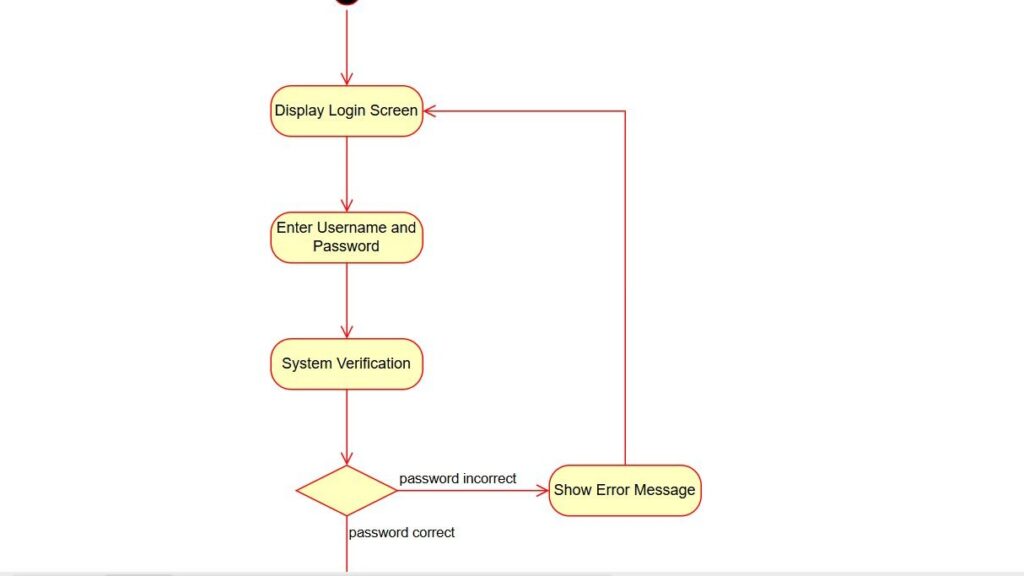
Models help me validate structure, logic, and behavior. Therefore, I use Model Based Requirements Validation: Ensuring Software Quality with Precision. This topic helps me check requirements with diagrams, process models, and system models.
A model can show flows, decisions, states, data, roles, and dependencies. As a result, it can reveal problems that plain text may hide. For example, a missing path in a model can expose a missing requirement.
Model based validation also supports discussion. Stakeholders can often understand a visual structure faster than a long document. Therefore, I use models to create clarity and improve feedback quality.
Feature Oriented Requirements Validation
Features connect requirements with visible system value. Therefore, I use Feature Oriented Requirements Validation: A Complete Guide. This topic helps me validate requirements from the feature perspective.
A feature should support a real user need or business goal. Therefore, I check whether the related requirements describe useful behavior. I also check whether they fit together and support one clear outcome.
Feature oriented validation helps me avoid isolated requirement thinking. I do not only validate single statements. Instead, I validate whether a feature makes sense as a coherent part of the system.

Requirements Validation in Distributed Teams
Distributed teams create special validation challenges. Therefore, I use Challenges in Checking Requirements for Projects with Distributed Development Teams. This topic helps me understand distance, time zones, culture, tools, and communication gaps.
Remote validation needs clear preparation. I need better documentation, clearer meeting goals, and stronger follow-up. In addition, I need visible decisions because informal clarification becomes harder.
However, distributed teams can still validate requirements well. They need structure, discipline, and shared understanding. As a result, validation becomes a bridge between locations, roles, and expectations.
Requirements Validation as a Quality Gate
Requirements validation gives me confidence before development creates costly results. It helps me check whether requirements are understandable, useful, complete, and aligned with real needs. Therefore, I treat validation as a central quality activity in requirements engineering.
When I combine checks, reviews, prototypes, models, test thinking, viewpoints, and feature analysis, I get stronger feedback. In addition, I can use Confluence and structured collaboration to make validation visible. As a result, requirements validation helps me build better systems with fewer misunderstandings.
Software Testing
Software testing helps me check whether software works as expected. It also helps me find risks before users find them. Therefore, I treat software testing as a core part of requirements engineering. As a result, I connect requirements, defects, test activities, debugging, and test management.

Software Testing Foundation
I start with Why Test Software: A Practical Guide to Better Code. This topic gives me the basic reason behind software testing. It helps me understand why software quality needs active checking.
This foundation matters because software rarely fails without a reason. Requirements may stay unclear. Developers may misunderstand behavior. Users may expect different results. Therefore, testing helps me discover gaps between expectation and reality.
Software Defects, Bugs, and Debugging
Defects often begin long before developers write code. Therefore, I use Why Software Bugs Happen – And What We Can Do About It. This article helps me understand typical bug causes. For example, bugs can come from complexity, time pressure, missing feedback, or changing requirements.
After that, I continue with What is Debugging in Software Testing? Debugging helps me analyze defects after I find them. However, I do not confuse testing with debugging. Testing reveals problems, while debugging helps me understand and remove their causes.

Software Testing Process and Activities
Testing needs a clear process. Therefore, I use Software Testing Process: A Complete Guide as a practical starting point. This topic helps me structure testing from planning to evaluation.
I also use Test Activities in Software Development. This article helps me understand the practical work behind testing. For example, I can plan tests, design test cases, execute checks, report defects, and review results.
A process view helps me avoid random testing. Instead, I test with purpose, order, and traceability. As a result, I can connect test work with requirements, risks, features, and acceptance criteria.
Test Management and Test Concepts
Testing also needs management. Therefore, I use What Is Test Management? A Clear Guide for Modern Software Teams. This topic helps me organize people, tasks, risks, environments, and test goals.
Then I continue with The Complete Test Concept Guide. A test concept helps me define the testing approach. It also helps me explain what I want to test, why I test it, and how I measure results.
Good test management creates transparency. It helps me coordinate testing across roles and project phases. In addition, it helps me control scope, priorities, defects, and reporting. As a result, testing becomes easier to plan, discuss, and improve.
Limitations of Software Testing
Testing creates confidence, but it cannot prove perfection. Therefore, I use Limitations of Software Testing. This topic helps me understand what testing can and cannot achieve.
I cannot test every possible input, path, device, and user situation. In addition, some defects only appear under special conditions. Therefore, I need risk-based thinking and clear priorities.
This limitation does not make testing weak. Instead, it makes testing more realistic. I use testing to reduce uncertainty, not to promise absolute certainty. As a result, I combine testing with good requirements, reviews, validation, and strong communication.
Testing Approaches in Different Project Models
Projects do not all follow the same method. Therefore, I use Waterfall vs. Agile Testing: Which One Fits Your Project Best? This topic helps me compare testing in sequential and iterative environments.
In waterfall projects, I often test later and with stronger phase boundaries. In agile projects, I test earlier and more continuously. However, both approaches still need clear requirements, useful feedback, and disciplined quality work.
This comparison helps me choose suitable testing habits. I do not copy one method blindly. Instead, I match testing with project risk, team structure, delivery rhythm, and stakeholder expectations.
Software Testing as a Bridge to Better Requirements
Software testing connects requirements with observable behavior. It asks what the system should do. It also asks how I can check the expected result. Therefore, testing helps me turn vague expectations into clearer quality questions.
When I understand defects, debugging, processes, test activities, and test management, I improve my requirements work. I can write better acceptance criteria. I can also detect unclear wording earlier.
As a result, software testing becomes more than a final control step. It becomes a learning system for the whole project. It helps me build better software because it connects requirements, implementation, feedback, and improvement.

Documentation
Documentation helps me turn requirements work into shared knowledge. I use it to record decisions, explain context, and support future change. Good documentation makes requirements easier to understand, review, validate, and manage. Therefore, I treat documentation as a central part of requirements engineering.
In this section, I divide documentation into two connected perspectives. First, I look at requirements documentation itself. Then I use process management as a method for better requirements documentation. This structure helps me connect written requirements with real business workflows.
Requirements Documentation
I start with The Importance of Requirements Engineering in IT Systems. This article gives me the wider foundation for documentation. Requirements documentation only creates value when it supports better IT systems.
Clear documentation does not only collect statements. Instead, it explains why a system should exist. It also shows which business needs, stakeholder expectations, and constraints matter. As a result, documentation becomes decision support, not paperwork.
This foundation helps me avoid isolated requirement lists. I connect each requirement with goals, people, processes, and value. Therefore, I can explain why a requirement matters. Strong documentation gives every requirement a meaningful context.
Getting the Right Content for Requirements Documentation
Next, I use Getting What We Need for Challenging Software Development. This article helps me focus on the input side of documentation. Good documentation starts before I write the requirement.
In challenging software development, teams often face unclear goals, changing expectations, and complex stakeholder needs. Therefore, I need to ask better questions. I also need to understand what information really matters before I document it.
This topic helps me avoid weak or incomplete requirements. Instead, I focus on useful information that supports design, development, testing, and decision-making. As a result, my requirements documentation becomes more reliable and practical.
Best Practices for Agile Requirements Documentation
After that, I use Best Practices for Documenting Requirements in Agile Development. This article helps me connect documentation with agile ways of working. Agile documentation should stay useful, lightweight, and adaptable.
I do not document everything in advance. Instead, I document what the team needs to understand, discuss, build, and validate the next valuable step. Therefore, good agile documentation supports collaboration without slowing the team down.
This topic also helps me balance clarity and flexibility. Requirements can change during agile development. However, the team still needs shared understanding. Clear documentation helps me keep that understanding visible, even when priorities evolve.

Documented Information and Quality Standards
After that, I use Guidance on ISO 9001:2015 | Simplifying Documented Information. This topic helps me understand documentation from a quality perspective. Documented information should support control, clarity, and repeatable work.
ISO 9001:2015 also helps me think about usefulness. I do not document everything only because it exists. Instead, I document what people need to understand, perform, review, and improve work. Therefore, useful documentation reduces confusion instead of creating bureaucracy.
This view fits requirements engineering very well. Requirements need enough detail to guide decisions. However, they should not become too complex to use. Good documented information stays clear, relevant, and easy to maintain.
Legal and Regulatory Requirements Documentation
Next, I use Legal and Regulatory Documents in Requirements Engineering for System Development. This article helps me document constraints that teams cannot ignore. Legal and regulatory documents often define important boundaries for a system.
These documents can influence security, privacy, accessibility, reporting, data handling, and industry-specific rules. Therefore, I need to connect them clearly with the requirements. Otherwise, teams may miss obligations that affect design, testing, and acceptance.
This topic helps me treat compliance as part of requirements work. I do not separate legal and regulatory input from system development. Instead, I document it in a way that teams can understand and use. As a result, requirements documentation supports both delivery and responsibility.
Requirements Documentation as Shared Knowledge
Requirements documentation should help people act. It should explain what the system must support. It should also explain why the requirement exists. Shared documentation helps teams make better decisions with less uncertainty.
I therefore combine structure, quality thinking, mental models, and communication awareness. This combination improves the way I capture requirements. It also improves how I present them later. As a result, documentation becomes a bridge between discovery and delivery.
Process Management as a Methodology for Requirements Documentation
Process Management as Documentation Method
Process management gives documentation a practical backbone. I use it to describe how work happens before I define system behavior. Processes help me document requirements through real activities, roles, decisions, and outcomes.
This perspective starts with What is a Process? The Backbone of Business Operations. A process shows how people create value through ordered work. Therefore, it gives requirements documentation a concrete business context. When I understand the process, I understand the system need more clearly.
A process also helps me find missing requirements. I can follow each step and ask what information, tool, rule, or decision matters. In addition, I can detect handovers and weak points. Therefore, process thinking makes requirements documentation more complete.
Process Management Foundation
Next, I use What is Process Management. This article helps me understand how organizations plan, control, and improve processes. Process management gives requirements documentation a structured view of business work.
I do not only document single tasks. Instead, I document how tasks connect. I also document who acts, which result appears, and where decisions happen. As a result, requirements become easier to trace to real operations.
This foundation helps me ask better questions. What starts the process? Which role performs the task? Which system support does the role need? These questions turn vague needs into clearer documentation.
Business Process Management Perspective
Then I continue with What is Business Process Management? This topic gives me a wider organizational perspective. Business process management connects requirements documentation with business goals and continuous improvement.
BPM helps me see processes as assets. Therefore, I do not only describe current work. I also look for better ways to create value. This makes requirements documentation more strategic and more useful.
This perspective matters when IT systems change business behavior. A new system may automate tasks, reduce delays, or improve transparency. Consequently, I document requirements with process goals in mind. This helps me align system requirements with business improvement.

Process Orientation and Requirements Documentation
After that, I use Why Process Orientation Matters. Process orientation helps me look across departments and roles. Process-oriented documentation shows how requirements support end-to-end value creation.
Many requirements fail because teams think in silos. One department may optimize its own work. However, the full process may still suffer. Therefore, process orientation helps me document requirements beyond local needs.
This approach improves clarity in complex organizations. I can show how one change affects upstream and downstream work. In addition, I can document dependencies more clearly. As a result, stakeholders understand the wider impact of requirements.
End-to-End Processes and Requirement Completeness
End-to-End (E2E) Processes: A Key to Efficiency fits naturally into this path. This topic helps me follow a complete value stream. End-to-end thinking helps me document requirements from trigger to final outcome.
I use E2E processes to avoid missing important transitions. A requirement may look correct in one step. However, it may fail when the next role needs different information. Therefore, E2E documentation exposes gaps that local views often hide.
This view also improves validation later. Stakeholders can review the full flow and check whether it makes sense. In addition, testers can derive better scenarios from the documented process. Consequently, E2E documentation supports requirements, validation, and testing together.
Process Modeling for Clear Documentation
Then I use Process Modeling: A Key to Streamlined Workflows. Process modeling helps me turn workflows into visual structures. Visual process models make requirements easier to understand, compare, and improve.
A model can show tasks, decisions, roles, events, and handovers. Therefore, it often reveals problems that plain text hides. It also supports better stakeholder conversations. As a result, process modeling improves both documentation quality and communication.
Process models also help me manage complexity. I can start with a simple overview. Then I can add detail where stakeholders need it. This makes documentation easier to read and easier to maintain.
BPMN as a Documentation Language
After process modeling, I continue with What is BPMN – Business Process Management and Notation. BPMN gives me a standard notation for process documentation. BPMN helps me describe business processes in a structured and understandable way.
I use BPMN when I need more precision than informal diagrams provide. It helps me show events, activities, gateways, flows, pools, and lanes. Therefore, stakeholders can discuss process logic more clearly. This makes BPMN useful for requirements documentation and process analysis.
BPMN also helps me connect business and IT. Business stakeholders can understand the process view. Technical teams can use the model to identify system behavior. As a result, BPMN creates a shared language for requirements work.
BPMN Utility in Process Management
Then I use Utility of BPMN in Process Management. This topic explains why BPMN supports practical process work. BPMN becomes valuable when it helps people analyze, improve, and document processes.
I use BPMN to find unclear responsibilities, missing paths, and weak decisions. In addition, I use it to show where systems support human work. Therefore, BPMN can reveal important functional and non-functional requirements. This makes BPMN a strong method for requirements documentation.
However, I do not model for decoration. I model to create clarity, support decisions, and guide improvement. Therefore, each BPMN model should answer a real documentation need.
Process Optimization and Better Requirements
Finally, I use How I Improve Workflows Through Process Optimization. Process optimization helps me move from documentation to improvement. Optimized workflows create better requirements because they clarify what the system should support.
I first understand the current process. Then I look for waste, delays, unclear responsibilities, and unnecessary complexity. After that, I document better target processes. This helps me define requirements that support real improvement.
Process optimization also prevents weak automation. I do not want to automate a broken workflow without thinking. Instead, I improve the workflow first and document the system need after that. As a result, process optimization turns requirements documentation into a tool for better work.
Documentation Through Process Management
Requirements documentation and process management belong together. Requirements explain what a system should support. Processes explain how work creates value. When I combine both views, I create stronger and more useful documentation.
This connection helps me document requirements with more context. I can show goals, roles, steps, decisions, handovers, rules, and outcomes. Therefore, stakeholders can review requirements more easily. As a result, process-based documentation improves understanding across the whole project.
I use this methodology when requirements depend on real workflows. It helps me avoid vague statements and isolated feature lists. Instead, I connect every requirement with business activity and process value. Therefore, process management gives requirements documentation a practical and reliable structure.
If you simply want to browse, explore the articles covering the following topics:
Software Testing, and