Management connects ideas, people, projects, requirements, and processes. I use it to bring structure into complex work. Therefore, this hub gives me a clear path through several connected management disciplines. It starts with requirements management and project management. Then it moves into process management. As a result, I can understand how organizations turn needs into useful outcomes.
This text helps me explore management from different but connected angles. Requirements management gives me clarity about needs and changes. Project management helps me plan and deliver structured work. Additionally, process management helps me model, analyze, and improve workflows. Therefore, this section gives me a practical foundation for better decisions, stronger coordination, and lasting business results.

Requirements Management
Before I manage complex projects, I need a strong requirements foundation. Requirements management gives me this foundation. It helps me control what stakeholders need, what teams build, and what changes over time. Requirements management helps me turn scattered needs into clear and manageable project direction.
I start with Unlocking the Power of Requirements Management because it introduces the main idea. This article shows why requirements management matters in project delivery. It also explains how structured requirements work reduces confusion. As a result, I can see why good management creates better software outcomes.
Next, I continue with Mastering Requirements Management Activities. This article explains the ongoing work behind requirements management. It shows how I track, update, review, and control requirements. In addition, it helps me understand why requirements management never happens only once. Clear requirements management tasks help me reduce chaos and keep project work under control.
Requirements Structure and Presentation
After I understand the foundation, I need structure. Requirements become easier to manage when I describe them in a clear way. Therefore, I use presentation forms, attributes, and schemas to organize requirements. A clear structure helps me compare, review, and improve requirements more effectively.
I start this cluster with Forms of Documenting Requirements Presentation. This article helps me choose the right format for requirements. For example, I can use text, tables, diagrams, models, or user stories. As a result, I can match the presentation form to the project situation.
The form also affects communication. A text requirement may explain detail well. However, a diagram may explain relationships faster. Therefore, I choose the form that helps stakeholders understand the requirement best.

Next, I use Attributes in Requirements Management Activities. Attributes help me describe important requirement details. For example, I can define priority, status, source, risk, owner, and effort. Requirement attributes help me make complex requirements easier to sort, filter, and evaluate.
After that, I use What Is a Requirements Attribute Schema? This article explains how I define a consistent attribute structure. A schema helps me avoid random descriptions and unclear data. Therefore, it supports stronger reporting, better comparison, and cleaner requirements management.
Stakeholders, Priorities, and Decisions
Requirements do not live in documents alone. They come from people, goals, conflicts, and decisions. Therefore, I need stakeholder management and prioritization. Good management helps me balance stakeholder expectations with project limits and business value.
I start with Stakeholder Management in Requirements Engineering: Clear Responsibilities and Effective Communication. This article helps me identify the right people. It also helps me clarify roles, expectations, and responsibilities. As a result, I can reduce misunderstandings before they damage the project.
Stakeholder management also improves communication. I need to know who decides, who contributes, and who validates. In addition, I need to understand who feels the impact of each requirement. Therefore, stakeholder clarity protects the project from hidden conflicts.

Next, I use Prioritization Techniques for Requirements Management in Software Projects. This article helps me decide what matters most. Time, budget, and resources always create limits. Requirements prioritization helps me focus on the requirements with the highest value and strongest impact.
Prioritization also supports transparent decisions. I can compare value, risk, urgency, and effort. However, I need clear criteria before I rank requirements. As a result, teams can understand why one requirement comes before another.
Project Control and Cost Management
After I manage requirements and priorities, I need project control. Costs can grow quickly when requirements remain unclear. Therefore, I connect requirements work with budget awareness and project management. Better project cost control starts with clearer decisions, clearer scope, and clearer requirements.
I use Improving Project Costs: A Guide to Better Project Management in this cluster. This article helps me understand how planning affects costs. It also shows why unclear requirements create rework, delays, and waste. As a result, I can connect cost improvement with stronger requirements discipline.
Cost management also needs realistic expectations. I cannot control costs only at the end. Instead, I need early clarity, regular reviews, and active scope control. Therefore, this topic connects requirements management with practical project success.
IT Management Foundation
After the project view, I move toward IT management. IT management connects technology with business needs. It also helps organizations plan systems, resources, risks, and services. IT management helps me turn technology into structured support for business goals.
I start with IT Management Practices for Business Success. This article gives me the practical foundation. It explains how organizations manage technology, systems, processes, and responsibilities. In addition, it shows why strong IT practices support stable operations.
IT management practices also create direction. I use them to align IT work with business goals. However, I also need them to handle complexity and change. Therefore, this article gives me a bridge from project management to broader IT control.

Next, I use IT Business Management: A Key to Driving Organizational Success. This article moves from operational IT to business value. It helps me understand budgets, investments, services, and strategic alignment. IT business management helps me connect technology decisions with measurable organizational success.
This topic also supports better leadership discussions. I can explain why IT investments matter. In addition, I can connect systems, costs, risks, and benefits. As a result, IT becomes a business partner, not only a technical function.
IT Leadership and Customer Value
After I understand IT management, I need to look at leadership and value. Technology changes fast. Therefore, leaders need clear direction, strong communication, and business awareness. Modern IT leadership connects people, technology, strategy, and customer value.
I use The Evolving Role of IT Leadership to explore this development. This article helps me understand how IT leaders guide change. They no longer manage only systems and infrastructure. Instead, they also shape digital strategy, collaboration, and innovation.

Management as a Connected Discipline
Management becomes powerful when I connect all these topics. Requirements management gives me clarity. Stakeholder management gives me communication. Prioritization gives me focus. Cost management gives me control.
After that, IT management expands the view. It connects projects with technology operations and business goals. In addition, IT leadership turns direction into action. This Management Hub helps me understand how requirements, projects, IT, leadership, and customer value work together.
I do not treat these topics as isolated articles. Instead, I use them as a learning path. First, I build the requirements foundation. Then I structure information, manage people, set priorities, control costs, and connect IT with business value.
As a result, I can approach management with more confidence. I can ask better questions. I can organize work more clearly. Therefore, this section helps me move from single requirements to successful organizational outcomes.
Project Management
Project management helps me turn ideas into structured work. I use it to define goals, guide teams, manage limits, and deliver results. Therefore, I need clear concepts before I move into methods, roles, and agile practices. Project management gives me a practical way to connect planning, people, delivery, learning, and business value.

Project Management Foundations
Before I manage a project, I need to understand what a project is. A project has a goal, a defined scope, limited resources, and a clear end. Therefore, project management starts with basic orientation. A strong project foundation helps me understand what I manage before I choose tools or methods.
I start with What is a Project? Effective Project Management because it explains the basic idea. This article helps me understand why projects differ from ongoing operations. A project creates a specific result within defined limits. As a result, I can separate project work from daily business work.
Project Characteristics
Then I use Understanding the Characteristics of a Project. This article explains the features that make project work special. For example, projects have objectives, constraints, stakeholders, uncertainty, and deadlines. Therefore, I can recognize project situations more clearly.
After that, I use Project Management Context: Unlocking Success with Strategic Insights. A project never exists in isolation. It belongs to an organization, a strategy, a market, and a stakeholder environment. The project context helps me understand why a project matters and what influences its success.
This foundation also helps me ask better questions. Why does the project exist? Who needs the result? Which constraints shape the work? Therefore, I can connect project management with business purpose before execution begins.

Project Principles and Implementation
After I understand the foundation, I need principles for action. Principles guide my decisions when project work becomes difficult. They help me stay focused on value, structure, communication, and delivery. Effective project implementation depends on clear principles, disciplined work, and realistic decisions.
I use Key Principles for Effective Project Implementation to explore this topic. This article helps me move from project idea to project action. It explains why planning, communication, ownership, and control matter. As a result, I can avoid starting a project without direction.
Implementation also needs consistency. I cannot rely only on motivation. Instead, I need clear responsibilities, visible progress, and practical coordination. Therefore, this topic gives me a useful bridge from project theory to project delivery.

Next, I use Understanding Project Management Process Groups. Process groups help me structure project work across the whole lifecycle. They include starting, planning, executing, monitoring, controlling, and closing work. As a result, I can see project management as a connected flow.
This article also helps me avoid random management actions. I know when I need planning. I know when I need control. In addition, I know when I must close and review work. Therefore, process groups create order inside complex project situations.
Next, I use Understanding Project Management Process Groups. Process groups help me structure project work across the whole lifecycle. They include starting, planning, executing, monitoring, controlling, and closing work. As a result, I can see project management as a connected flow.
This article also helps me avoid random management actions. I know when I need planning. I know when I need control. In addition, I know when I must close and review work. Therefore, process groups create order inside complex project situations.
Planning, Schedules, and Constraints
Every project has limits. Time, cost, scope, quality, resources, and risks shape what I can deliver. Therefore, I need planning before pressure grows. Project planning helps me turn expectations into realistic schedules, constraints, and delivery decisions.
I start this cluster with Understanding Project Constraints in Project Management. This article helps me understand the limits around project work. Constraints influence every decision. For example, a tight budget may reduce scope or increase risk.
Then I use Project Schedules: A Critical Element of Successful Project Management. A schedule helps me organize tasks over time. It also helps me show dependencies, milestones, and delivery expectations. Therefore, schedules make project progress easier to discuss.
Schedules also support better communication. Stakeholders can see what should happen and when. Teams can plan their work with more confidence. As a result, fewer surprises appear during execution.
After that, I use Mastering Project Management Techniques and Tools. Techniques and tools help me plan, track, analyze, and communicate. However, I use them only when they support the project goal. Project management tools create value when they make decisions clearer and work easier to coordinate.
Stakeholders and Communication
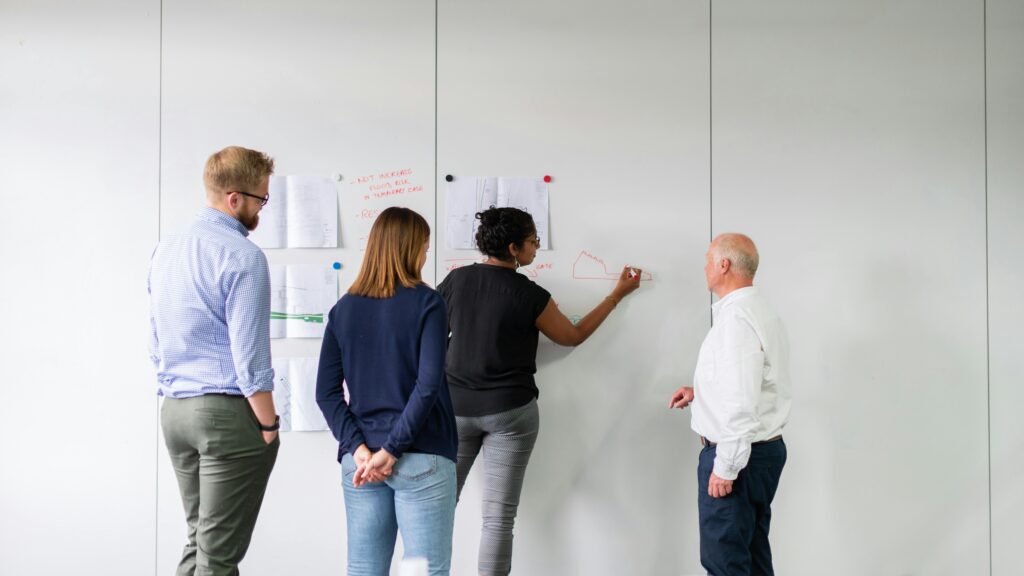
Projects depend on people. Stakeholders define needs, approve decisions, provide resources, and use results. Therefore, I need stakeholder analysis before I manage tasks in detail. Stakeholder analysis helps me understand who matters, what they need, and how they influence the project.
I use Project Stakeholders Analysis in Project Management in this cluster. This article helps me identify important people and groups. It also helps me understand their expectations, influence, and communication needs. As a result, I can manage relationships more actively.

Stakeholder work also reduces project risk. Hidden expectations can create conflict later. Therefore, I clarify interests early. In addition, I use communication to build trust and shared understanding.
This topic connects strongly with planning and implementation. A good plan can fail when stakeholders do not support it. However, clear stakeholder management can protect the project from confusion. Therefore, I treat communication as a core project activity.
Learning and Continuous Improvement
Project management should improve over time. I do not want to repeat the same mistakes. Therefore, I need learning, reflection, and better habits. Learning in project management helps me turn experience into stronger decisions and better future results.
I start with Learning in Project Management. This article explains why every project should create knowledge. Teams learn from decisions, risks, errors, and outcomes. As a result, future projects can start with better insight.
Then I use Avoiding Mistake Repetition in Project Management. This article helps me focus on recurring problems. Some mistakes happen again because teams never analyze them properly. Therefore, I need lessons learned, honest reviews, and practical improvements.
Learning also needs action. I do not collect lessons only for documentation. Instead, I use them to change planning, communication, and execution. As a result, project management becomes more mature over time.
Project Management Profession and Growth
Project management also connects with personal development. I need skills, judgment, communication, and leadership. Therefore, I also look at project management as a profession. The project management profession requires structure, people skills, business understanding, and continuous growth.
I use The Project Management Profession: Skills, Insights, and Career Growth to explore this wider view. This article helps me understand what project managers need today. They need planning skills, communication skills, risk awareness, and decision strength. In addition, they need confidence in complex environments.

Then I use Project Management Careers: How to Start and Succeed. This article supports readers who want to enter the field. It explains how skills, experience, learning, and practical responsibility build a career. Therefore, project management becomes more than a method.
I also use Complexity and Growth in Project Management. Projects often become more complex as organizations grow. More teams, systems, dependencies, and stakeholders increase coordination needs. As a result, project managers need stronger structures and better thinking.
Complexity also changes the role. I cannot only track tasks. Instead, I must understand uncertainty, relationships, and business impact. Therefore, growth in project management also means growth in judgment.

Then I use How Project Portfolio Management Drives Value. Portfolio management helps organizations choose the right projects. It connects investments with strategy, capacity, risk, and value. As a result, leaders can focus resources on the most useful initiatives.
This cluster helps me move beyond isolated delivery. A successful project may still fail to support strategy. Therefore, I need portfolio thinking to select and balance the right work.
Agile Project Management Foundations
After classic project management concepts, I move into agile thinking. Agile helps teams handle change, feedback, and uncertainty. Therefore, I need to understand agile before I use agile practices. Agile project management helps me deliver value step by step while learning from feedback.
I start with What Is Agile Project Management? because it introduces the basic concept. Agile project management focuses on adaptability, collaboration, and incremental delivery. As a result, teams can respond faster to changing needs.
Then I use The Agile Mindset. Agile does not only mean meetings or boards. Instead, it requires openness, learning, customer focus, and team responsibility. Therefore, mindset comes before method.
Next, I use Understanding the Principles Behind the Agile Manifesto. This article explains the values behind agile work. It helps me understand why collaboration, working results, change, and people matter. As a result, agile becomes easier to apply with purpose.
I also use Agile Methods Guide. This article helps me compare different agile methods. For example, teams may use Scrum, Kanban, or other agile approaches. However, I choose a method based on the project context.
Agile Phases, Cycles, and Delivery
After the agile foundation, I need to understand delivery flow. Agile work moves through cycles, feedback, and regular improvement. Therefore, I need clear steps and a practical roadmap. Agile delivery helps me break complex work into smaller, testable, and valuable steps.
I use Agile Development Phases: The 5 Steps You Should Know to explain the basic flow. This article helps me understand how agile work progresses from idea to delivery. It also shows why teams need feedback at each step.

Agile Phases, Cycles, and Delivery
After the agile foundation, I need to understand delivery flow. Agile work moves through cycles, feedback, and regular improvement. Therefore, I need clear steps and a practical roadmap. Agile delivery helps me break complex work into smaller, testable, and valuable steps.
I use Agile Development Phases: The 5 Steps You Should Know to explain the basic flow. This article helps me understand how agile work progresses from idea to delivery. It also shows why teams need feedback at each step.
Then I use The Agile Development Cycle: My Roadmap to Smarter Development. This article gives me a practical view of repeated agile work. The cycle helps teams plan, build, review, and improve. As a result, progress becomes visible and adaptable.
Agile delivery also supports better decisions. Teams do not need to predict everything at the start. Instead, they inspect results and adjust the next steps. Therefore, agile delivery reduces uncertainty through learning.
Agile Roles, Meetings, and User Stories
Agile work needs clear roles and shared routines. Teams need to know who does what. They also need useful meetings and clear work items. Agile roles, meetings, and user stories help teams coordinate work without losing speed.
I start with Agile Roles: Who Does What? because roles create clarity. This article explains responsibilities inside agile teams. It helps me understand the Product Owner, Scrum Master, developers, and stakeholders. As a result, collaboration becomes easier.
Then I use Agile Meetings: Keep Teams Focused and Fast. Meetings should support progress, not block it. Therefore, agile meetings need clear purpose, short timing, and useful outcomes. This helps teams stay aligned without wasting time.
Next, I use What Are User Stories? User stories help me describe needs from a user perspective. They keep requirements simple, goal-oriented, and discussable. User stories help me connect user needs with practical development work.
User stories also support prioritization and feedback. I can discuss value before implementation. In addition, I can split large needs into smaller pieces. Therefore, user stories help agile teams deliver useful results step by step.
Agile Roles in Requirements Engineering
Agile project management also connects with requirements engineering. Requirements work changes when teams use agile methods. Therefore, I need to understand my own role in this environment. Agile requirements work helps me connect stakeholder needs with continuous development and delivery.
I use Embracing My Role as the Agile MDRE Engineer in this cluster. This article helps me reflect on responsibilities in agile requirements work. It shows how I can support discovery, clarification, validation, and communication. As a result, requirements engineering becomes part of continuous collaboration.
This role needs flexibility. I do not only write requirements documents. Instead, I help teams understand needs, refine stories, and validate outcomes. Therefore, agile requirements work connects analysis with delivery.
This topic also closes the bridge between project management and requirements management. Projects need structure. Agile teams need adaptability. Requirements engineering helps both sides stay aligned.

Project Management as a Connected Discipline
Project management becomes powerful when I connect all these topics. First, I understand what projects are. Then I plan, manage stakeholders, control constraints, and learn from results. After that, I can move into agile methods, roles, cycles, and portfolio value.
This section helps me build knowledge in a logical order. I start with foundations. Then I move into planning, delivery, communication, learning, and career growth. Finally, I explore agile work, programs, and portfolios. The Project Management section helps me understand how structured delivery creates better results across teams and organizations.
I do not treat these articles as separate islands. Instead, I use them as one learning path. Each topic adds a new layer of understanding. Therefore, this section helps me manage projects with more clarity, flexibility, and strategic awareness.
Project Management as a Connected Discipline
Project management becomes powerful when I connect all these topics. First, I understand what projects are. Then I plan, manage stakeholders, control constraints, and learn from results. After that, I can move into agile methods, roles, cycles, and portfolio value.
This section helps me build knowledge in a logical order. I start with foundations. Then I move into planning, delivery, communication, learning, and career growth. Finally, I explore agile work, programs, and portfolios. The Project Management section helps me understand how structured delivery creates better results across teams and organizations.
I do not treat these articles as separate islands. Instead, I use them as one learning path. Each topic adds a new layer of understanding. Therefore, this section helps me manage projects with more clarity, flexibility, and strategic awareness.

Process Management
Process management helps me understand how work moves through an organization. I use it to make activities, roles, decisions, and results easier to see. Therefore, I can improve business workflows with more structure and less guesswork. This section starts with basic ideas and then moves toward lifecycle, modeling, analysis, and optimization.
Process Management Foundations
Before I improve a process, I need to understand what a process is. A process connects activities that create a defined result. Therefore, I start with the basic terms before I move into larger management concepts. Clear foundations help me avoid confusion between tasks, workflows, processes, and business systems.
I start with What is a Process? The Backbone of Business Operations because it explains the core idea. Then I use Process Basic Concepts: Your Key to Clear Business Workflows to build simple vocabulary. In addition, Process vs. Algorithm – What’s the Difference? helps me separate business work from technical logic. As a result, I can explain process thinking in a clearer way.
Next, I use What is Process Management? to move from definition to active control. This article helps me show how I plan, analyze, guide, and improve business work. Then I connect it with What is Business Process Management? because both articles broaden the view. Therefore, readers can understand process management as both a practical and strategic discipline.
Process Orientation
After I understand the basics, I need to understand process orientation. Process orientation helps me look beyond departments and isolated tasks. Instead, I focus on the flow of work from start to result. Therefore, I can see how people, systems, and decisions create value together.
I use Why Process Orientation Matters to explain this shift in thinking. It helps me show why organizations need more than functional silos. In addition, Reimagining Public Sector through Process Orientation gives this topic a practical setting. As a result, readers can see how process orientation supports better public services.
Process orientation also connects different management disciplines. Therefore, I use Bridging the Gap Between Process Management Disciplines in this section. This article helps me compare perspectives and connect related methods. As a result, readers can understand process work as part of a larger management system.

Process Types and Business Value
Once I understand process orientation, I need to classify processes. Not every process has the same purpose. Some processes create direct customer value, while others support internal work. Therefore, process types help me analyze an organization with more precision.
I start with Process Types: How to Differentiate Core, Support, and End-to-End Processes. This article helps me separate core processes from support processes. It also helps me explain end-to-end work more clearly. As a result, I can show which processes drive value most directly.
Then I use End-to-End (E2E) Processes: A Key to Efficiency. This topic helps me follow work across teams, systems, and handovers. In addition, How the End-to-End Process Transforms Business Efficiency from the Ground Up shows the business impact. Therefore, readers can see why complete process flows matter so much.

Process Modeling and Analysis
After I know the process type, I need to make the process visible. Process modeling helps me turn invisible work into a clear structure. Therefore, I can discuss workflows with stakeholders more easily. A visual process model helps me find gaps, delays, risks, and unclear responsibilities.
I use Process Modeling: A Key to Streamlined Workflows as the main entry point. This article explains why process models support understanding and improvement. Then I use Design and Analysis in the Business Process Lifecycle to connect modeling with lifecycle work. As a result, readers can see how analysis supports better process design.
Process analysis also needs clear roles. Therefore, I use RACI Responsibilities in BPMN Process Management and Analysis in this cluster. This article helps me assign responsibility, accountability, consultation, and information needs. As a result, I can reduce confusion inside process work.
Process Optimization
After I model and analyze a process, I can improve it. Process optimization helps me remove waste, reduce delays, and improve outcomes. However, I should not optimize before I understand the current workflow. Therefore, I first analyze the process and then improve it with purpose.

I use How I Improve Workflows Through Process Optimization to guide this final step. This article helps me move from insight to practical improvement. In addition, it shows how small changes can strengthen daily work. As a result, readers can connect process theory with real business improvement.
This topic completes the process management path. I start with definitions, then move through orientation, types, modeling, and optimization. Therefore, the reader gets a logical learning journey through process management. Process management becomes useful when I use it to understand, improve, and guide real work.
If you simply want to browse, explore the articles covering the following topics:
Project Management, and