
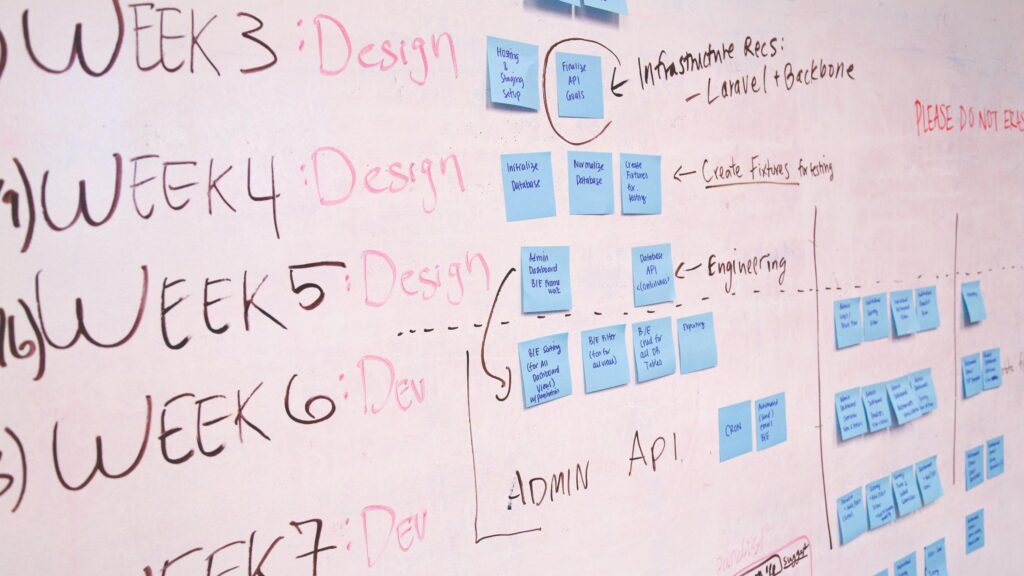
Delivering successful projects is never easy. In today’s fast-changing world, systems engineering and project management work hand in hand to make it happen. From building factories to launching aircraft, these principles ensure structure and control. In this article, I’ll explain how they support effective project implementation and help organizations turn complex ideas into reliable, real-world results.
What Is Project Implementation?
I define project implementation as the controlled transition from planned objectives and requirements to an operational result.
During implementation, new information appears. Dependencies become visible. Assumptions may fail, and stakeholders may request changes. Therefore, implementation involves more than executing tasks.
Effective project implementation keeps objectives, requirements, solution decisions, and project work aligned as the project develops.
Project management provides structure for schedules, resources, responsibilities, risks, and decisions. Systems engineering adds the technical view of components, interfaces, and dependencies. Complex projects usually need both perspectives.
Start with Clear Objectives and Requirements
Before implementation begins, I need to understand what the project must achieve.
The project objective defines the intended result. Requirements then translate stakeholder needs, constraints, and quality expectations into a usable basis for implementation.
I therefore clarify:
- what problem the project should solve,
- what result it should create,
- which requirements and constraints apply,
- who will use or operate the result,
- and how I will determine success.
I avoid prescribing unnecessary solution details too early. Otherwise, I may restrict better alternatives.
Requirements give me a reference for deciding what belongs within the project and whether the final result is acceptable.
Connect Requirements with Project Work
Requirements alone do not create a result. I must connect them with solution decisions and implementation activities.
For each important requirement, I should understand:
- what the project must achieve,
- how the solution will satisfy it,
- and which work will implement and verify it.
This connection helps me identify missing activities and unnecessary work. Moreover, it improves change analysis because I can trace how a changed requirement affects the solution and project plan.
Manage Interfaces and Dependencies
Many project failures occur between components, teams, or systems rather than within individual tasks.
Therefore, I identify technical and organizational dependencies early. I examine which components exchange information, which teams depend on each other, and which external systems influence the result.
A project succeeds as a whole only when its individual parts work together.
This systems perspective becomes increasingly important as complexity grows.
Clarify Responsibilities and Decisions
Implementation requires frequent coordination. Therefore, I define ownership for important deliverables, requirements, risks, and activities.
I also clarify decision rights. Teams need to know who can make operational, technical, requirements-related, and project-level decisions.
Clear responsibilities reduce delays. At the same time, clear decision rights prevent major changes from occurring without considering their wider effects.
Control Changes
Change is normal during implementation. New information may reveal better solutions, technical limitations, or changed stakeholder priorities.
Therefore, I do not try to prevent change. Instead, I evaluate its consequences before accepting it.
For significant changes, I consider effects on requirements, solution elements, interfaces, cost, schedule, risks, verification, and stakeholders.
Good change management allows learning without losing control of the project objective.
Manage Risks and Assumptions
Projects rely on assumptions about technology, suppliers, stakeholders, existing systems, schedules, and many other factors.
I make important assumptions explicit because an incorrect assumption can become a major project risk.
I also distinguish risks from issues. A risk may occur in the future. An issue already exists and requires action.
This distinction helps me choose an appropriate response and prevents hidden uncertainties from influencing implementation unnoticed.
Verify Continuously
I do not wait until the end of the project to verify results.
Instead, I compare intermediate results with requirements, acceptance criteria, interface definitions, and constraints. I also integrate components early enough to identify interaction problems.
The earlier I identify a deviation, the more options I usually have to correct it.
Continuous verification also shows whether the project creates the intended result rather than merely completing planned activities.
Keep Stakeholders Involved
Stakeholder involvement does not end after requirements elicitation.
During implementation, I may need clarification, prioritization, reviews, and decisions. Therefore, I involve the relevant stakeholders when their knowledge or authority matters.
However, I avoid involving everyone in every decision. Instead, I match participation to responsibility and impact.
Consider the Operating Environment
A project never exists in isolation. Existing systems, regulations, suppliers, organizational processes, users, and other projects can influence implementation.
Therefore, I evaluate the solution within its real environment.
A technically correct solution can still fail if it does not fit operational processes, legal constraints, surrounding systems, or organizational capabilities.
Prepare the Transition into Operation
Implementation should also prepare the result for actual use.
Therefore, I consider deployment, migration, documentation, training, support, maintenance, and operational responsibility before the project ends.
A project creates value only when the organization can use, operate, and maintain its result successfully.
Final Thoughts
For me, effective project implementation follows a simple structure. I begin with clear objectives and requirements. Then, I connect them with solution decisions and project work. I manage dependencies, responsibilities, changes, risks, and stakeholders deliberately. At the same time, I verify results continuously and prepare the transition into operation.
Project management gives me organizational control. Systems thinking helps me understand how individual decisions affect the complete result.
Together, they help me turn a project plan into an outcome that actually fulfills its intended purpose.
What’s Next?!
Now that you understand the basic characteristics of a project, it is time to look at how project work unfolds in practice. A project needs more than goals, deadlines, and resources. It also needs a clear structure from start to finish.
Therefore, continue with Understanding Project Management Process Groups. In this next article, I explain how initiation, planning, execution, monitoring, control, and closing help organize project work and guide teams toward successful results.
Explore Management Across Requirements, Services, and Processes
If you want to understand how modern IT work stays structured, continue with Management. In this main article, I explain how management connects planning, people, decisions, and delivery. I also show how Requirements Management in the IREB CPRE context helps control needs, changes, and priorities. In addition, Process Management in the BPMN context helps model, analyze, and improve workflows. Therefore, this article gives you a clear overview of how these areas work together and create better business results.
Credits: Photo by Startup Stock Photos from Pexels