
All Management Articles

This page presents requirements management articles. Requirements management documents and analyzes. It traces, prioritizes, and agrees. Stakeholders gain clear shared understanding. This foundation enables project success. Requirements align with business objectives. They remain feasible and testable. Ongoing monitoring controls evolving requirements. Approved changes prevent scope creep. Robust practices improve product quality. They ensure predictable project outcomes.

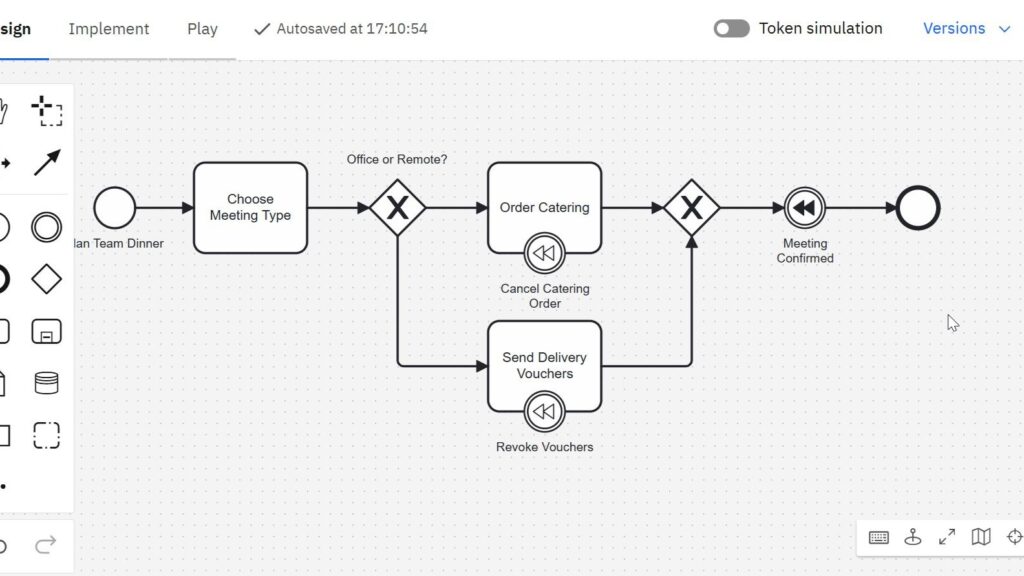
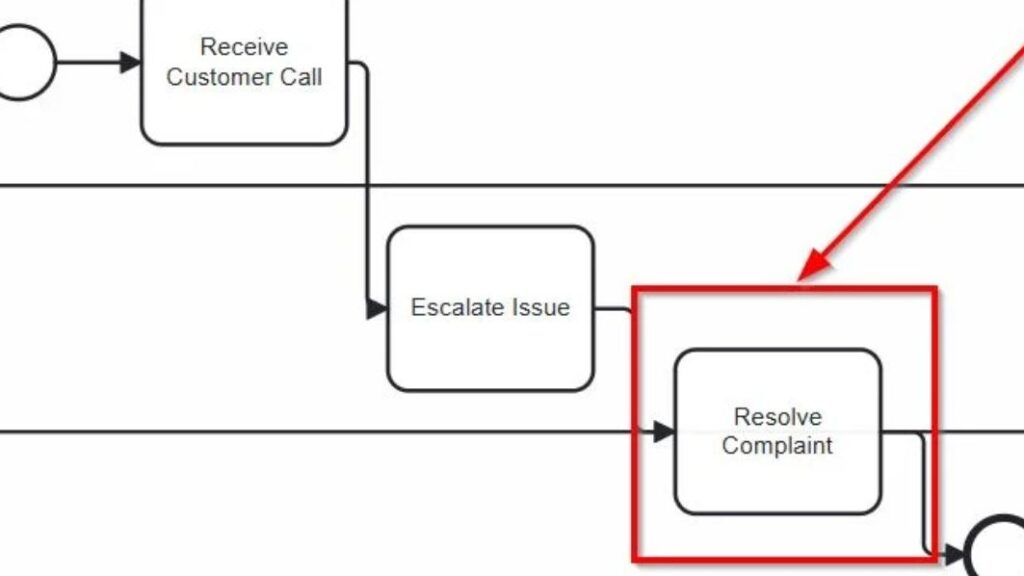
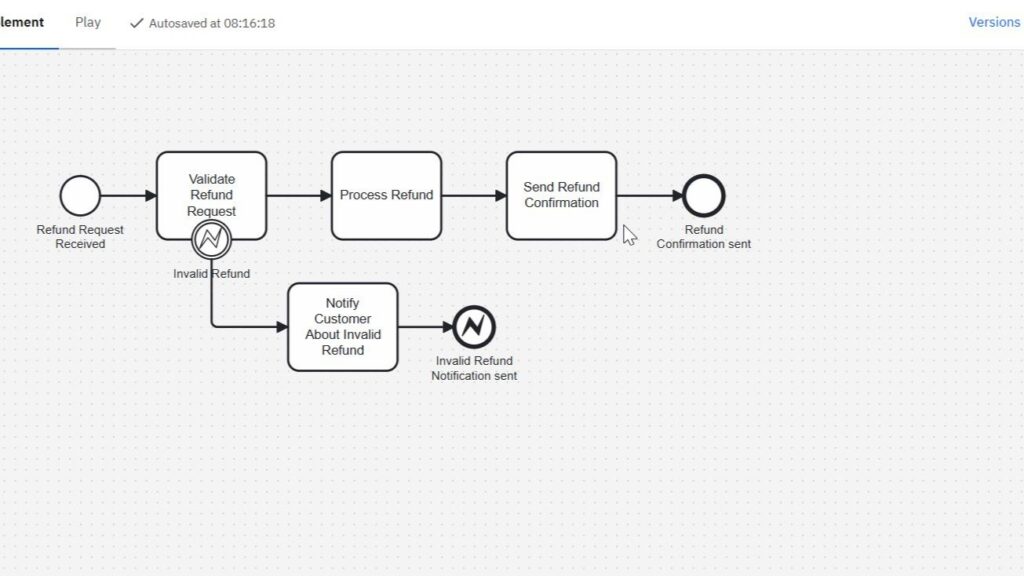
Partial screenshot of a diagram editor showing tasks, gateways, and labeled compensation-style icons under two tasks.

How to Use the Compensation Event in BPMN 2.0

Sometimes, we need to undo what we already did. That’s not just life—it’s business. I often face situations where a previous action must be reversed. Maybe a payment goes back. Maybe a service gets canceled. In BPMN 2.0, I model these reversals with compensation events. In this article, I’ll show you what the compensation event in BPMN is, when to use it, and how it works in practice. I’ll also explain an example to make it crystal clear.

How to Use the Compensation Event in BPMN 2.0 Read More »

What Is a Requirements Attribute Schema?

What is a requirements attribute schema? It is a clear structure for describing requirements with consistent details. For example, I can define attributes like priority, status, source, risk, effort, and owner. Therefore, teams can compare requirements more easily, reduce confusion, and improve requirements management. As a result, projects gain more clarity and control.

What Is a Requirements Attribute Schema? Read More »

Goals of Requirements Management

Requirements management goals help me bring clarity, structure, and control into project delivery. I use them to manage requirements, interview notes, customer specifications, and related artifacts in a systematic way. As a result, I reduce chaos, align stakeholders, and support better decisions. Therefore, requirements management helps teams reach project goals in different contexts.

Goals of Requirements Management Read More »

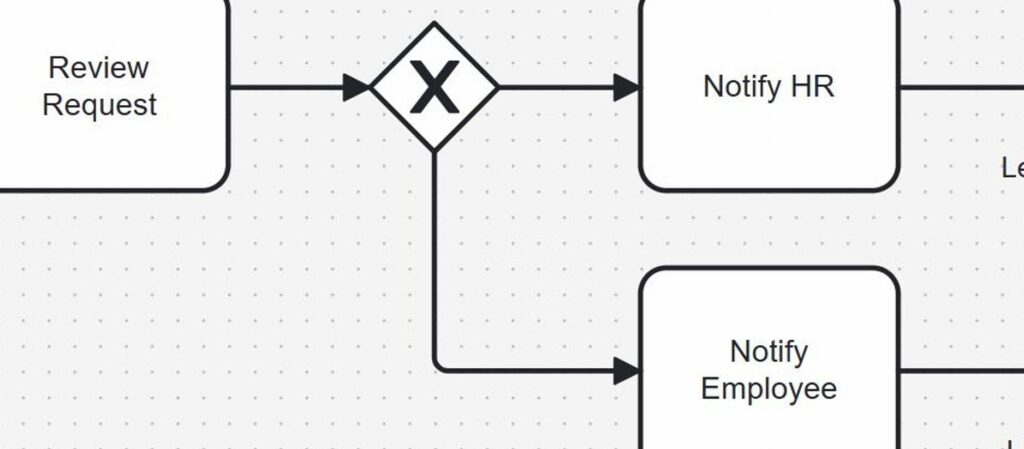
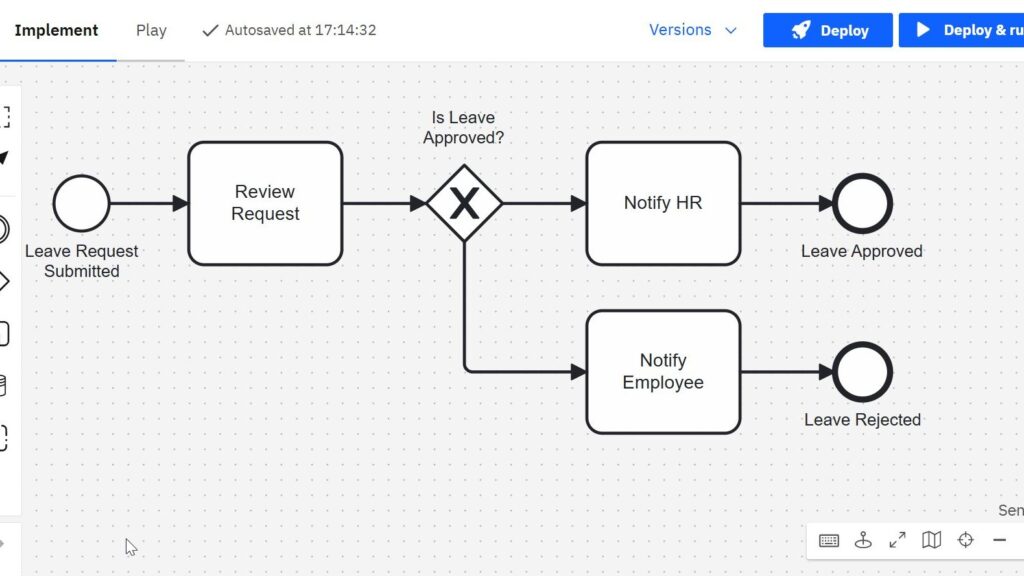
Cropped flowchart showing a diamond with an “X” splitting the flow toward “Notify HR” and “Notify Employee.”

Why Process Orientation Matters

Process orientation helps organizations create clear and efficient workflows. It focuses on documenting, standardizing, and improving business processes. As a result, employees understand their roles, responsibilities, and handovers better. This reduces confusion, improves coordination, and supports smoother daily operations.

Why Process Orientation Matters Read More »

ITIL Deployment Approaches: Choosing the Right Path for Success

The deployment of software isn’t as simple as moving files from one place to another. The process demands precision, strategy, and a keen understanding of organizational needs. Imagine managing global logistics for a courier company – decisions about bundling packages, choosing transport methods, and handling regulations must all align perfectly. Software deployment shares this complexity. ITIL, a leading framework for IT service management, offers structured practices to navigate these challenges effectively. Let’s dive into the key ITIL deployment approaches it recommends.

ITIL Deployment Approaches: Choosing the Right Path for Success Read More »

ITIL Deployment Management: A Guide to Seamless Transitions

ITIL Deployment Management helps me move software and infrastructure changes into live use smoothly. It supports stable rollouts, reduces risks, and keeps business operations running efficiently. In this post, I’ll explain the practice in simple terms and use a real-world business case to show how structured deployment creates clarity, control, and reliable service transitions.

ITIL Deployment Management: A Guide to Seamless Transitions Read More »

ITIL Types of Releases

ITIL Types of Releases include major, minor, and emergency releases. Each type serves a different purpose and needs a different level of planning, testing, and control. Major releases bring larger changes. Minor releases improve existing services. Emergency releases fix urgent issues. In this article, I’ll explain each type with clear examples.

ITIL Types of Releases Read More »

Scroll to Top
WordPress Cookie Plugin by Real Cookie Banner