
All Management Articles

This page presents requirements management articles. Requirements management documents and analyzes. It traces, prioritizes, and agrees. Stakeholders gain clear shared understanding. This foundation enables project success. Requirements align with business objectives. They remain feasible and testable. Ongoing monitoring controls evolving requirements. Approved changes prevent scope creep. Robust practices improve product quality. They ensure predictable project outcomes.

ITIL Types of Releases

ITIL Types of Releases include major, minor, and emergency releases. Each type serves a different purpose and needs a different level of planning, testing, and control. Major releases bring larger changes. Minor releases improve existing services. Emergency releases fix urgent issues. In this article, I’ll explain each type with clear examples.

ITIL Types of Releases Read More »

ITIL Release Management Practice: An Essential Guide

ITIL Release Management Practice helps me move changes from development to production with less risk and more control. It supports planning, testing, coordination, and predictable delivery. Whether I work in classic ITIL, agile teams, or DevOps environments, release management keeps service changes structured. In this post, I’ll explain the basics and show its value with a practical business case.

ITIL Release Management Practice: An Essential Guide Read More »

ITIL Change Types: An Introduction

In this introduction to itil change types, I explain why one approach never fits every IT change. Some changes are routine, while others need urgent action or careful approval. Just like medical cases need different responses, ITIL change management adapts to risk, impact, and urgency. In this article, I’ll break down the main change types with clear business scenarios.

ITIL Change Types: An Introduction Read More »

Scope of ITIL Change Control

Change is inevitable in IT. Every day, teams tweak, fix, update, or replace systems. However, not every change needs the same level of control. The scope of ITIL Change Control helps me decide which changes require review, approval, coordination, and communication. In this article, I’ll explain what belongs in scope and why clear boundaries protect service quality.

Scope of ITIL Change Control Read More »

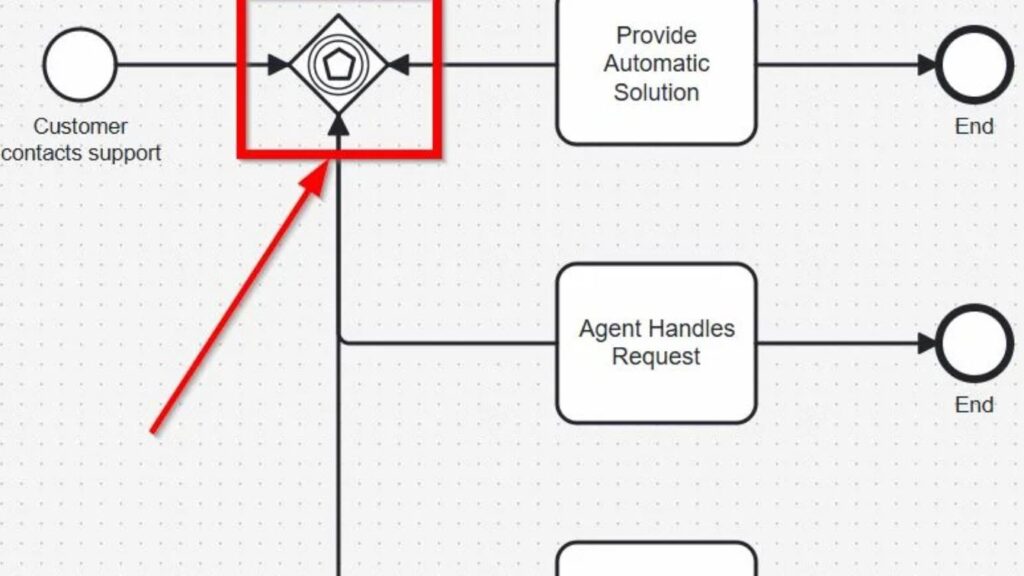
Diagram editor screenshot showing a sequence of steps (“Send Welcome Email,” “Set Up IT Access,” “Assign Mentor,” “Mentor Guide”) ending in a circle highlighted with a red box and arrow.

What is Process Management?

What is process management? At first, the term may sound technical. However, it simply describes how companies structure, control, and improve their daily work. In this article, I explain why process management matters, how it supports better business operations, and how BPMN helps visualize processes. In addition, I use a simple example with a diagram to make the topic easier to understand.

What is Process Management? Read More »

Embracing ITIL Change Control Practice

Change is inevitable in IT, because services, systems, and products need updates to stay useful. However, change can also create risk when teams manage it poorly. ITIL Change Control Practice helps me assess, plan, approve, and implement changes without disrupting operations. In this article, I’ll explain how structured change control keeps services stable while supporting continuous improvement.

Embracing ITIL Change Control Practice Read More »

ITIL Service Catalog

When I first encountered the ITIL Service Catalog, I saw how important it is for clear service management. It shows which IT services are available and helps users request them in the right way. However, many people still confuse service requests with incidents. In this article, I’ll explain the difference and show how the service catalog improves clarity, support, and daily IT service delivery.

ITIL Service Catalog Read More »

ITIL Service Request Management

Managing service requests efficiently matters in fast-paced IT environments. ITIL Service Request Management gives me a clear roadmap for fulfilling predefined service needs. Its structured approach keeps services user-friendly while supporting agreed quality levels. In this article, I’ll explain what this practice includes and how businesses can use it to deliver faster, clearer, and more reliable support.

ITIL Service Request Management Read More »
ITIL Problem Management Terminology

Problem management can feel complex because it asks me to look beyond symptoms. ITIL Problem Management terminology helps me use the right language for root causes, known errors, workarounds, and solutions. In this article, I’ll explain the key terms in simple words, so you can apply them at work and prepare more confidently for the ITIL Foundation exam.

ITIL Problem Management Terminology Read More »

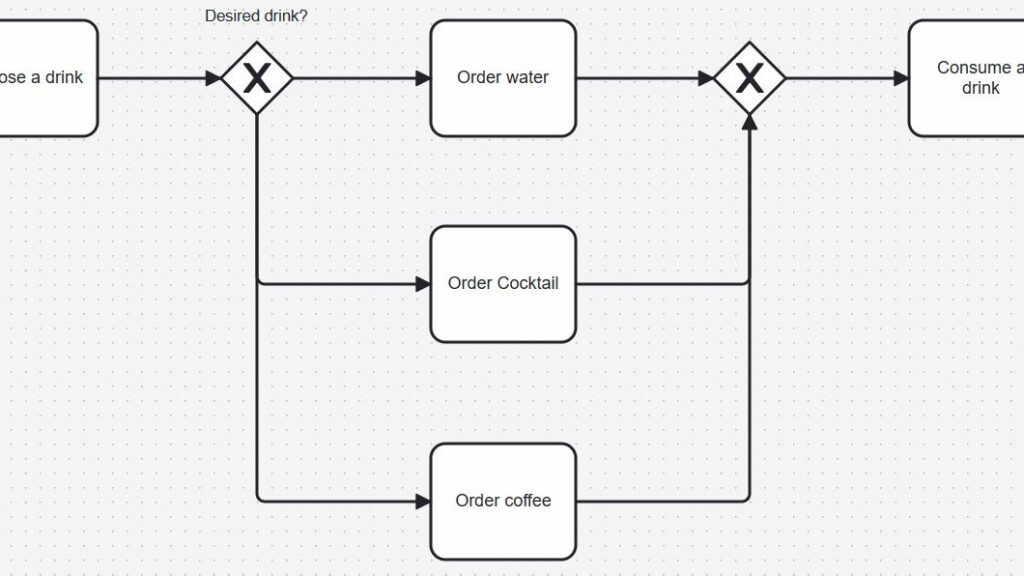
Workflow diagram starting with “Leave Request Submitted,” followed by “Review Request,” a decision diamond labeled “Is Leave Approved?,” and two outcomes ending in circles labeled “Leave Approved” and “Leave Rejected.”

What is BPMN – Business Process Management and Notation?

What is BPMN and why does it matter in daily business work? I use BPMN to understand, describe, and improve processes in a clear way. It helps me see how work flows from one step to the next and where problems may appear. As a result, BPMN supports better process management, clearer communication, and more efficient workflows. This overview gives an easy introduction to the topic.

What is BPMN – Business Process Management and Notation? Read More »

Major Incident Management in ITIL: A Real-World Perspective

A major incident is more than a small disruption. It can threaten business operations, damage trust, and create lasting consequences. That is why ITIL uses major incident management to respond with urgency, structure, and clear communication. With defined roles, strict timelines, and skilled teams, organizations can act fast, reduce impact, and restore critical services.

Major Incident Management in ITIL: A Real-World Perspective Read More »

Scroll to Top
WordPress Cookie Plugin by Real Cookie Banner