All draw.io Articles
Visual modeling is essential for effective Requirements Engineering and IT Business Analysis. Diagrams bridge the gap between business stakeholders and technical teams by making processes, system interactions, dependencies, and requirements visible.
Draw.io supports a wide range of modeling techniques, including:
- UML Diagrams: Visualize system structure, behavior, and interactions.
- BPMN Diagrams: Model business processes, workflows, and decision points.
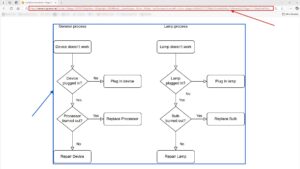
- Flowcharts: Illustrate business logic, activities, and process sequences.
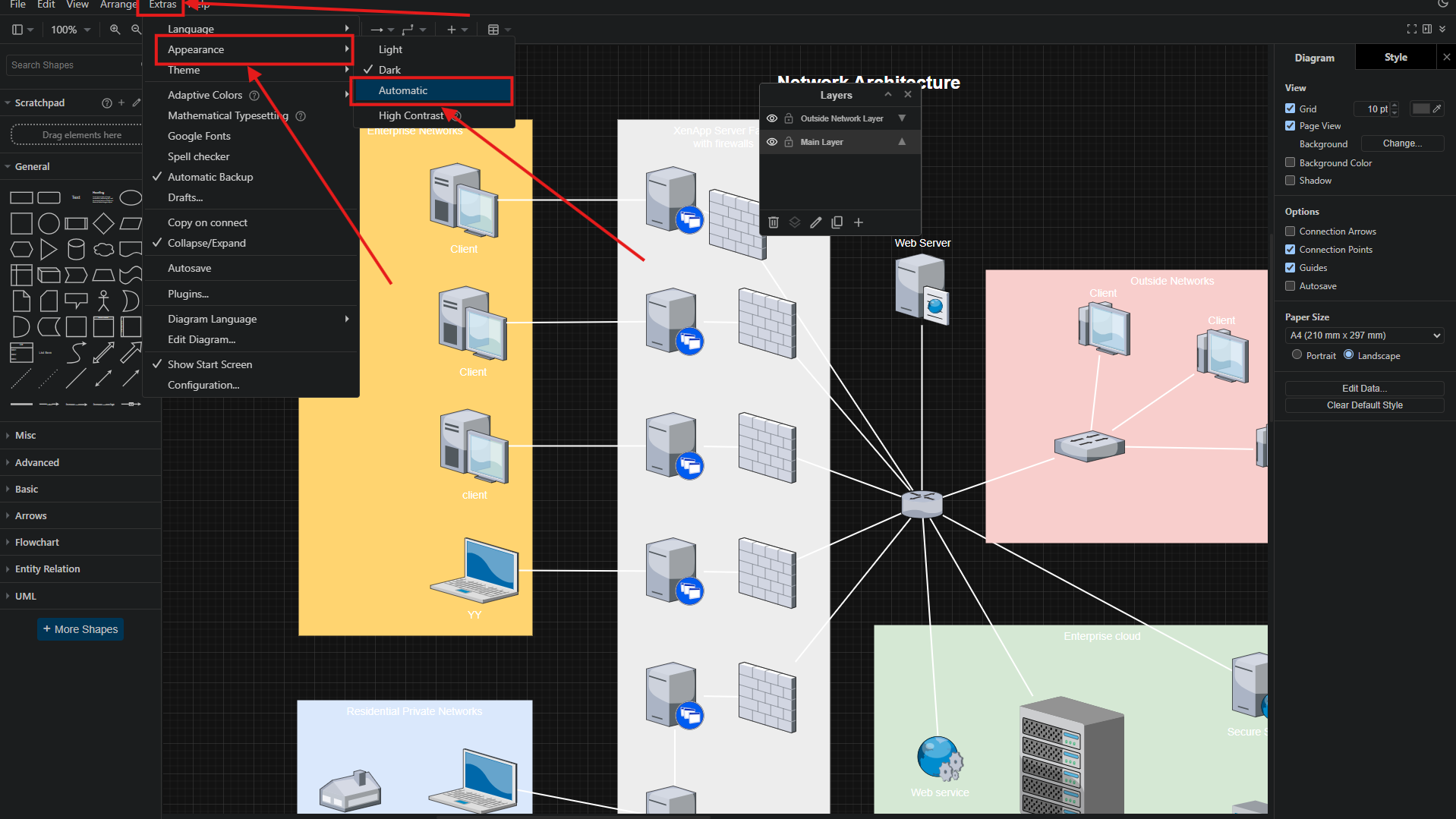
- Architecture Diagrams: Document system components, interfaces, and dependencies.
Master Draw.io with Practical Tutorials
With its intuitive interface, extensive shape libraries, customizable templates, and integrations with tools such as Confluence and Google Drive, draw.io offers a flexible environment for professional diagramming.
Explore our draw.io tutorials to learn essential features, discover advanced modeling techniques, and create diagrams that support requirements elicitation, analysis, documentation, and validation.
Whether you’re documenting business processes, modeling software systems, or communicating complex requirements, these step-by-step guides will help you turn complexity into clarity.