
All Tutorial Articles

This page presents requirements engineering tutorials. Tutorials guide your learning journey. They explain concepts with clarity. Each step builds practical skills. Examples illustrate methods and techniques. Guidance supports professional development goals. Tutorials cover models and tools. They strengthen analysis and documentation. Learning here improves project outcomes. Articles deepen requirements engineering knowledge.

Syntax and Semantics of BPMN

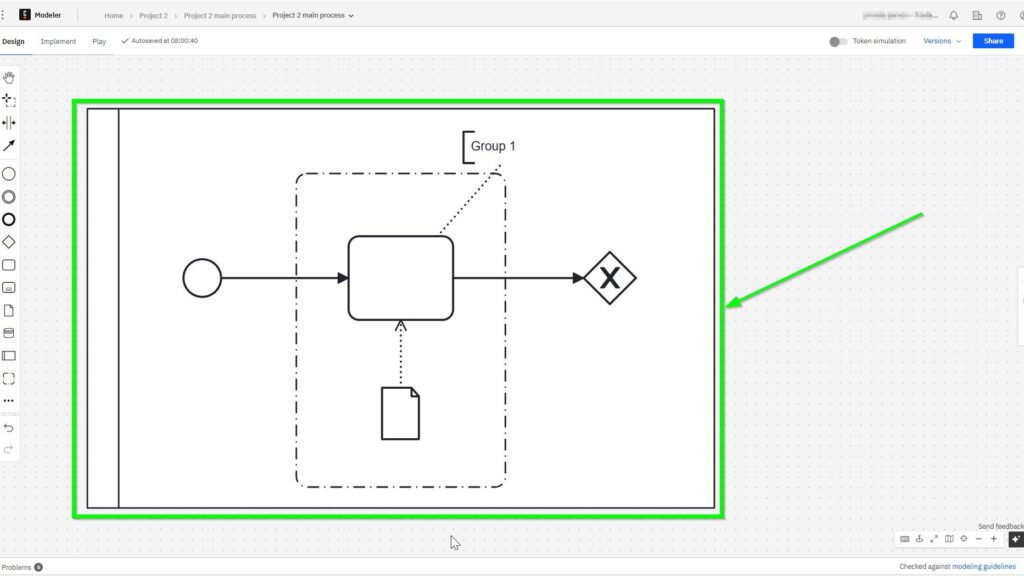
If process diagrams often create confusion, you are not alone. I know how frustrating unclear models can be. However, the syntax and semantics of BPMN make a big difference. They help me understand what each element means and how process logic should work. As a result, I can create BPMN diagrams that are clearer, more consistent, and much easier for others to understand.

Syntax and Semantics of BPMN Read More »

Object Name, State, and Behavior in Object-Oriented Programming

In software development, I strive to model the real world effectively. One of my strongest tools is object orientation—it turns complex problems into clear, structured models. But first, we must ask: what defines an object? I focus on three key aspects—object name, status, and object behavior. These elements bring systems to life and make them understandable. In this article, I’ll share how I think about objects and use their behavior to design better, more realistic software systems.

Object Name, State, and Behavior in Object-Oriented Programming Read More »

Object-Oriented Thinking: What Are Objects?

Object-oriented design has always fascinated me because it feels so natural and intuitive. Everything I encounter—whether physical or abstract—can be seen as an object with its own properties and behavior. That’s the real strength of this approach. It helps me divide complex systems into smaller, understandable units. In this article, I’ll guide you step by step through the idea of objects in object-oriented design and show how they shape clear, maintainable, and scalable solutions.

Object-Oriented Thinking: What Are Objects? Read More »

Cropped class-style diagram with a box labeled “ Interface,” listing fields and methods, plus dashed dependency arrows to other partially visible boxes.

Object-Oriented Elicitation: Requirements in Complex Systems

When I begin a software project, I don’t just write code—I ask questions to understand the real world behind the system. This becomes crucial when I work in unfamiliar domains, like developing software for a dental clinic. In such cases, object-oriented elicitation is my key approach. It helps uncover, organize, and refine requirements for effective system design. By applying object-oriented elicitation, I can turn complex real-world details into clear, structured, and actionable models.

Object-Oriented Elicitation: Requirements in Complex Systems Read More »

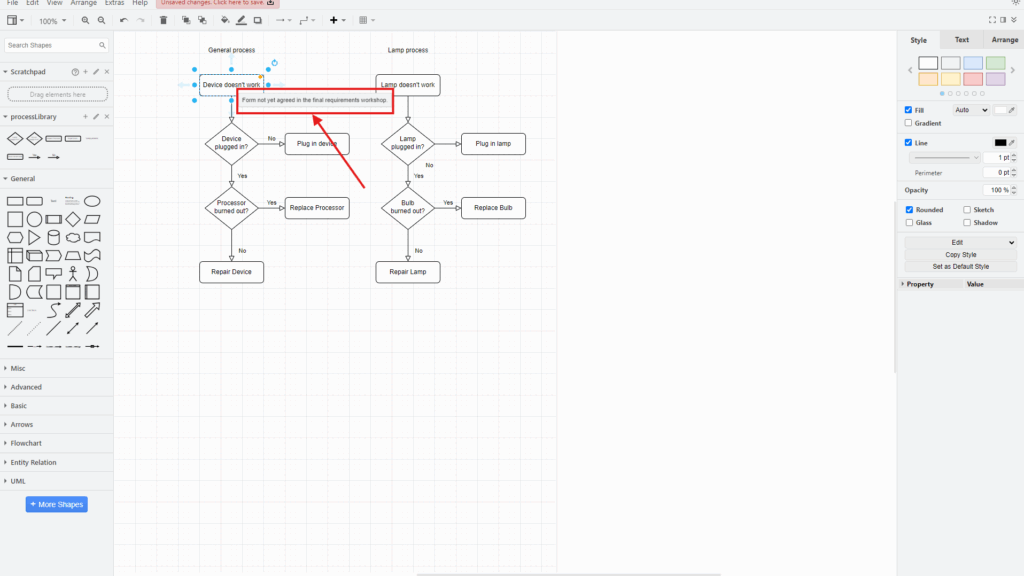
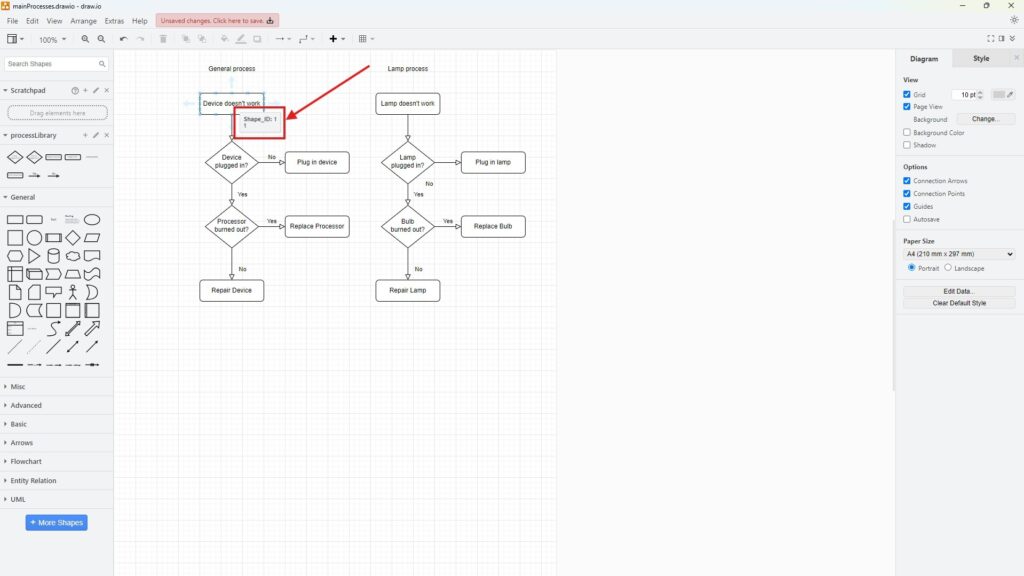
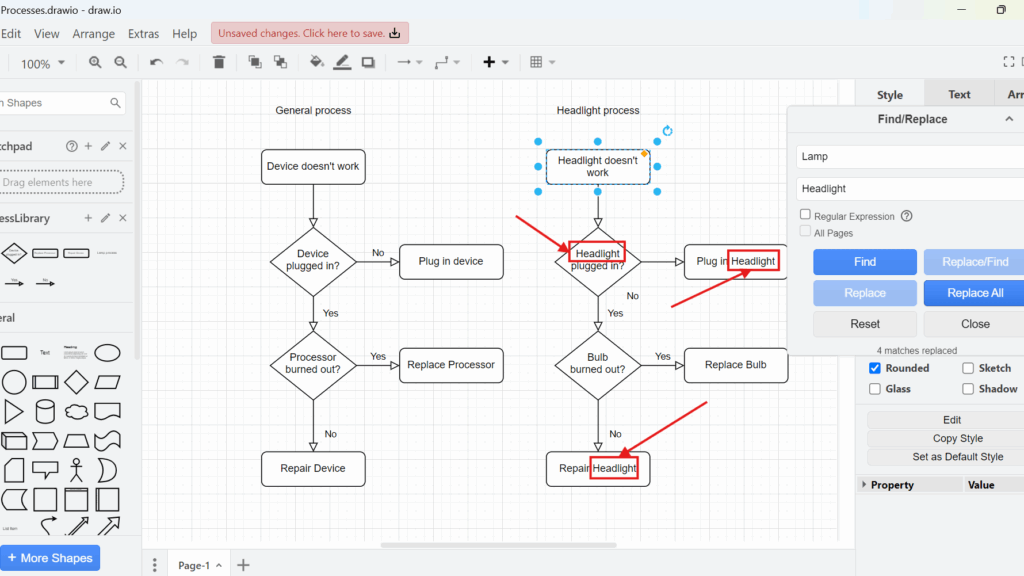
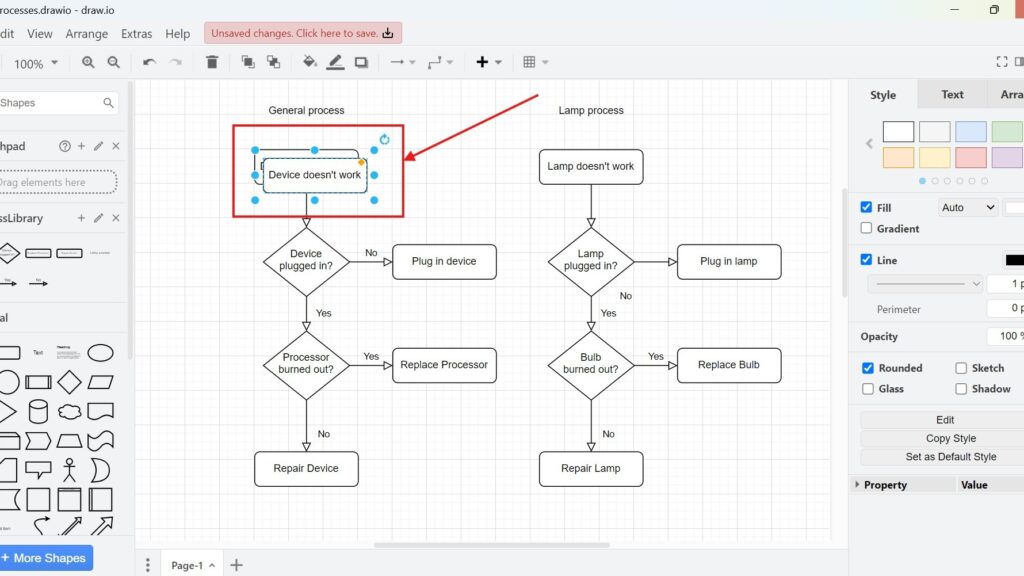
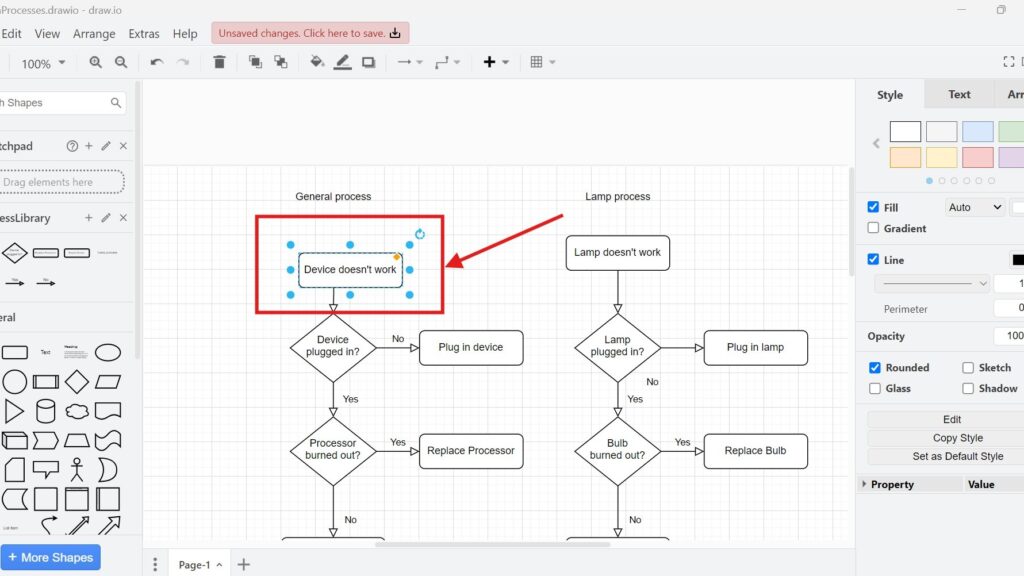
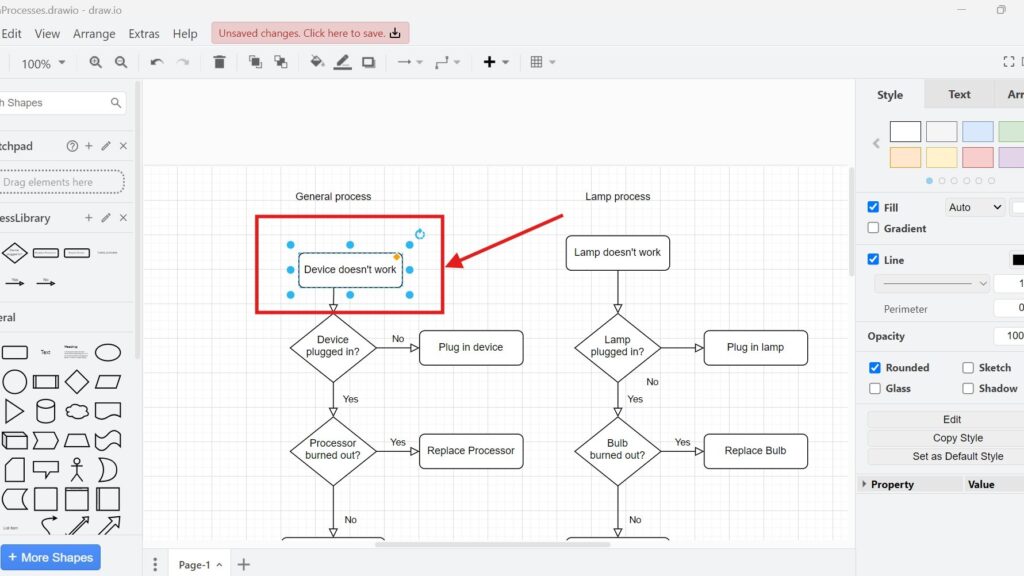
draw.io editor showing two flowcharts; the “Device doesn’t work” box is selected and outlined in red with a red arrow pointing at it.

How to Duplicate in draw.io

Duplicating saves time when I build diagrams in draw.io. It lets me reuse shapes, labels, and layouts without copying and pasting in separate steps. In this article, I explain How to duplicate in draw.io in a clear and practical way. You’ll learn how duplication works and why it helps you create diagrams faster, especially under tight deadlines.

How to Duplicate in draw.io Read More »

Cropped diagram with yellow rounded rectangles labeled “Activity” connected by red arrows, including two arrows pointing in opposite directions between two activities.

Understanding the Function Principle of Object-Orientation

The function principle of object-orientation defines how we model systems to mirror real-world interactions. It shifts our focus from separate tasks or data toward cohesive entities known as objects. Each object combines behavior, state, and communication into one logical unit. This approach enables modular, flexible, and maintainable software designs that grow naturally with system complexity, making development more intuitive and efficient.

Understanding the Function Principle of Object-Orientation Read More »

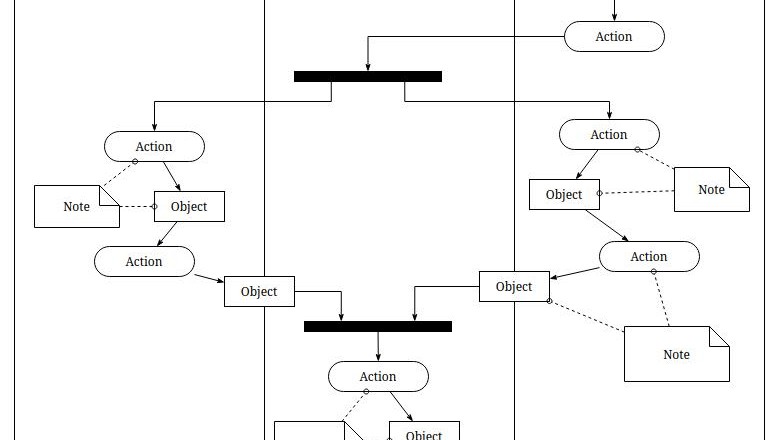
Cropped black-and-white diagram with vertical partitions showing “Action”, “Object”, and “Note” elements connected by arrows and thick black bars.

Discover the Power of Object-Oriented Thinking

Today, object-oriented thinking defines how we design systems and build software. I use it every day and see its importance growing. From Java to C++, this mindset shapes how modern applications work. But object-oriented thinking goes far beyond coding—it changes how we analyze problems and model real-world scenarios. In this article, I’ll explain what object-oriented thinking really means, why it matters, and how it helps create smarter, more adaptable systems.

Discover the Power of Object-Oriented Thinking Read More »

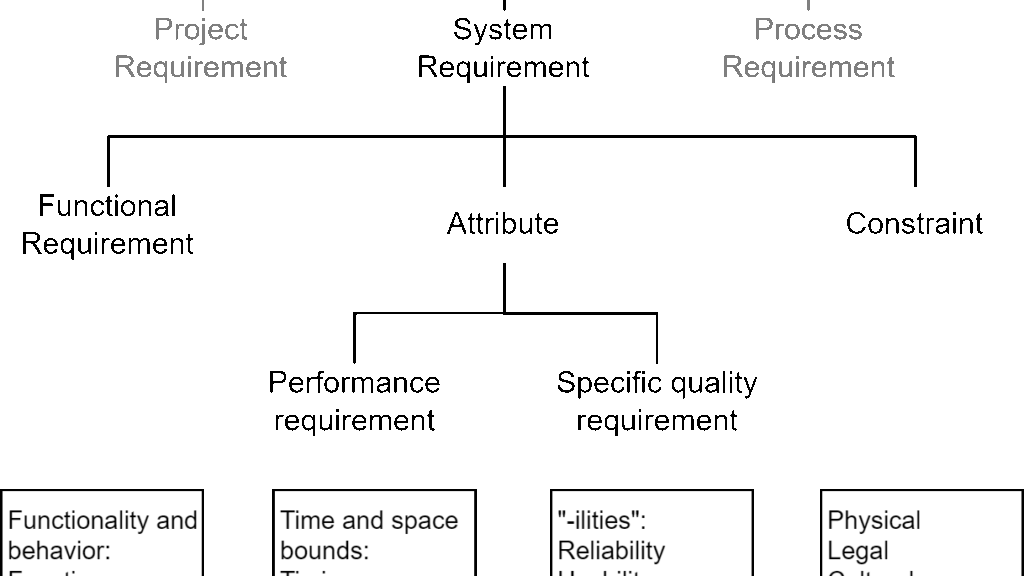
Black graphic with the headings “Project Requirement” and “Process Requirement” and several cut-off white category boxes at the bottom.

Model Based Requirements Validation: Ensuring Software Quality with Precision

Have you ever launched a project and found major flaws late in development? I’ve been there, and it’s frustrating. That’s why Model Based Requirements Validation is so valuable. It helps detect issues early by verifying that requirements models truly match stakeholder expectations. This approach not only prevents costly errors but also strengthens collaboration and improves software quality. Let’s explore how Model Based Requirements Validation turns early insights into lasting project success.

Model Based Requirements Validation: Ensuring Software Quality with Precision Read More »

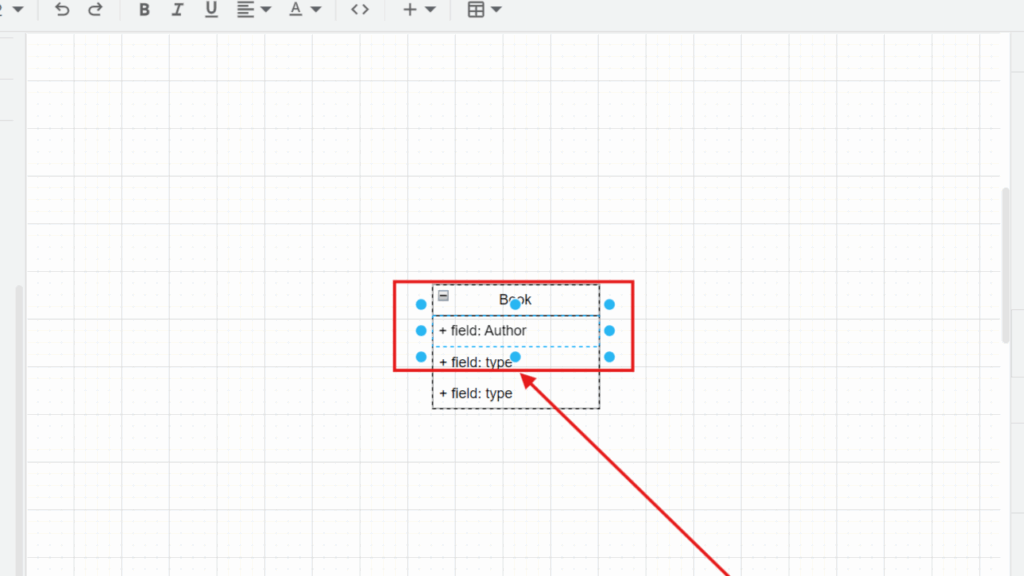
Selected “Book” box showing lines like “+ field: Author” and “+ field: type,” highlighted by a red frame and arrow.

Model UML Class Attributes in draw.io

Have you ever wondered how to visualize complex systems? UML diagrams make it easy to represent structures, especially when you want to show class attributes. In this article, I’ll walk you through modeling UML class attributes in draw.io step by step. By the end, you’ll be able to create clean and organized diagrams that bring clarity to your designs.

Model UML Class Attributes in draw.io Read More »

Box labeled “Person” highlighted with a red rectangle and a red arrow pointing to it.

Model UML Classes in draw.io

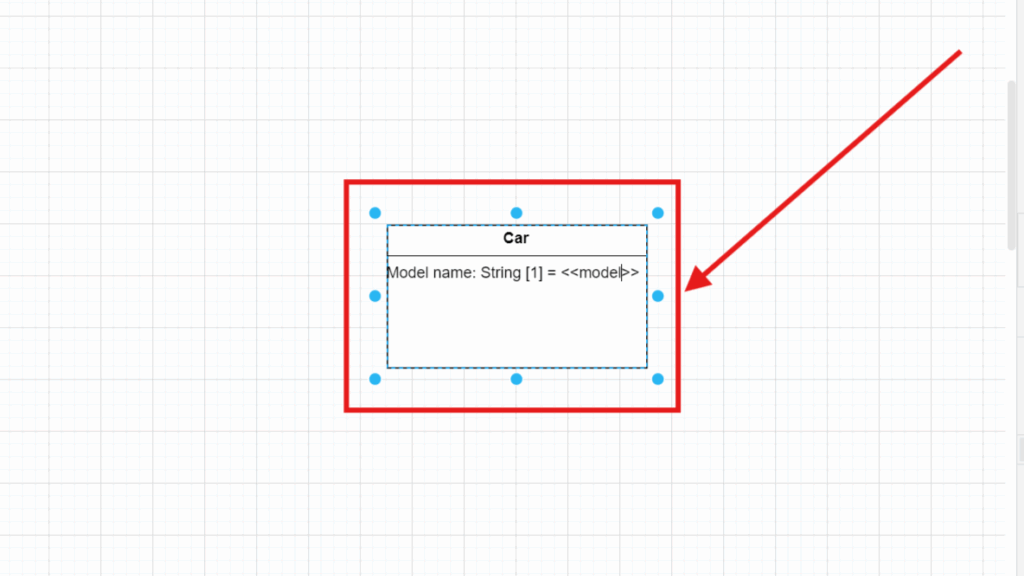
Modeling UML classes in draw.io helps me understand complex systems more clearly. I can structure information, show objects, and explain relationships in a visual way. In this article, I show why draw.io works well for UML modeling and guide you step by step through creating UML classes in draw.io.

Model UML Classes in draw.io Read More »

Scroll to Top
WordPress Cookie Plugin by Real Cookie Banner