Cropped process-flow diagram with a central diamond shape connected by arrows to multiple rectangles across horizontal swimlane-like separators.

What is Context Modeling?

As a requirements engineer and IT business analyst, I’ve often asked myself, what is context modeling and why does it matter so much? In essence, context modeling is about understanding the environment in which a system operates. It identifies external systems, interfaces, and human roles that interact with the system under development. When dealing with complex or critical projects, defining this context becomes vital for ensuring proper integration, clarity, and alignment across all stakeholders.

What is Context Modeling? Read More »
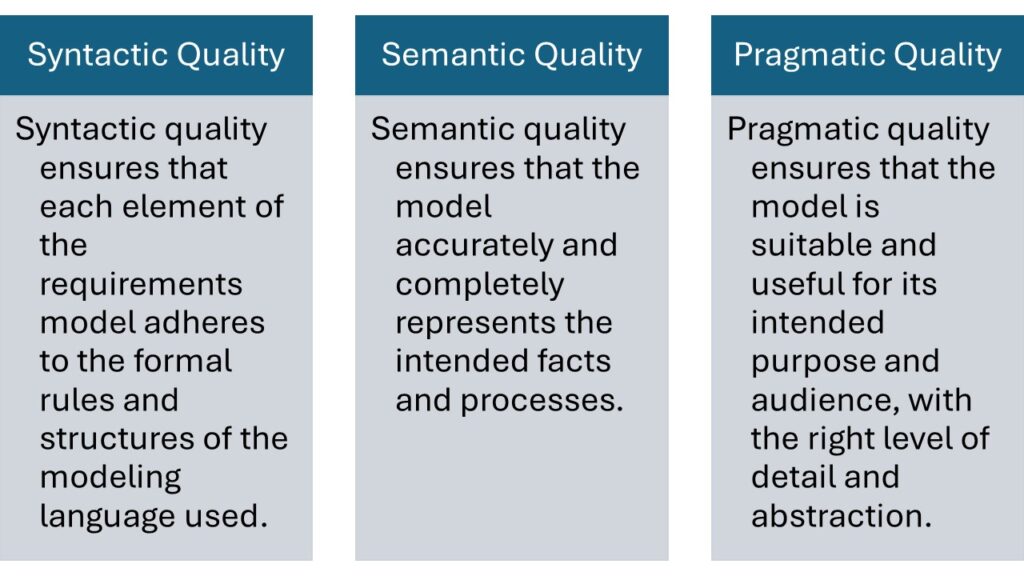
Three-column infographic titled “Syntactic Quality,” “Semantic Quality,” and “Pragmatic Quality,” each with a short explanatory paragraph.

Understanding the Quality Criteria of Requirements Models

When I evaluate the quality criteria of requirements models, I concentrate on three essential dimensions: syntactic, semantic, and pragmatic quality. Each plays a distinct role in determining how clearly and effectively a model communicates information. Syntactic quality ensures correctness of structure, semantic quality secures meaningful content, and pragmatic quality guarantees usability and understanding. Together, they define the overall effectiveness and reliability of any requirements model.

Understanding the Quality Criteria of Requirements Models Read More »

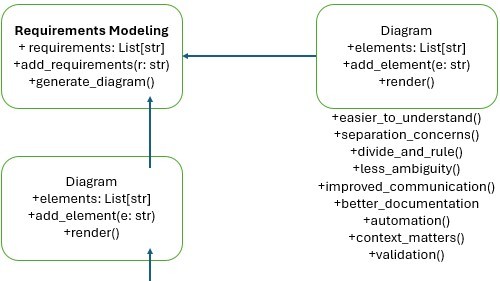
UML-style box diagram showing “Requirements Modeling” and “Diagram” with attributes/methods, plus a right-side “Diagram” box listing multiple benefit-like method names.

The Benefits of Requirements Modeling: Why I Swear by Diagrams

When I first began my career in tech, I focused almost entirely on textual specifications to define requirements. However, as projects grew more complex, I discovered the true benefits of requirements modeling through diagrams. They bring clarity, reveal relationships, and simplify communication across teams. Visualizing requirements not only enhances understanding but also reduces ambiguity and errors. That’s why I now consider diagrams an indispensable part of every successful requirements engineering process.

The Benefits of Requirements Modeling: Why I Swear by Diagrams Read More »

Dark blue tile with an icon and the label “Issues,” plus an ellipsis menu (three dots).

Introduction to Issues in Jira

As a tech enthusiast and frequent user of project management tools, I consider Jira one of the most powerful and flexible platforms available. A key part of Jira’s functionality is its “issues,” which represent tasks, bugs, or user stories within a project. Understanding how to manage them effectively can boost productivity and organization. In this Introduction to Issues in Jira, I’ll explain what issues are, how they work, and share best practices for using them efficiently.

Introduction to Issues in Jira Read More »

Jira header with the Jira logo and a large page heading reading “Your work.”

Exploring the Capabilities of Jira in Project Management

After years in the tech industry, I’ve seen many tools come and go, but Jira always stands out. Whether you’re a project manager or new to the field, you’ve likely heard of it. What makes Jira truly exceptional are the powerful capabilities of Jira that streamline workflows, improve collaboration, and boost productivity. In this guide, I’ll walk you through the key capabilities of Jira and show how it can transform the way you manage projects.

Exploring the Capabilities of Jira in Project Management Read More »

Cropped image showing only the text “SysML Diagrams” on a white background.

What is SysML?

As a requirements engineer and IT business analyst, I’ve always been intrigued by tools that simplify complex system management. One framework that truly stands out is SysML, the Systems Modeling Language. In this introduction to SysML, I’ll explain why it’s essential for bridging hardware and software development. I first used SysML on a project combining both domains, and it completely transformed how I handled system complexity, structure, and communication across all stakeholders.

What is SysML? Read More »

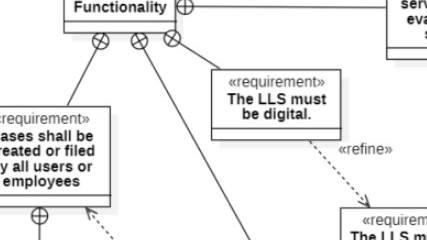
Cropped requirement diagram showing boxes with “«requirement»,” including “The LLS must be digital.” and a dashed arrow labeled “«refine».”

Integrating Textual Requirements in SysML: A Personal Take

When I work with SysML, I value its dedicated way of handling textual requirements. Unlike UML, SysML provides a clear notation to express them and introduces a specific diagram type for this purpose. The SysML requirements diagram stands out because it isn’t bound to structural or behavioral views. Instead, it focuses entirely on defining, organizing, and linking requirements. This independence makes it a powerful tool for maintaining traceability and ensuring consistency across complex system models.

Integrating Textual Requirements in SysML: A Personal Take Read More »

Understanding and Resolving Conflicts in Requirements Elicitation

In computer science, the field of requirements engineering helps us clearly define what a computer program must do before development begins. It ensures that everyone understands the goals, functions, and constraints of the system. However, when different opinions or expectations arise, we face challenges. Learn how to handle these conflicts in requirements elicitation and keep your project on track in this insightful article.

Understanding and Resolving Conflicts in Requirements Elicitation Read More »

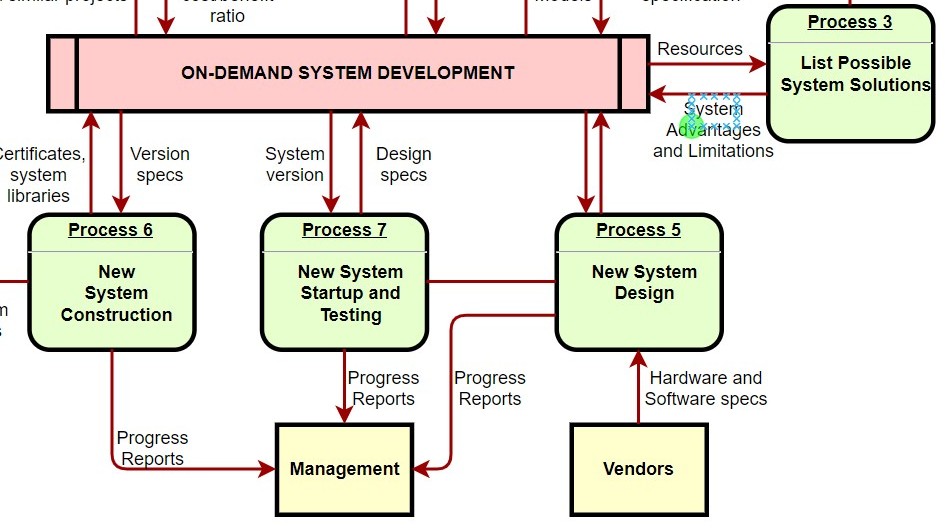
Process-style diagram with a central bar “ON-DEMAND SYSTEM DEVELOPMENT” and green boxes labeled “Process 5,” “Process 6,” “Process 7,” and “Process 3.”

Information Structure, Dynamics, Quality, and Constraints Views in Requirements Modeling

In my work, I often dive deep into the complexities of system development, where clarity and structure are everything. One aspect that continually captures my attention is how different perspectives help organize and interpret requirements effectively. By examining various views in requirements modeling, I can separate functional, structural, and behavioral aspects, making complex systems easier to understand, communicate, and validate across all stakeholders involved in a project’s lifecycle.

Information Structure, Dynamics, Quality, and Constraints Views in Requirements Modeling Read More »

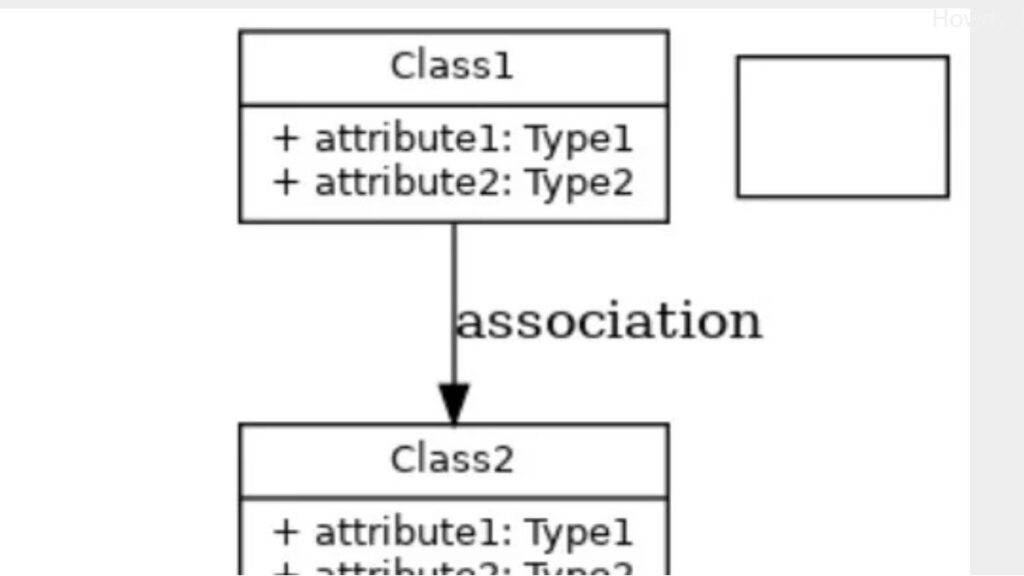
Class diagram snippet with “Class1” and “Class2,” attributes like “+ attribute1: Type1,” and a downward arrow labeled “association.”

Enhancing Requirements Modeling: Adapting UML and SysML with Stereotypes

Adapting and extending a modeling language is essential for precise requirements modeling. UML and SysML provide flexible mechanisms to customize modeling elements. This adaptability allows project-specific or domain-specific concepts to be seamlessly integrated into existing notations. By doing so, models stay both accurate and relevant to real-world systems. To understand this powerful capability, explore how stereotypes in UML and SysML enable tailored extensions for clearer, more meaningful representations.

Enhancing Requirements Modeling: Adapting UML and SysML with Stereotypes Read More »

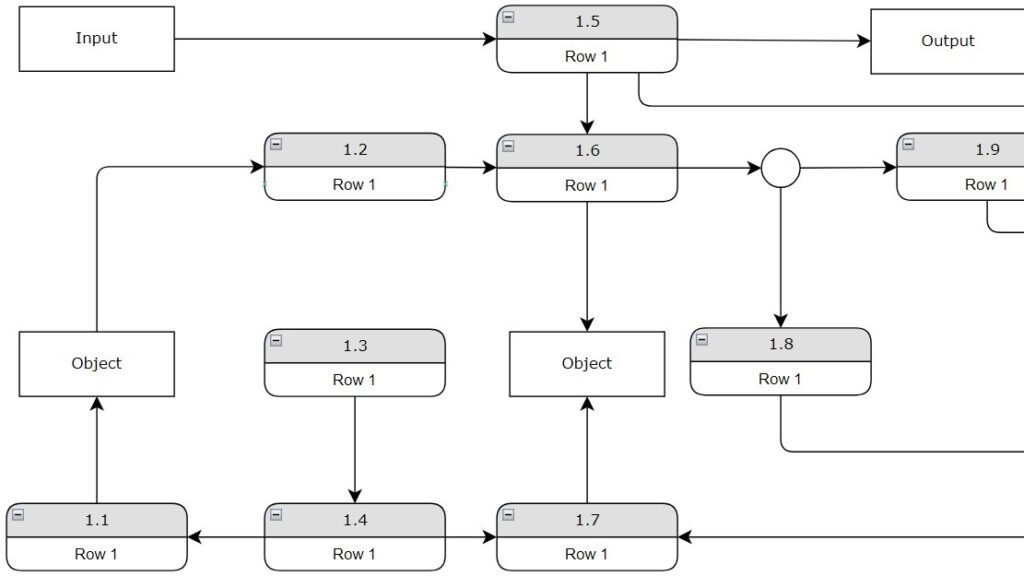
Flow diagram with boxes “Input,” “Output,” and “Object,” plus rounded steps labeled “1.1” to “1.9” each showing “Row 1.”

Unleashing the Power of Dynamic View in Requirements Modeling

When developing a system, understanding its changing behavior over time is essential. The dynamic view in requirements modeling focuses on exactly that. It captures interactions, sequences, and state transitions that reveal how the system reacts to internal and external events. By exploring these dynamic aspects, I can ensure that the modeled system reflects real-world behavior and supports precise, effective requirements engineering practices.

Unleashing the Power of Dynamic View in Requirements Modeling Read More »

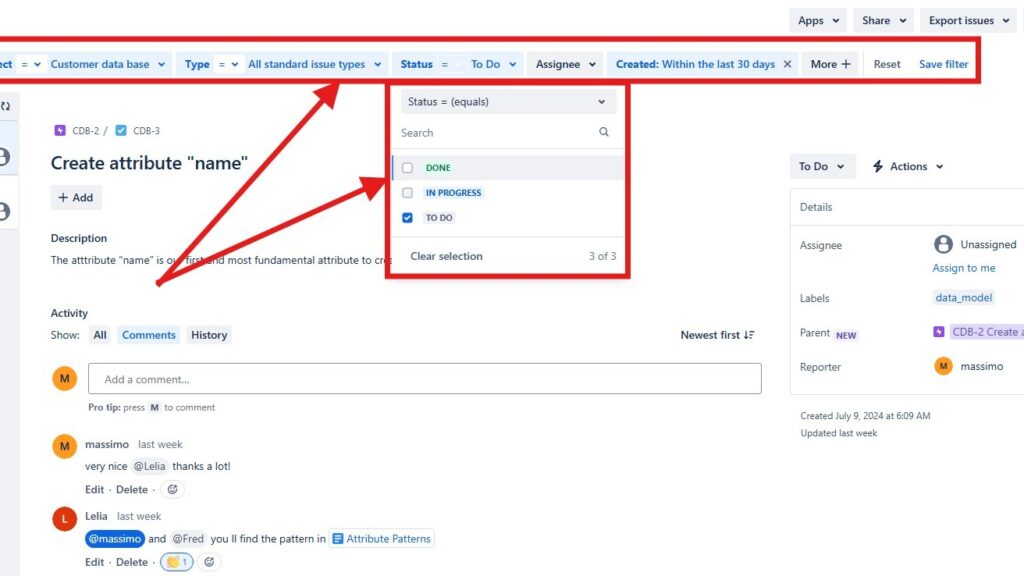
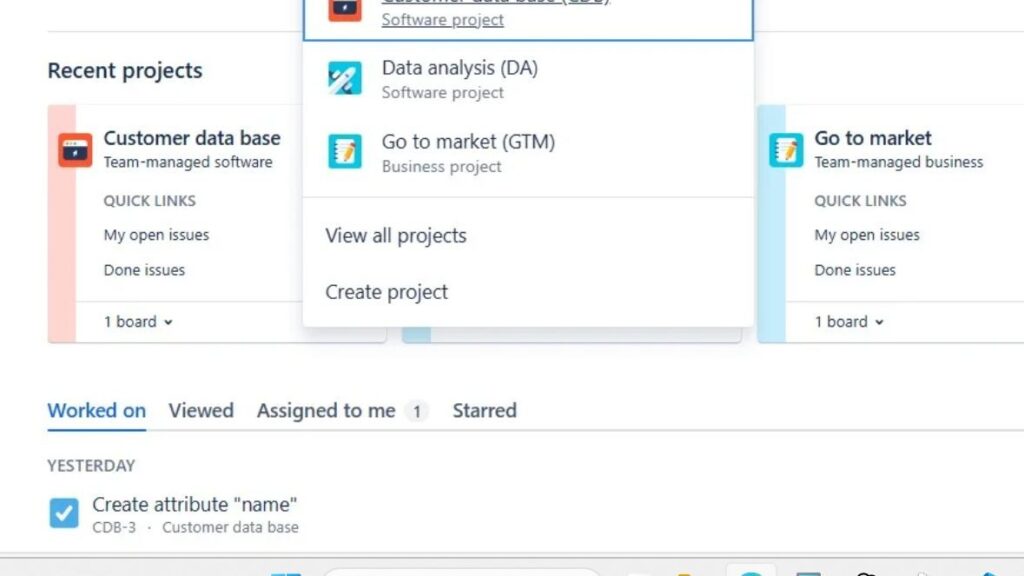
Jira screen showing a project dropdown with items like “Data analysis (DA)” and “Go to market (GTM),” plus “View all projects” and “Create project.”

How to Create a New View in a Jira Project

Learning to create view in Jira can make managing your projects much easier and more efficient. By setting up custom views, you can focus on the tasks, issues, or workflows that matter most to your team. It helps you filter out distractions and gain clear visibility into project progress. In this step-by-step guide, I’ll show you how to create view in Jira and tailor your workspace to match your team’s unique workflow and priorities.

How to Create a New View in a Jira Project Read More »

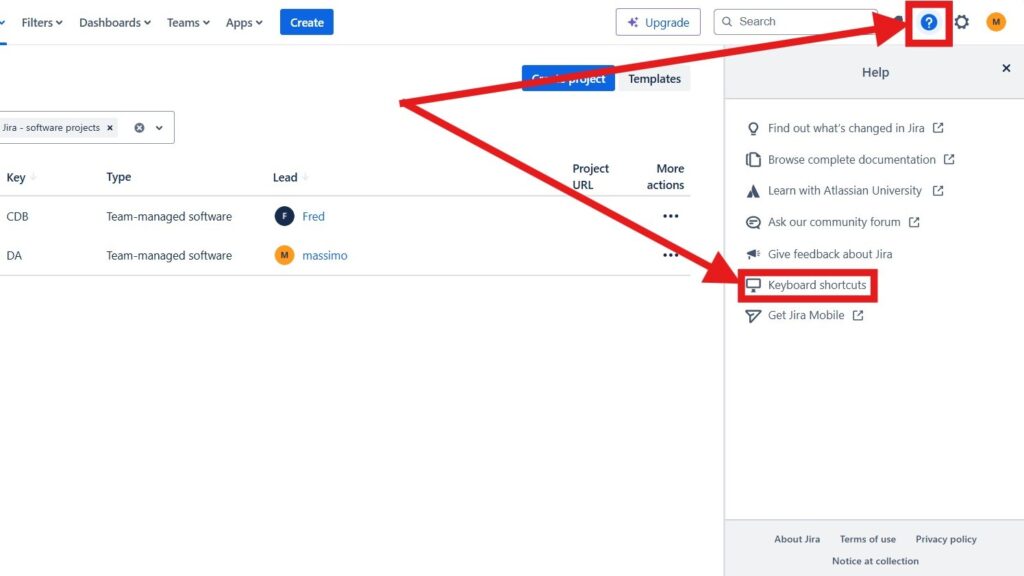
Jira interface with the Help panel open; red arrows point to the question-mark icon and the “Keyboard shortcuts” menu item highlighted in red.

How to Use Shortcuts in Jira to Boost Your Productivity

Jira, Atlassian’s powerful project management tool, is essential for agile teams managing complex workflows. However, navigating its many features can take time. That’s where Jira shortcuts come in—they help you work faster and more efficiently. In this guide, I’ll show you all Jira shortcuts, how to use Jira shortcuts to simplify navigation, speed up task management, and boost productivity. Learn how these quick commands can transform the way you work inside Jira every day.

How to Use Shortcuts in Jira to Boost Your Productivity Read More »

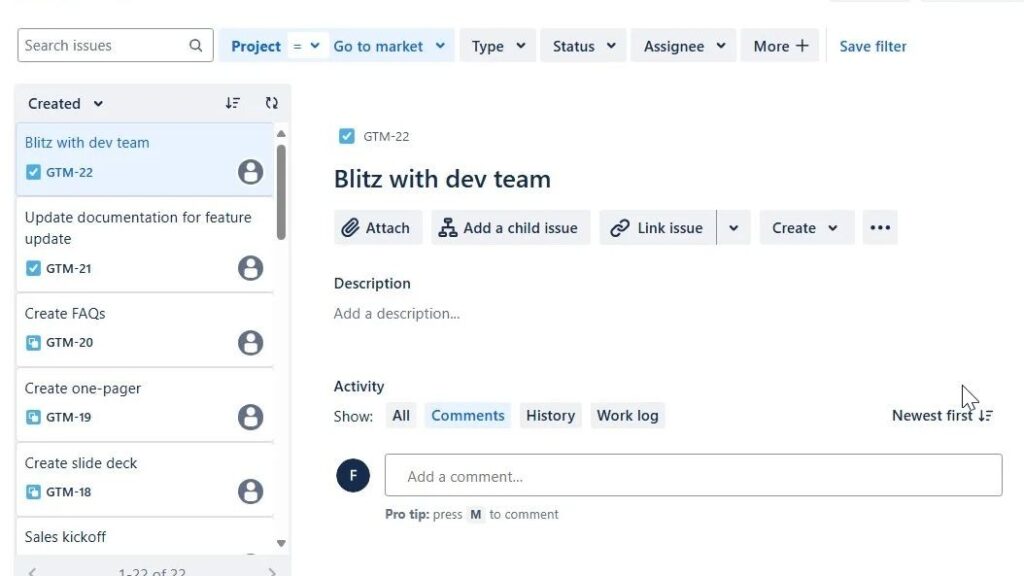
Jira issue view for “Blitz with dev team,” showing buttons like “Attach,” “Add a child issue,” and “Link issue,” with an issue list on the left.

Introduction to Jira Projects: Streamline Your Workflow with Ease

If you want to improve your project management workflow, Jira Projects provide powerful tools to help you plan, organize, and collaborate effectively. In this introduction, I’ll walk you through the key features that make Jira Projects so valuable for teams. You’ll learn how to manage tasks, track progress, and boost efficiency with ease. Let’s explore how Jira Projects can transform your team’s way of working and bring more structure and clarity to every project.

Introduction to Jira Projects: Streamline Your Workflow with Ease Read More »

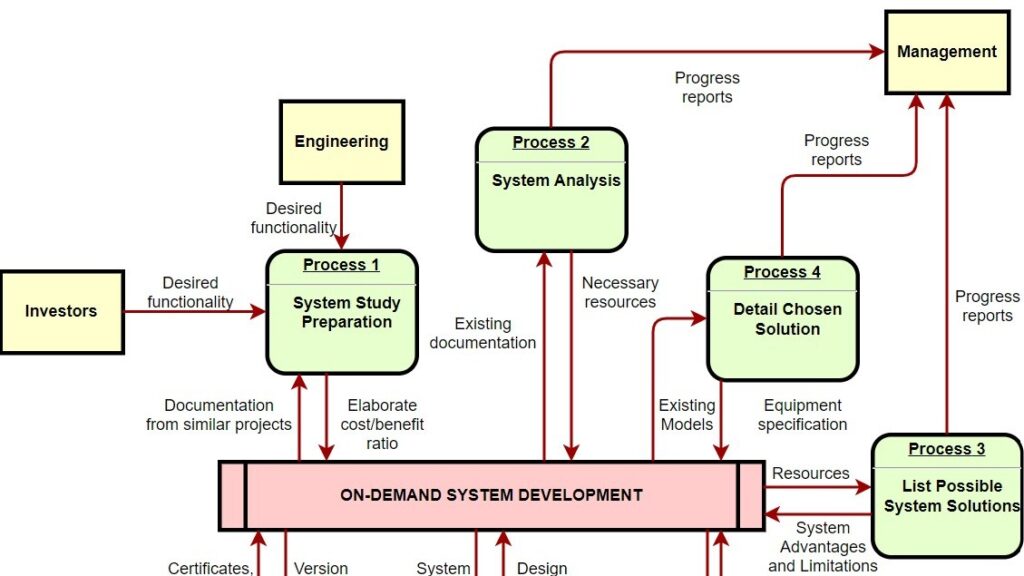
Diagram showing “ON-DEMAND SYSTEM DEVELOPMENT” with surrounding boxes such as “Investors,” “Engineering,” “Management,” and processes labeled “Process 1,” “Process 2,” “Process 3,” and “Process 4.”

Context Modeling in Requirements Engineering

A key challenge in requirements engineering and IT business analysis is understanding the full system context. It’s not just about the software being developed but also about how it interacts with surrounding systems. Knowing their roles, dependencies, and operational environments is essential for defining precise requirements. Effective context modeling helps capture these relationships clearly, ensuring alignment between business needs, technical design, and real-world system behavior.

Context Modeling in Requirements Engineering Read More »

The Importance of Requirements Engineering in IT Systems

In recent years, the significance of IT systems has grown exponentially in the operational framework of businesses, governments, and society as a whole. These IT systems play a pivotal role in facilitating various critical functions, underscoring the paramount importance of their seamless operation. However, the question that looms large is: How can we guarantee their optimal performance? In this article you will read about requirements engineering in IT systems.

The Importance of Requirements Engineering in IT Systems Read More »

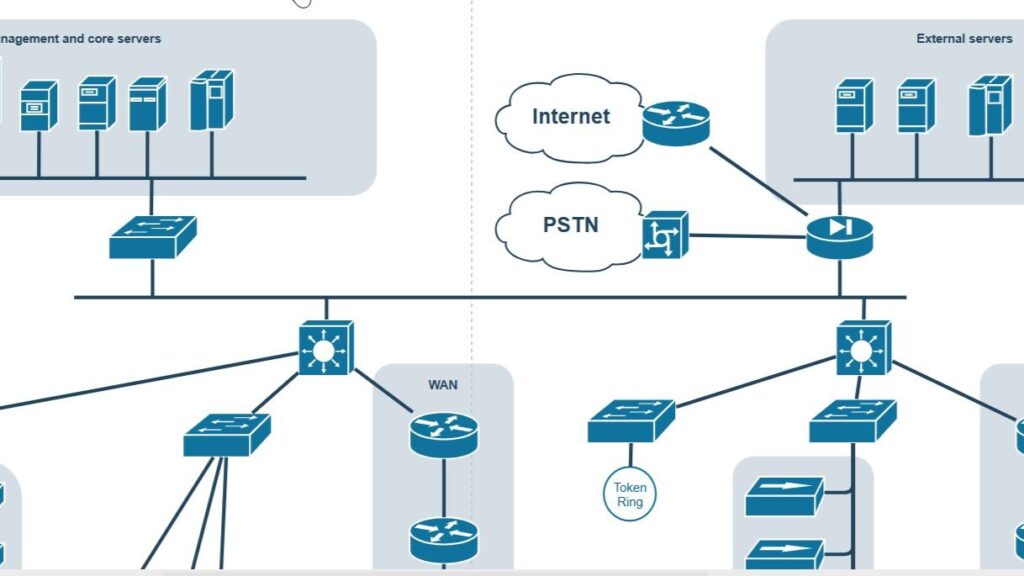
Network diagram with clouds labeled “Internet” and “PSTN,” server icons, and a section labeled “External servers.”

Requirements Modeling vs. Design Models

From my experience with complex systems, distinguishing requirements modeling design models can be difficult. UML and SysML are often used for both, which blurs the boundaries between requirements and design. This overlap can lead to mixed diagrams that reduce clarity. Over time, I’ve developed practical strategies to separate and manage these elements effectively, ensuring that each model serves its specific purpose in guiding development and maintaining project structure.

Requirements Modeling vs. Design Models Read More »

Scroll to Top
WordPress Cookie Plugin by Real Cookie Banner