
Processes define how businesses operate. They shape how products and services reach customers. To stay competitive, we need efficient, well-structured processes. End-to-end (E2E) processes help streamline operations from start to finish, ensuring quality and efficiency.
What is Process Management?
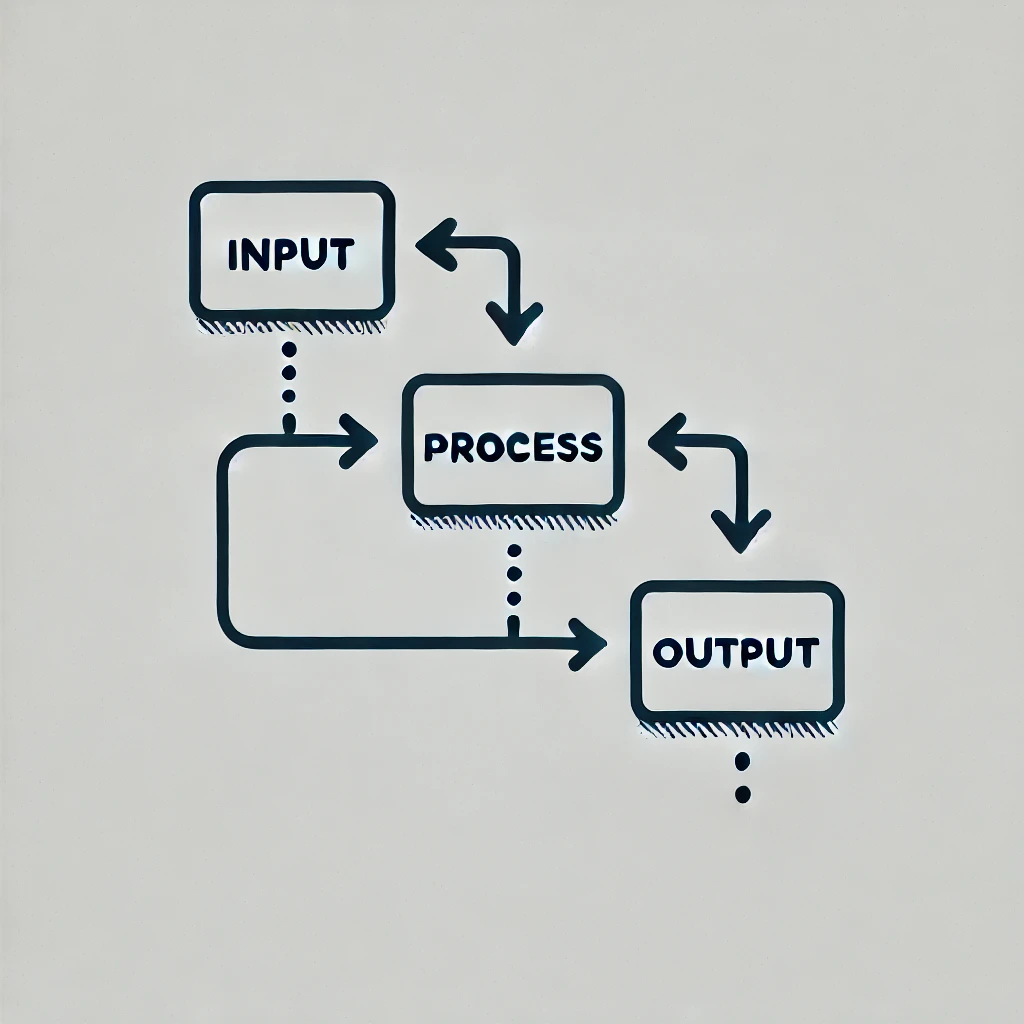
Process management organizes workflows to achieve desired outcomes. It ensures that every step in a process adds value. Different teams, tools, and systems work together to transform inputs into valuable products or services. A well-managed process minimizes delays, reduces errors, and improves customer satisfaction.
Why Do We Need Process Management?
Without proper management, processes become chaotic. Miscommunication, inefficiencies, and bottlenecks slow operations. Process management helps identify gaps, improve coordination, and optimize workflows. This leads to faster delivery, reduced costs, and higher customer satisfaction.
Understanding End-to-End (E2E) Processes
An end-to-end process considers every step from the initial request to the final product or service. The goal is clear: ensure smooth execution with minimal waste. Customers define the process requirements, and businesses must align workflows accordingly.
Key Aspects of E2E Processes
- Customer-Centric Approach
The process starts and ends with the customer. Their expectations set the standards for each step. Every team involved must focus on delivering value. - Cross-Department Collaboration
Different teams contribute to the process. Sales, production, logistics, and customer support must work together. A breakdown in one area affects the entire process. - Efficiency and Optimization
Each step must add value. Redundant activities should be eliminated. Automation can help improve speed and accuracy. - Continuous Monitoring and Improvement
Regularly analyzing the process helps identify weaknesses. Businesses should refine workflows based on feedback and performance metrics.
Business Case: Order Fulfillment Process
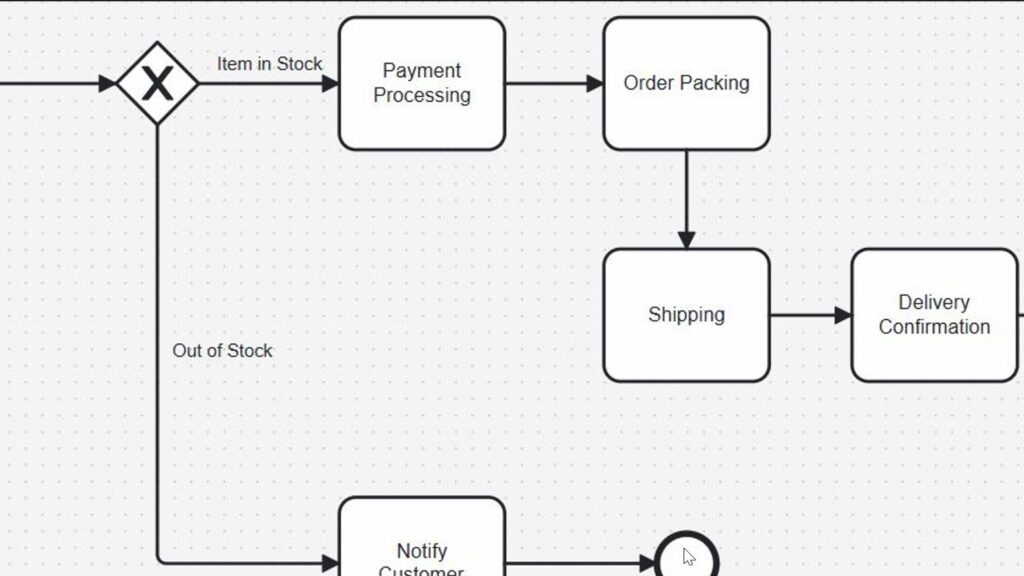
Let’s consider a simple example: an online store’s order fulfillment process.
- Customer places an order (Trigger)
- Payment is processed (Finance checks payment status)
- Warehouse picks and packs the order (Inventory system updates stock levels)
- Shipping department dispatches the package (Tracking details are sent to the customer)
- Customer receives the order (End result)
- Customer provides feedback (Process improvement opportunity)
If one step fails, the whole process suffers. Delays in payment verification can slow shipping. Poor inventory management leads to stockouts. A well-managed E2E process ensures a seamless experience.
Alternative text: BPMN 2.0 diagram showing an end-to-end order fulfillment process. Steps include order placement, payment verification, packaging, shipping, and customer receipt.
Final Thoughts
End-to-end (E2E) processes drive business efficiency. They ensure seamless customer experiences and optimize internal operations. By focusing on customer needs, collaborating across teams, and continuously improving, businesses can achieve operational excellence.
| More on draw.io |
|---|
| Mastering Cut, Copy, Paste, and Delete in draw.io How to Undo or Redo Editing in draw.io How to Exit draw.io How to Close a Draw.io Diagram How to Print a Draw.io Diagram |