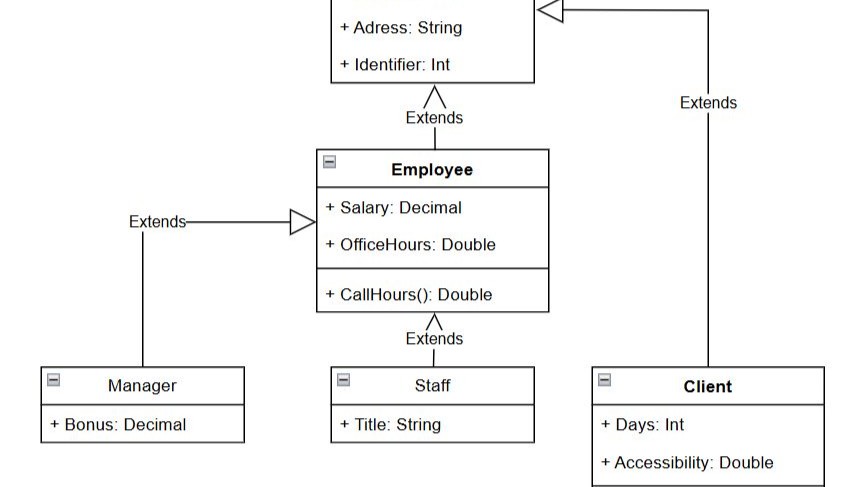

Cropped UML class box titled “Person” listing attributes including “/Age,” “Date of birth [0..1],” and “Client: boolean,” with a dashed «refines» arrow partially visible.

Tips for Requirements Modeling with UML

When working on software projects, applying the right Tips for Requirements Modeling with UML can make all the difference. In my experience, effective modeling depends on clarity, structure, and communication. Using UML diagrams helps visualize complex requirements and align stakeholders. In this article, I’ll share my best Tips for Requirements Modeling with UML, offering practical strategies to make your modeling process more efficient, consistent, and easy to understand.

Tips for Requirements Modeling with UML Read More »

Application Management Function in ITIL Service Operation

ITIL Application Management helps me keep business applications reliable, useful, and high-performing. It supports the full application lifecycle, from design and testing to operation and improvement. When issues occur, this function provides the knowledge needed to analyze application behavior and support problem resolution. In this article, I’ll explain how ITIL Application Management strengthens daily IT service delivery.

Application Management Function in ITIL Service Operation Read More »

Information modeling for existing systems

Discovering Hidden Gems in Existing Systems

When I first discovered Information modeling for existing systems, I was truly intrigued. Existing systems contain valuable insights that can guide the creation of effective information models. These models go beyond theory — they reveal classes, attributes, relationships, and multiplicities hidden in real data. In my experience, using existing systems for information modeling is both challenging and deeply rewarding, as it bridges the gap between legacy knowledge and future design.

Discovering Hidden Gems in Existing Systems Read More »

Understanding the Technical Management Function in ITIL Service Operation

ITIL Technical Management Function helps me manage the technical infrastructure behind reliable IT services. It keeps systems stable, secure, and ready for daily operations. Without it, performance and service quality can quickly suffer. In this article, I’ll explain the function in simple terms, share clear examples, and show how technical expertise strengthens IT service delivery.

Understanding the Technical Management Function in ITIL Service Operation Read More »

Mastering Compatibility: A Requirements Engineer’s Guide to Stakeholder Persuasion

As a Requirements Engineer, I focus on managing relationships that shape every project’s success. One key factor is Stakeholder Compatibility—how personalities and behaviors align to support collaboration. Understanding traits like agreeableness helps build trust and reduce conflict. In this article, I’ll explore Stakeholder Compatibility and show how it strengthens communication and persuasion in Requirements Engineering.

Mastering Compatibility: A Requirements Engineer’s Guide to Stakeholder Persuasion Read More »

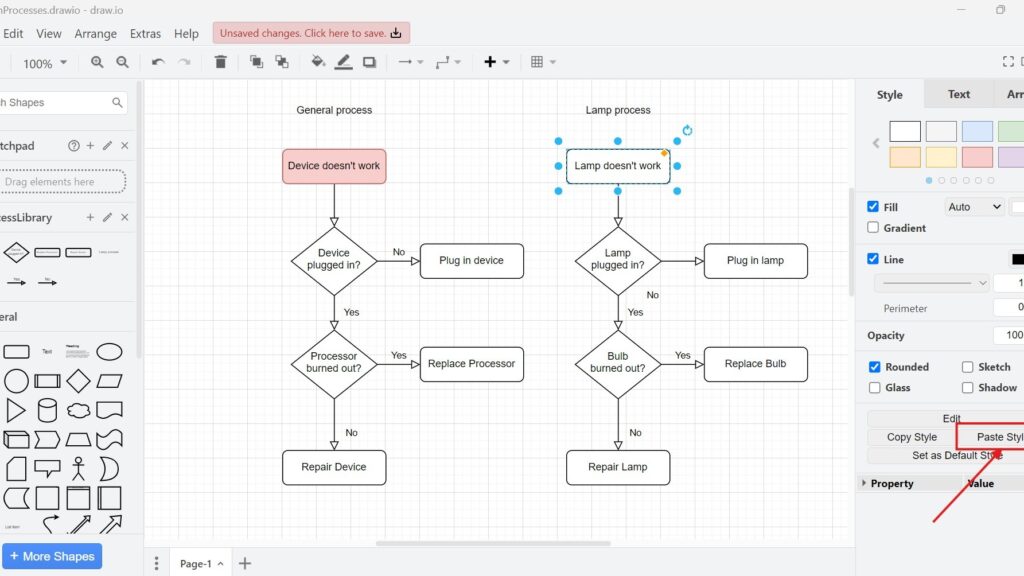
Draw.io canvas with a selected group of elements and the Layers panel showing “Outside Network Layer” and “Main Layer.”

How to Use Layers in draw.io

Layers help me organize complex diagrams in draw.io. They let me show, hide, and separate different parts of a diagram. In this guide, I explain how to use layers in draw.io with a practical example. You’ll learn how layers improve visibility, support focus, and make larger diagrams easier to understand.

How to Use Layers in draw.io Read More »

Beyond Boundaries: The Role of Openness in Requirements Engineering

As a Requirements Engineer, I work in complex software projects where features must match real user and stakeholder needs. Openness in Requirements Engineering helps me welcome new ideas, question assumptions, and support better collaboration. Therefore, I can encourage creativity, improve solutions, and guide projects with more flexibility and confidence.

Beyond Boundaries: The Role of Openness in Requirements Engineering Read More »

Common Service Operation Activities in ITIL Service Operation

ITIL Service Operation activities help me keep IT services stable, reliable, and efficient. They include monitoring, control, console management, and infrastructure management. Each activity supports smooth daily operations and business needs. In this article, I’ll explain how these activities work and why they matter for consistent performance and user satisfaction.

Common Service Operation Activities in ITIL Service Operation Read More »

Handling Stress as a Requirements Engineer: Lessons from Neuroticism

As a Requirements Engineer and IT Business Analyst, I face challenges that test logic, empathy, and emotional balance. Neuroticism Requirements Engineers helps me explore how sensitivity affects stress, communication, decisions, and growth. Therefore, I can understand pressure better, strengthen collaboration, and work with more awareness in complex projects.

Handling Stress as a Requirements Engineer: Lessons from Neuroticism Read More »

Beyond Code: Leveraging the Biopsychosocial Model in Requirements Engineering

As a Requirements Engineer and IT Business Analyst, I need to understand users from several angles. The Biopsychosocial Model in Requirements Engineering helps me connect biological, psychological, and social factors. Therefore, I can see stakeholder needs more clearly, improve user alignment, and create stronger requirements for better project outcomes.

Beyond Code: Leveraging the Biopsychosocial Model in Requirements Engineering Read More »

Scroll to Top
WordPress Cookie Plugin by Real Cookie Banner