
Object Name, State, and Behavior in Object-Oriented Programming

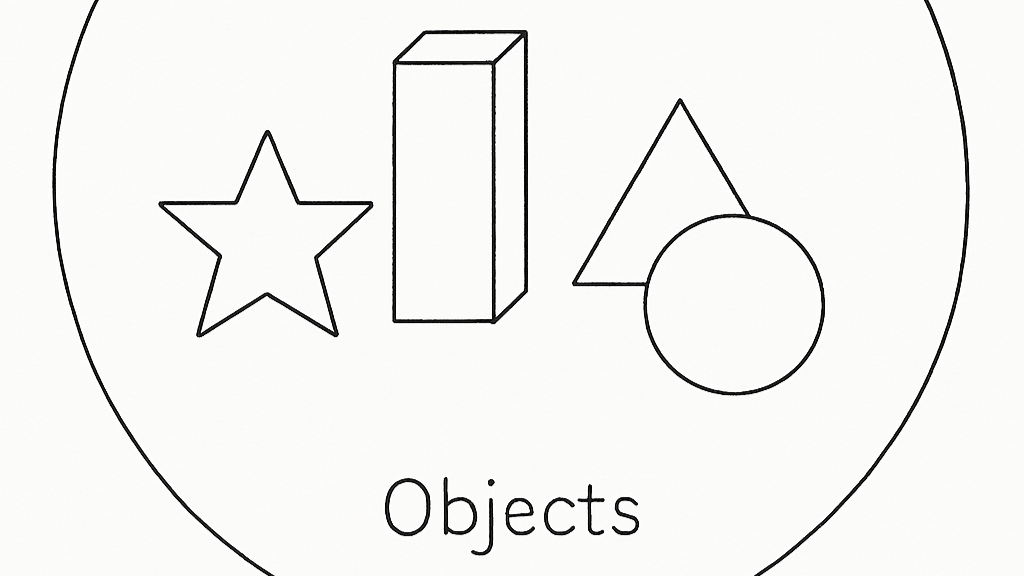
In software development, I strive to model the real world effectively. One of my strongest tools is object orientation—it turns complex problems into clear, structured models. But first, we must ask: what defines an object? I focus on three key aspects—object name, status, and object behavior. These elements bring systems to life and make them understandable. In this article, I’ll share how I think about objects and use their behavior to design better, more realistic software systems.

Object Name, State, and Behavior in Object-Oriented Programming Read More »

Waterfall vs. Agile Testing: Which One Fits Your Project Best?

Choosing the right testing strategy can define a project’s success. I’ve seen both sides — times when everything follows a clear sequence and others when adaptability is key. That’s where the waterfall vs agile testing debate truly matters. In this article, I’ll compare both approaches, explain how they work, and show when to use each for maximum impact. Understanding their strengths and trade-offs helps ensure your testing process stays efficient, flexible, and aligned with project goals.

Waterfall vs. Agile Testing: Which One Fits Your Project Best? Read More »

Why Software Bugs Happen – And What We Can Do About It

Software development is never flawless — I’ve learned that through experience. No matter how precise we try to be, software bugs still find their way in. But what truly causes them, and how can we minimize their impact? In this article, I’ll uncover the main reasons behind software defects, from human errors to complex system interactions. I’ll also show how effective testing helps detect and resolve these issues early, preventing failures and ensuring more stable, reliable software products.

Why Software Bugs Happen – And What We Can Do About It Read More »

3 Ways to Read Nonverbal Conflict Signals in Requirements Elicitation

In the complex world of human interaction, understanding gestures and expressions is like decoding a hidden language. As a Body Language Requirements Engineer, I know communication goes far beyond words. Reading subtle signals helps me sense emotions, intentions, and unspoken conflicts. In my work as an IT Business Analyst, mastering body language is not just helpful — it’s essential for resolving misunderstandings and building trust during every phase of a project.

3 Ways to Read Nonverbal Conflict Signals in Requirements Elicitation Read More »

Why Test Software: A Practical Guide to Better Code

I always start a new project by asking one key question: Why test software? The answer may seem simple, but its impact runs deep. Testing does far more than just find bugs. It ensures reliability, security, and performance from the start. Through systematic testing, I can detect issues early, reduce risks, and deliver higher-quality products. In this article, I’ll explain why testing is essential and how it can completely transform the way we build and maintain software systems.

Why Test Software: A Practical Guide to Better Code Read More »

Software Testing Process: A Complete Guide

When I begin any project, I know quality never happens by chance — it’s carefully planned. That’s why the software testing process is so important. It’s not random clicking but a structured, methodical approach to ensure reliability. In this article, I’ll explain how I apply and refine the testing process, from validation to verification and beyond. You’ll see how effective testing uncovers defects early, safeguards quality, and keeps a client satisfied without wasting time or resources.

Software Testing Process: A Complete Guide Read More »

The Complete Test Concept Guide

When I start a new software project, I define my test concept early. It’s more than a habit—it’s a smart strategy that ensures structured, scalable, and reliable testing. Without a clear concept, even simple plans can collapse into confusion: test cases get lost, roles overlap, and bugs go unnoticed. In this article, I’ll explain how I design a complete test concept, what key chapters it should include, and how this structure builds the foundation for efficient and high-quality software testing.

The Complete Test Concept Guide Read More »

The Role of Body Language in Requirements Engineering

As a Requirements Engineer and IT Business Analyst, I must understand and express stakeholder needs clearly. Effective communication goes beyond spoken words. Body Language in Requirements Engineering helps me see the full picture in meetings, interviews, and analysis. Therefore, I can notice hidden signals, reduce misunderstandings, and improve requirements work with more awareness.

The Role of Body Language in Requirements Engineering Read More »

What Is Test Management? A Clear Guide for Modern Software Teams

When I first began working on software projects, I assumed testing happened only at the end. I quickly learned how wrong that was. True quality depends on planning and organization from the start. That’s why understanding what is test management is so important. It ensures testing is structured, efficient, and aligned with project goals. In this article, I’ll explain why test management matters, how it works in practice, and which tools can make the entire process more effective.

What Is Test Management? A Clear Guide for Modern Software Teams Read More »

Object-Oriented Thinking: What Are Objects?

Object-oriented design has always fascinated me because it feels so natural and intuitive. Everything I encounter—whether physical or abstract—can be seen as an object with its own properties and behavior. That’s the real strength of this approach. It helps me divide complex systems into smaller, understandable units. In this article, I’ll guide you step by step through the idea of objects in object-oriented design and show how they shape clear, maintainable, and scalable solutions.

Object-Oriented Thinking: What Are Objects? Read More »

Cropped class-style diagram with a box labeled “ Interface,” listing fields and methods, plus dashed dependency arrows to other partially visible boxes.

Object-Oriented Elicitation: Requirements in Complex Systems

When I begin a software project, I don’t just write code—I ask questions to understand the real world behind the system. This becomes crucial when I work in unfamiliar domains, like developing software for a dental clinic. In such cases, object-oriented elicitation is my key approach. It helps uncover, organize, and refine requirements for effective system design. By applying object-oriented elicitation, I can turn complex real-world details into clear, structured, and actionable models.

Object-Oriented Elicitation: Requirements in Complex Systems Read More »

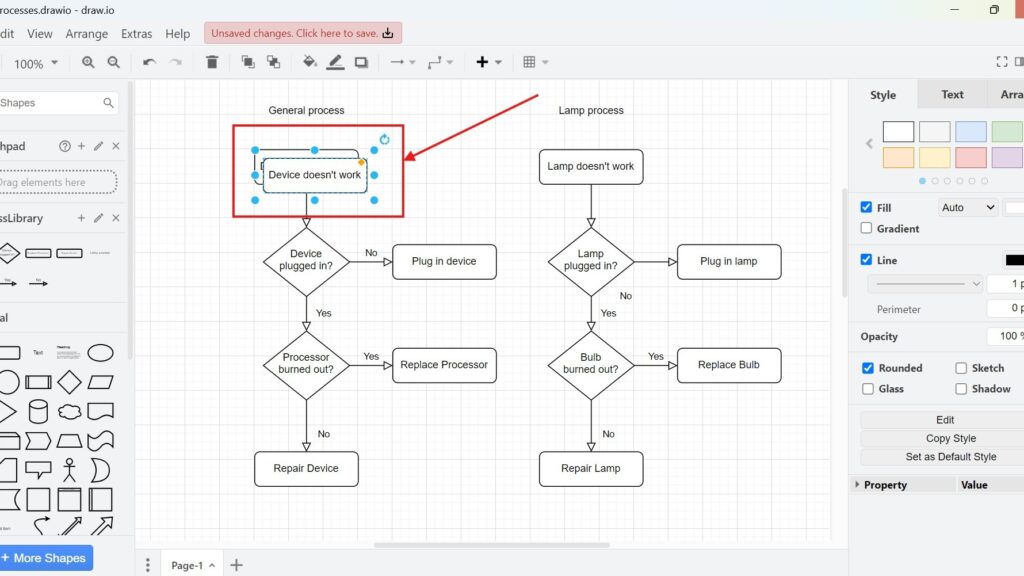
draw.io editor showing two flowcharts; the “Device doesn’t work” box is selected and outlined in red with a red arrow pointing at it.

How to Duplicate in draw.io

Duplicating saves time when I build diagrams in draw.io. It lets me reuse shapes, labels, and layouts without copying and pasting in separate steps. In this article, I explain How to duplicate in draw.io in a clear and practical way. You’ll learn how duplication works and why it helps you create diagrams faster, especially under tight deadlines.

How to Duplicate in draw.io Read More »

Cropped black-and-white diagram with vertical partitions showing “Action”, “Object”, and “Note” elements connected by arrows and thick black bars.

Object-Oriented Thinking: A Practical Approach to Modeling Complex Systems

Today, object-oriented thinking defines how we design systems and build software. I use it every day and see its importance growing. From Java to C++, this mindset shapes how modern applications work. But object-oriented thinking goes far beyond coding—it changes how we analyze problems and model real-world scenarios. In this article, I’ll explain what object-oriented thinking really means, why it matters, and how it helps create smarter, more adaptable systems.

Object-Oriented Thinking: A Practical Approach to Modeling Complex Systems Read More »

Scroll to Top
WordPress Cookie Plugin by Real Cookie Banner