All Modeling Articles

Articles on requirements modeling here. Modeling captures and documents needs. It analyzes stakeholder expectations clearly. Testable specs reduce misunderstandings, risks. Modeling supports design and testing. Techniques vary by project type. Use cases describe user interactions. Entity-relationship diagrams model data. Data flow diagrams model information. Stories map agile product functionality. State diagrams show dynamic behavior. Challenges include complexity and change. Robust models guide successful implementation.

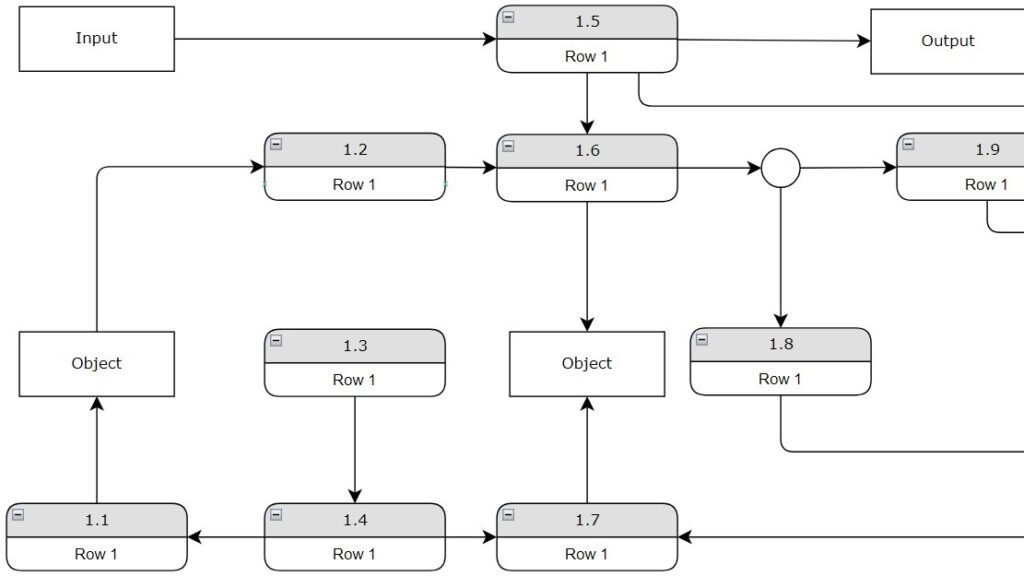
Cropped diagram with yellow rounded rectangles labeled “Activity” connected by red arrows, including two arrows pointing in opposite directions between two activities.

Understanding the Function Principle of Object-Orientation

The function principle of object-orientation defines how we model systems to mirror real-world interactions. It shifts our focus from separate tasks or data toward cohesive entities known as objects. Each object combines behavior, state, and communication into one logical unit. This approach enables modular, flexible, and maintainable software designs that grow naturally with system complexity, making development more intuitive and efficient.

Understanding the Function Principle of Object-Orientation Read More »

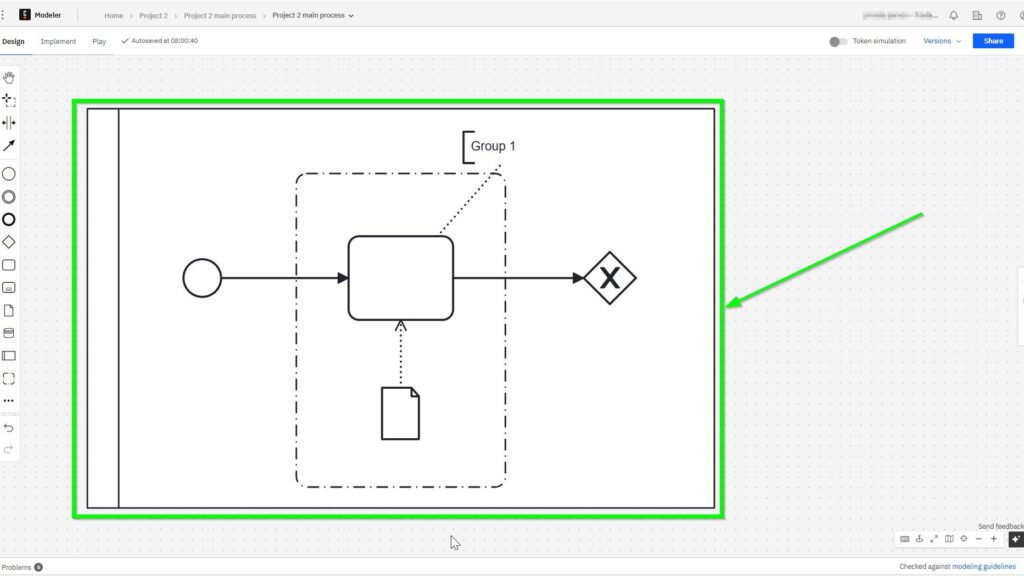
Cropped black-and-white diagram with vertical partitions showing “Action”, “Object”, and “Note” elements connected by arrows and thick black bars.

Discover the Power of Object-Oriented Thinking

Today, object-oriented thinking defines how we design systems and build software. I use it every day and see its importance growing. From Java to C++, this mindset shapes how modern applications work. But object-oriented thinking goes far beyond coding—it changes how we analyze problems and model real-world scenarios. In this article, I’ll explain what object-oriented thinking really means, why it matters, and how it helps create smarter, more adaptable systems.

Discover the Power of Object-Oriented Thinking Read More »

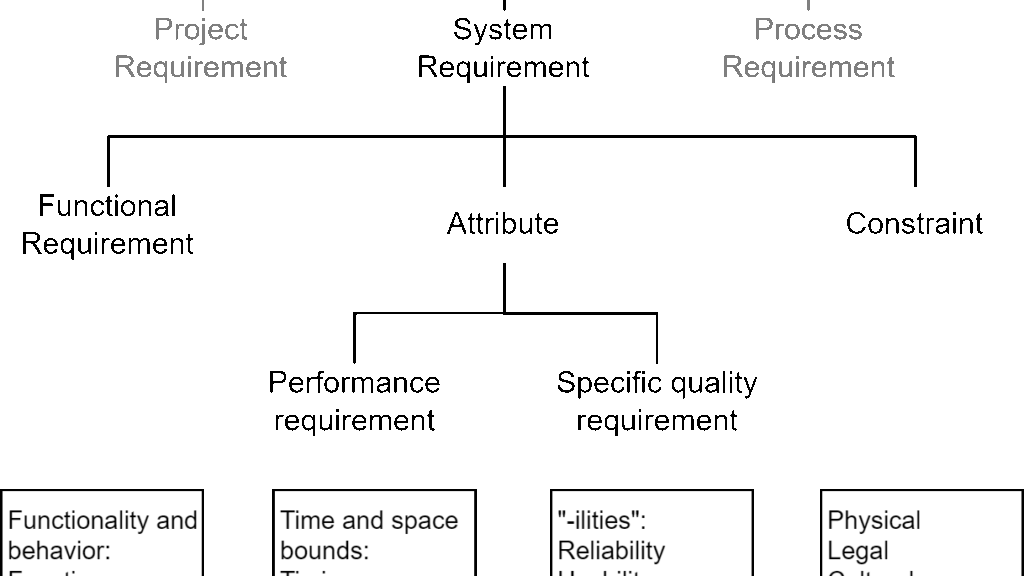
Black graphic with the headings “Project Requirement” and “Process Requirement” and several cut-off white category boxes at the bottom.

Model Based Requirements Validation: Ensuring Software Quality with Precision

Have you ever launched a project and found major flaws late in development? I’ve been there, and it’s frustrating. That’s why Model Based Requirements Validation is so valuable. It helps detect issues early by verifying that requirements models truly match stakeholder expectations. This approach not only prevents costly errors but also strengthens collaboration and improves software quality. Let’s explore how Model Based Requirements Validation turns early insights into lasting project success.

Model Based Requirements Validation: Ensuring Software Quality with Precision Read More »

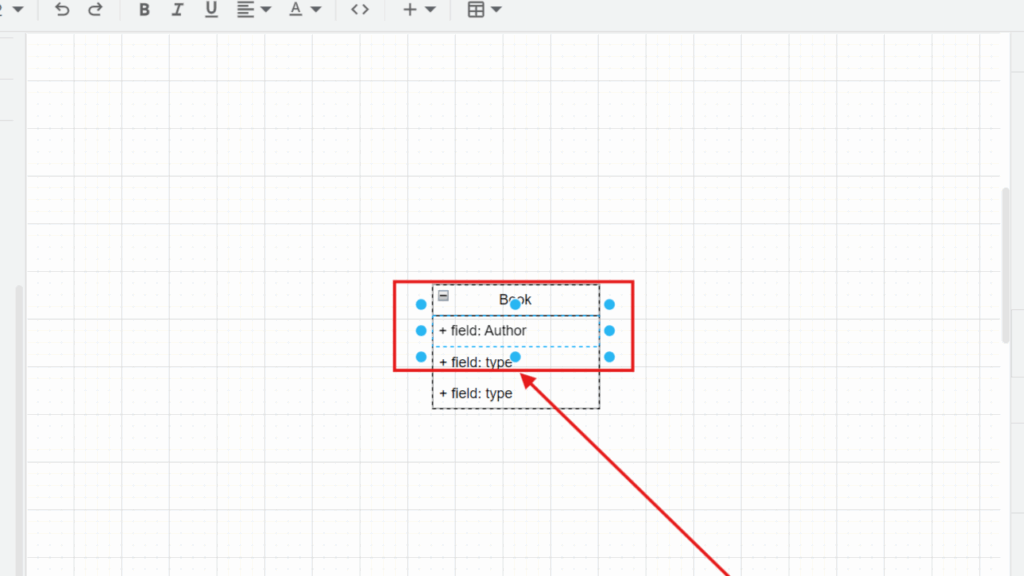
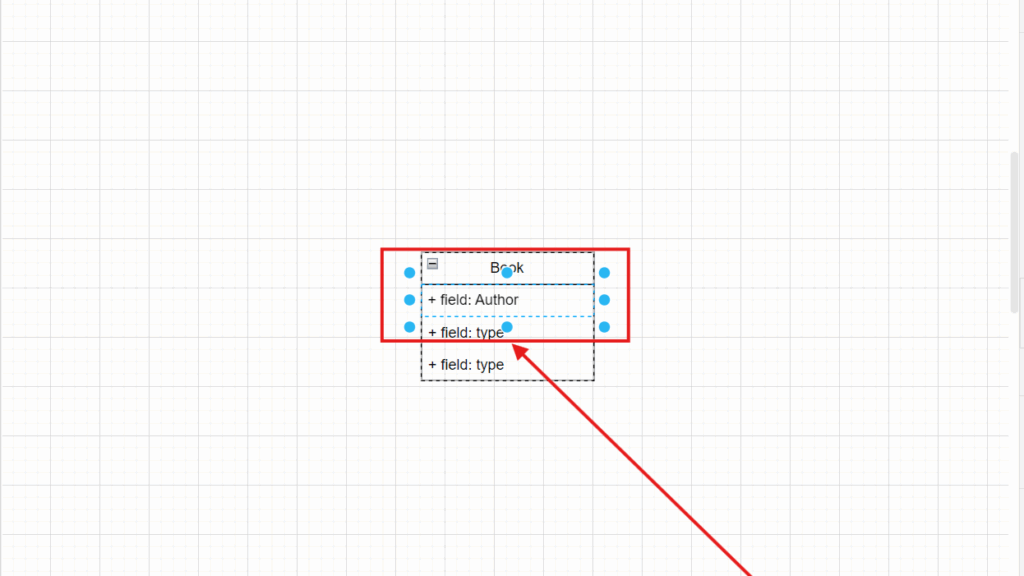
Selected “Book” box showing lines like “+ field: Author” and “+ field: type,” highlighted by a red frame and arrow.

Model UML Class Attributes in draw.io

Have you ever wondered how to visualize complex systems? UML diagrams make it easy to represent structures, especially when you want to show class attributes. In this article, I’ll walk you through modeling UML class attributes in draw.io step by step. By the end, you’ll be able to create clean and organized diagrams that bring clarity to your designs.

Model UML Class Attributes in draw.io Read More »

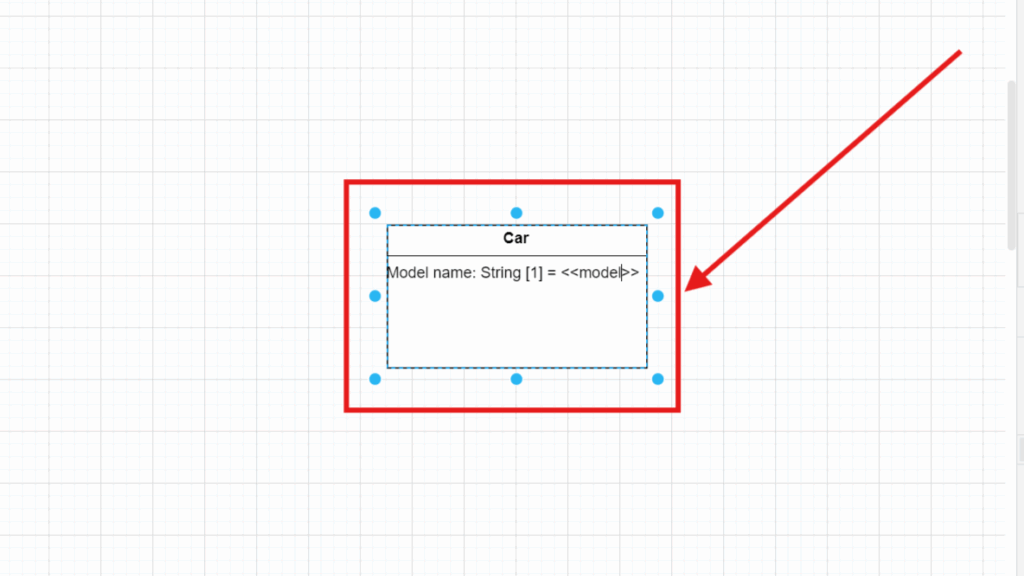
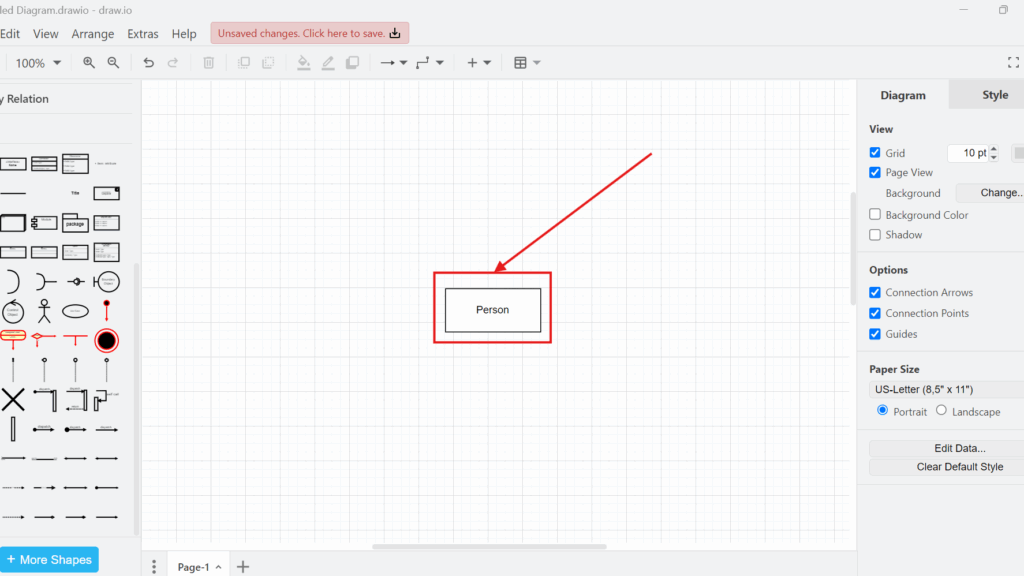
Box labeled “Person” highlighted with a red rectangle and a red arrow pointing to it.

Model UML Classes in draw.io

Modeling UML classes in draw.io helps me understand complex systems more clearly. I can structure information, show objects, and explain relationships in a visual way. In this article, I show why draw.io works well for UML modeling and guide you step by step through creating UML classes in draw.io.

Model UML Classes in draw.io Read More »

Partial use-case style diagram showing actors labeled “Sensor” and “Operator” linked to ovals like “Update thresholds,” “Show detailed info,” and “Acknowledge alarm.”

Requirements Modeling with Dynamic Views

When developing a system, understanding requirements is essential. It’s like constructing a house — the blueprint must come first. I’ve learned that dynamic views in requirements modeling are powerful for illustrating how a system behaves over time. They reveal interactions, processes, and reactions between components. By using dynamic views, we gain a deeper understanding of system logic and performance. Let’s explore how this approach brings models to life and connects design with real behavior.

Requirements Modeling with Dynamic Views Read More »

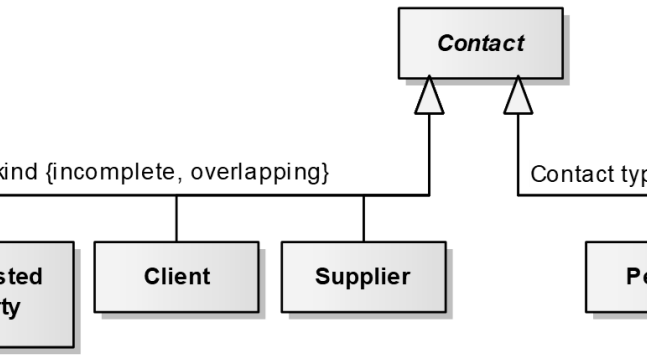
Cropped class diagram snippet with a box labeled “Contact” above boxes including “Client” and “Supplier”, plus text “kind {incomplete, overlapping}”.

Understanding UML Generalization and Specialization

UML (Unified Modeling Language) is a powerful tool for modeling complex systems, and one of its most useful concepts is UML generalization and specialization. These ideas help organize and simplify relationships by showing how broader classes can share common traits with more specific ones. In this article, I’ll explain how UML generalization and specialization work in practice, using clear examples and a real business case to make these concepts easy to understand and apply.

Understanding UML Generalization and Specialization Read More »

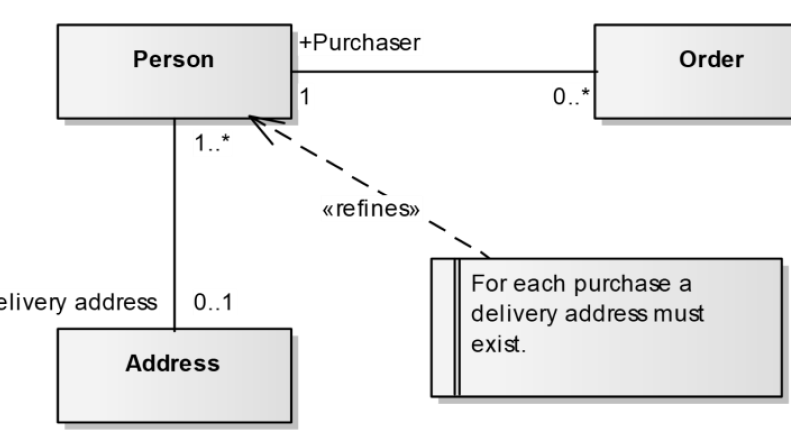
Cropped class diagram with “Person”, “Order”, and “Address”, multiplicities (1, 0.., 1.., 0..1), and a note saying “For each purchase a delivery address must exist.”

4 Practical Tips for UML Modeling – Making Your Diagrams Speak for Themselves

Creating UML diagrams can seem overwhelming at first, but with the right approach, it becomes much easier. In this article, I’ll share practical tips for UML modeling to help you create clear and meaningful diagrams. These tips for UML modeling focus on avoiding common mistakes, improving consistency, and enhancing communication across teams. By following them, you’ll gain confidence in turning complex ideas into structured visual models that truly represent your system.

4 Practical Tips for UML Modeling – Making Your Diagrams Speak for Themselves Read More »

Cropped diagram showing a box labeled “Route” connected to “Starting Point,” “Destination,” and a partially visible “Place of …” with diamond markers and multiplicities.

What are UML Aggregation and Composition?

As a requirements engineer, I often explore the depth of UML and how it visualizes system connections. Understanding what are UML aggregation and composition is essential for modeling effective “part/whole” relationships. These concepts show how one class can include or depend on another, helping us design systems with clear structure and hierarchy. In this article, I’ll explain what are UML aggregation and composition and how they make complex systems easier to understand.

What are UML Aggregation and Composition? Read More »

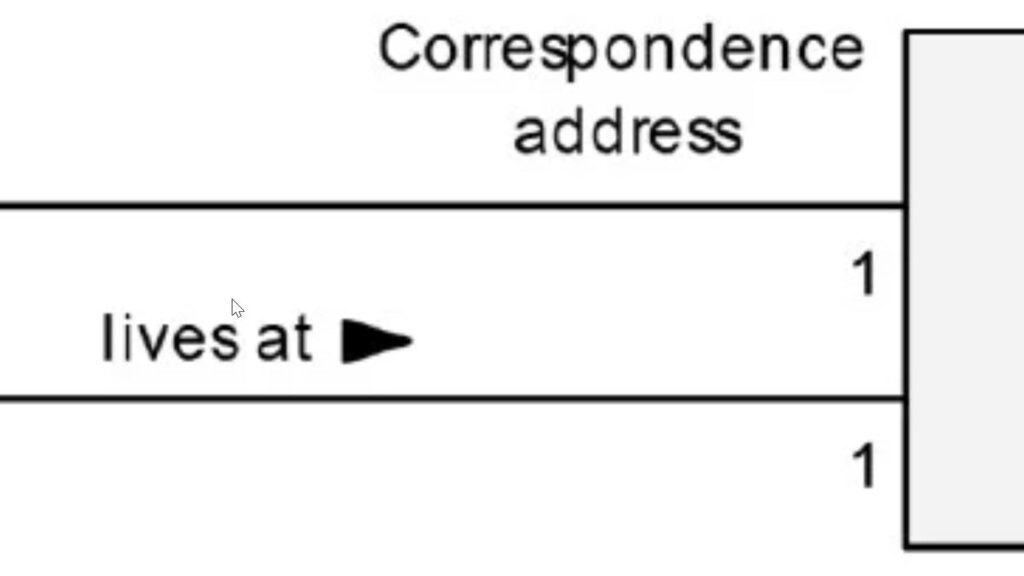
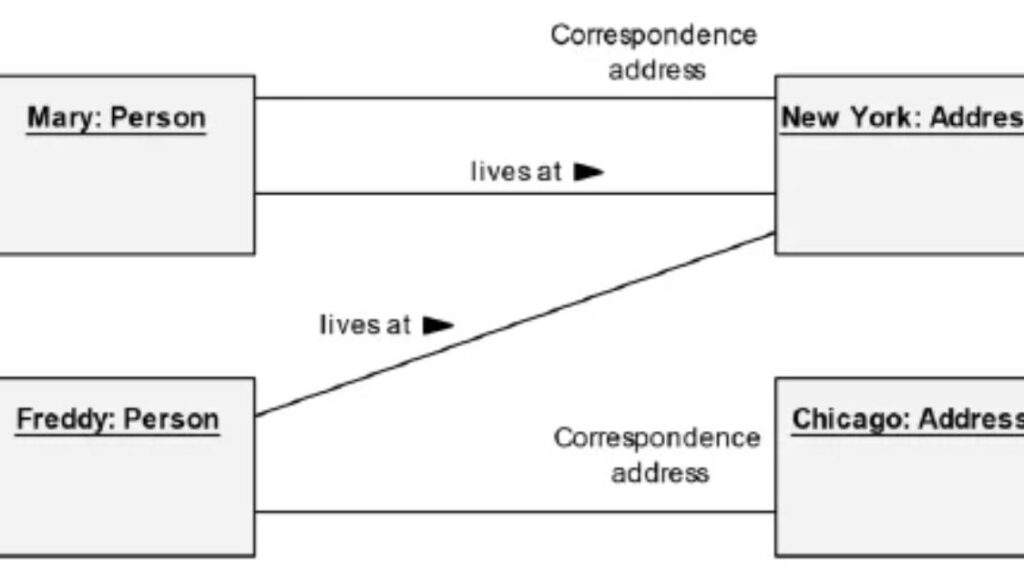
Cropped diagram snippet showing the label “Correspondence address” and a relationship text “lives at” with a small black triangular marker.

How to Determine Simple UML Relationships with Heuristics

At first, learning how to determine simple UML relationships can seem challenging, but with the right approach, it becomes much clearer. By applying a few practical heuristics, you can easily identify how classes and objects connect within your model. In this article, I’ll explain how to determine simple UML relationships step by step, using real examples and scenarios that make the process intuitive and effective for building a structured, meaningful class diagram.

How to Determine Simple UML Relationships with Heuristics Read More »

Diagram showing “Mary: Person” and “Freddy: Person” linked to “New York: Address” and “Chicago: Address,” with labels “lives at” and “Correspondence address.”

Modeling Simple UML Relationships

In my experience as a tech blogger, Simple UML Modeling Relationships often appear more complex than they really are. The good news is, they’re easy to grasp once you understand the basics. These relationships define how classes and objects connect within a system, forming the backbone of clear and logical models. In this article, I’ll explain how Simple UML Modeling Relationships work, provide examples, and show why mastering them is essential for effective software design.

Modeling Simple UML Relationships Read More »

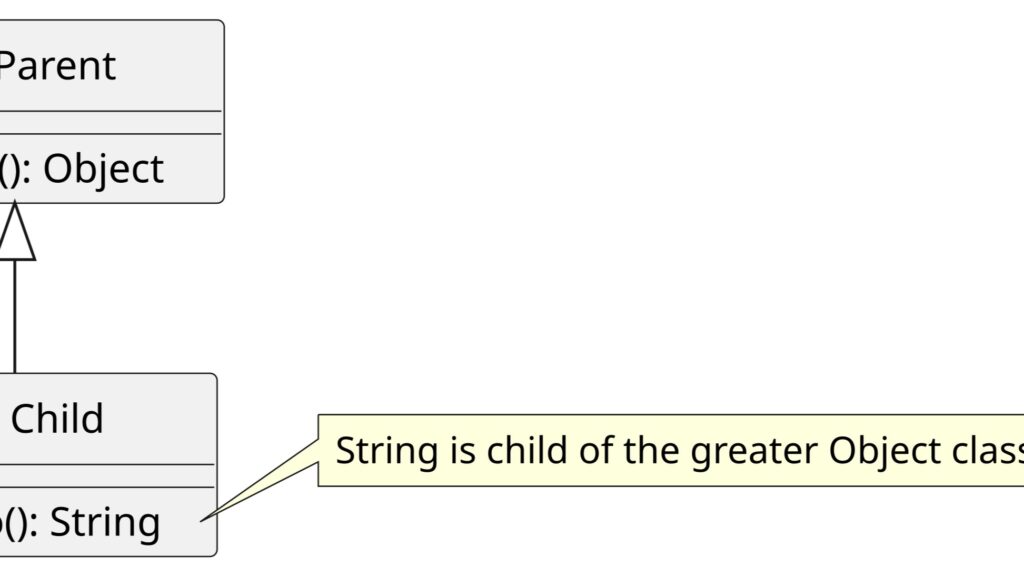
Cropped inheritance diagram showing “Parent” and “Child” class boxes connected by a generalization arrow, with a callout reading “String is child of the greater Object clas…” (text truncated).

Heuristics for Determining Data Types

As a data modeler, requirements engineer, and IT business analyst, I’ve learned that choosing the right data types is both strategic and creative. It’s not only about technical accuracy but also about ensuring long-term stability as projects evolve. Complex data structures can make this task challenging, but heuristics for determining data types make it manageable. In this guide, I’ll share practical insights and examples to help you apply these heuristics effectively in your own projects.

Heuristics for Determining Data Types Read More »

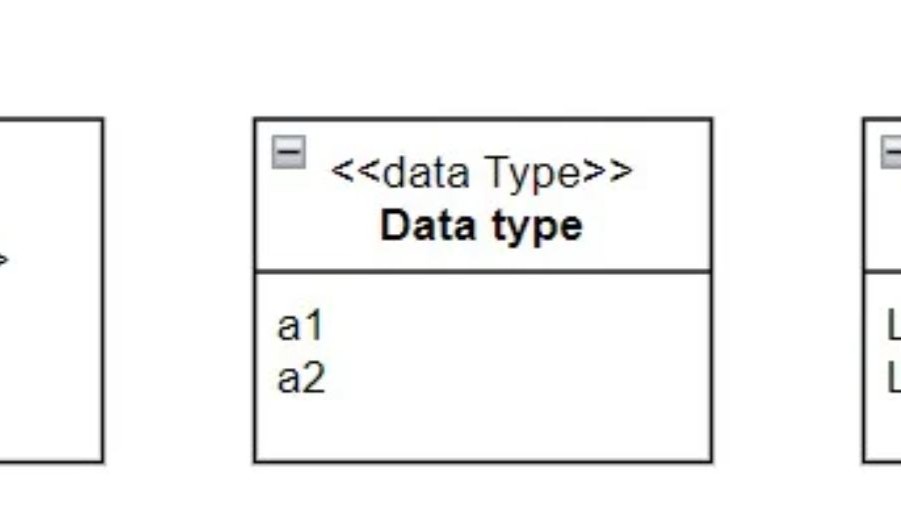
Box labeled “ Data type” with entries “a1” and “a2,” plus a small minus icon in the top-left.

UML Data Types: Simplifying Complex Concepts

When working with UML, understanding UML structured data types is essential for clear and consistent modeling. Data types define which values a model can use, ensuring precision and preventing confusion. UML includes three main categories: primitive, structured, and enumerations. Primitive types handle basic elements like text or numbers, while UML structured data types describe complex objects. Enumerations define fixed value sets. Comparing them reveals how each supports different modeling needs.

UML Data Types: Simplifying Complex Concepts Read More »

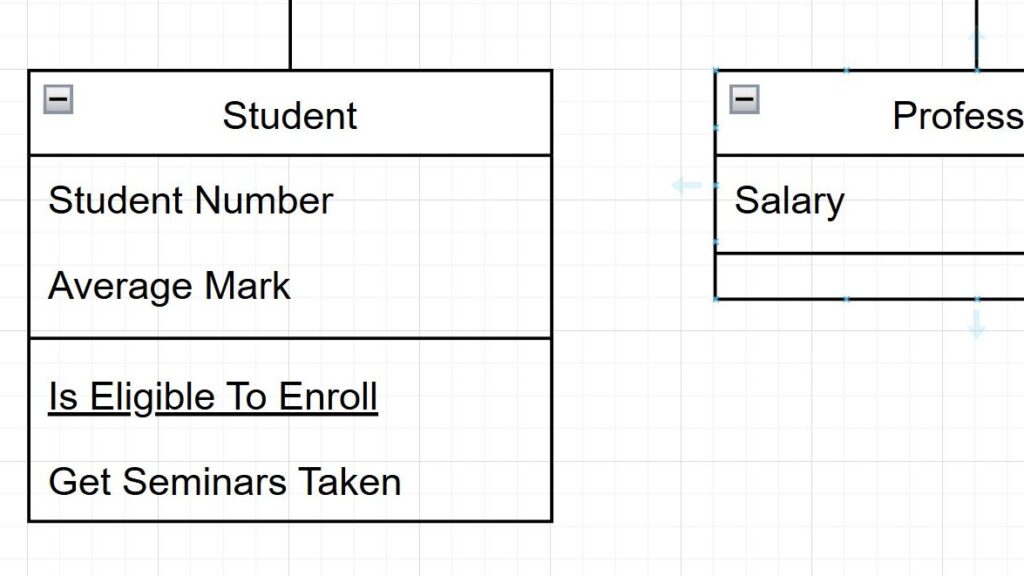
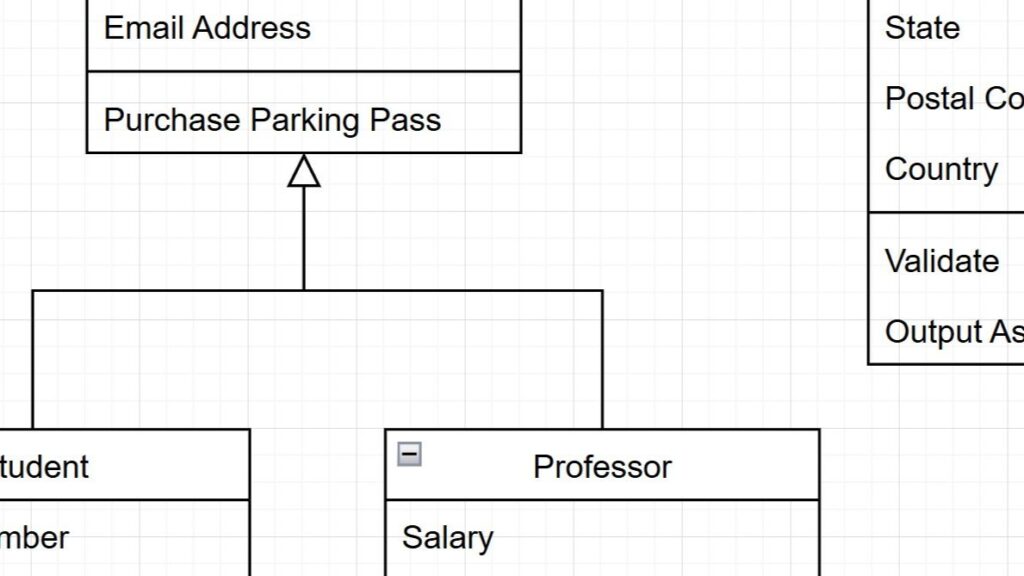
Class box titled “Student” listing “Student Number” and “Average Mark,” with underlined “Is Eligible To Enroll” and “Get Seminars Taken”; partial “Professor” box on the right.

Heuristics for Determining Attributes

When working in object-oriented design, identifying the right attributes can seem challenging at first. But with the right guidance, it becomes much simpler. Heuristics for determining attributes provide practical rules to distinguish between classes and their properties, ensuring a clear and consistent model. These heuristics help refine system structure and improve design quality. In this article, I’ll share my personal approach to applying heuristics for determining attributes effectively.

Heuristics for Determining Attributes Read More »

Scroll to Top
WordPress Cookie Plugin by Real Cookie Banner