All Modeling Articles

Articles on requirements modeling here. Modeling captures and documents needs. It analyzes stakeholder expectations clearly. Testable specs reduce misunderstandings, risks. Modeling supports design and testing. Techniques vary by project type. Use cases describe user interactions. Entity-relationship diagrams model data. Data flow diagrams model information. Stories map agile product functionality. State diagrams show dynamic behavior. Challenges include complexity and change. Robust models guide successful implementation.

Partial class diagram with a generalization arrow and boxes containing text like “Email Address,” “Purchase Parking Pass,” and a cropped box listing “State,” “Postal Co…,” and “Country.”

What Are UML Class Attributes? A Quick Guide

When exploring UML (Unified Modeling Language), understanding the concept of an UML Class Attribute is essential. They define the properties or characteristics of a class and describe what information each object will hold. In short, UML Class Attributes give structure and meaning to your models. They transform abstract ideas into concrete data representations. Let’s take a closer look together and see how mastering UML Class Attributes can make your system designs clearer and more effective.

What Are UML Class Attributes? A Quick Guide Read More »

Small “Book” class-style box with fields including “+ field: Author” and “+ field: type,” highlighted by a red rectangle and red arrow.

Identifying Classes (2): with Objects, Roles, and Functions

When building software, it’s essential to break a system into clear, manageable parts. One of the most important steps is identifying classes that represent the system’s core structure. While it may seem challenging at first, a structured approach makes it much easier. By analyzing objects, their roles, and their functions, we can systematically identify meaningful classes. In this article, I’ll guide you through a practical and effective method to make identifying classes both logical and intuitive.

Identifying Classes (2): with Objects, Roles, and Functions Read More »

Boxes labeled “Person” and “Car” on the left, with multiple named boxes on the right (e.g., “Sally Brown,” “Jim Wiener,” and “Car1 belonging to Sally Brown”).

Identifying Classes (1): A Heuristical Approach

When exploring software development, one crucial task is identifying classes that form the system’s foundation. At first, this can feel complex, but with the right mindset, it becomes clear and intuitive. By focusing on real-world elements and their relationships, we can uncover the classes that define structure and behavior. In this article, I’ll guide you through a simple, practical approach to identifying classes, using relatable examples to make the process easy to understand and apply.

Identifying Classes (1): A Heuristical Approach Read More »

draw.io editor screenshot with a centered box labeled “Person,” highlighted by a red rectangle and a red arrow.

Understanding the Syntax and Semantics of UML Classes

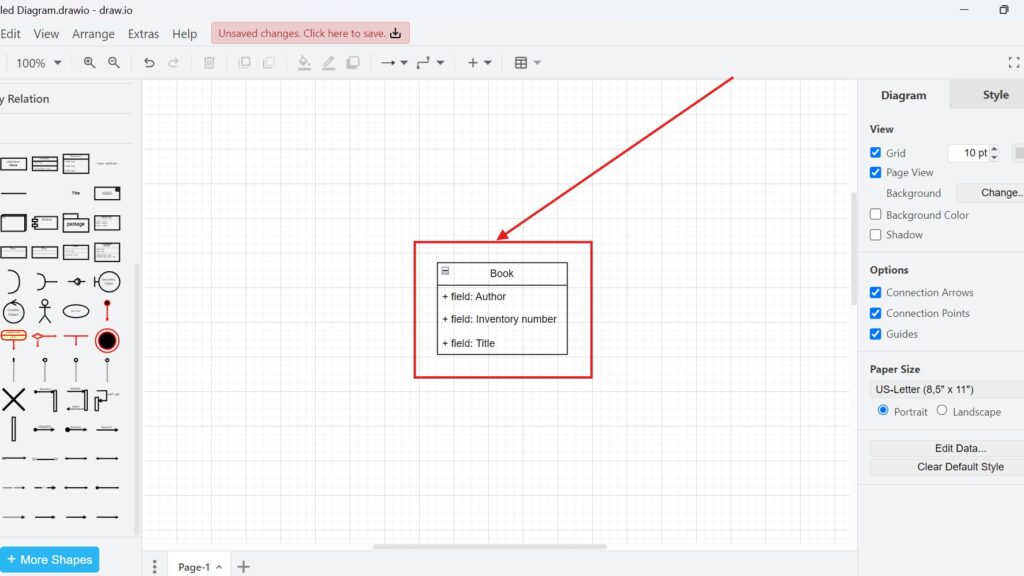
When I work with UML diagrams, I always pay close attention to the syntax and semantics of UML classes. They define how each element is structured and how it behaves within the model. Getting the syntax and semantics of UML classes right ensures that every diagram communicates clearly and accurately. This precision is vital in requirements modeling, where consistency and meaning turn abstract ideas into actionable system designs that teams can understand and build upon effectively.

Understanding the Syntax and Semantics of UML Classes Read More »

draw.io editor showing a “Book” box with “+ field: Author,” “+ field: Inventory number,” and “+ field: Title,” highlighted in red with an arrow.

Understanding UML Classes and Objects: A Practical Guide

When working on software projects, getting the structure right from the beginning is essential for long-term success. One concept I rely on in requirements modeling is UML, the Unified Modeling Language. Within it, UML classes and objects form the foundation of effective system design. They define how elements relate, interact, and behave within a system. By understanding UML classes and objects, we can model real-world scenarios clearly and create software that’s both logical and maintainable.

Understanding UML Classes and Objects: A Practical Guide Read More »
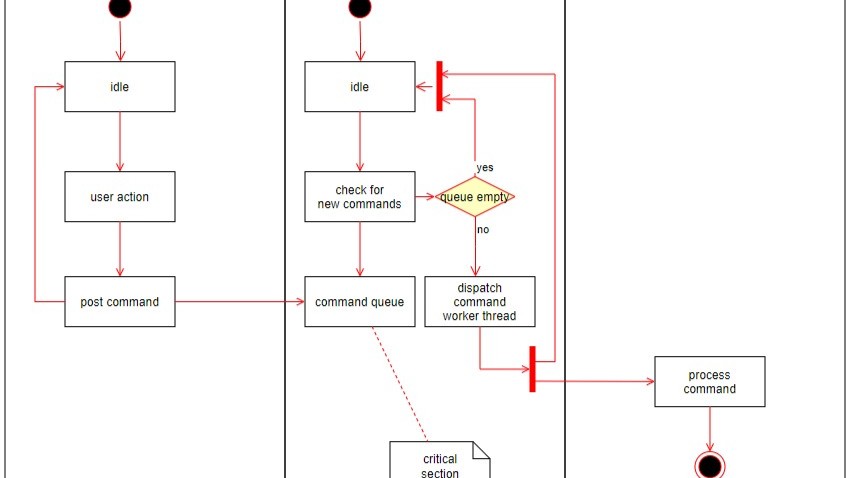
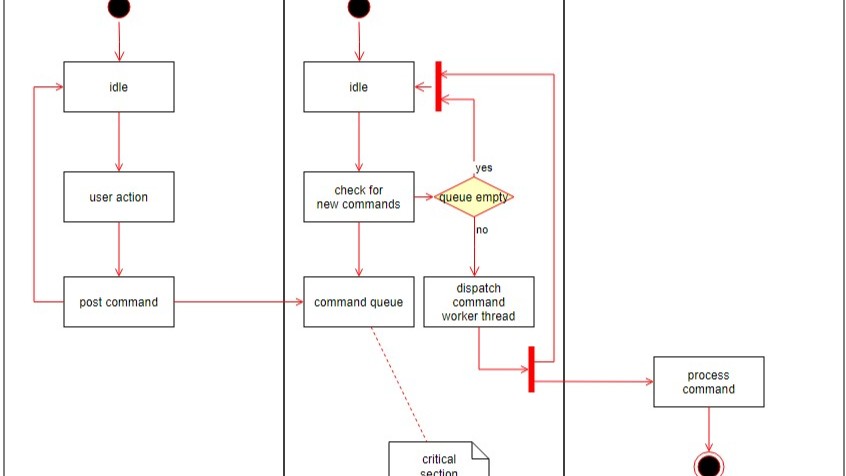
Partial multi-lane flow diagram with steps “idle”, “user action”, “post command”, “check for new commands”, “command queue”, decision “queue empty”, and “process command” connected by red arrows.

Unlocking the Power of Information Structure Modeling

When I think about creating a system that runs seamlessly, one thing becomes clear — structure matters. True clarity starts with how we organize and represent data. That’s where information structure modeling comes in. It might sound complex at first, but it’s a real game-changer. By modeling information structures effectively, we turn abstract data into meaningful relationships that drive smarter design, improve communication, and make every part of the system work in harmony.

Unlocking the Power of Information Structure Modeling Read More »

Partial class-style diagram with a box listing “Name,” “Phone Number,” “Email Address,” and “Purchase Parking Pass,” plus related boxes “Student” and “Professor.”

The Context Diagram

I often get asked, “What is a Context Diagram?” As a tech enthusiast, I love explaining it. A context diagram defines a system’s scope and shows what lies inside or outside its boundaries. It clarifies how the system interacts with an external **entity**. While classic Structured Analysis diagrams are rare today, modern tools like UML use case or component diagrams can serve the same role, even simple tables if they include the essential elements.

The Context Diagram Read More »

Cropped process-flow diagram with a central diamond shape connected by arrows to multiple rectangles across horizontal swimlane-like separators.

What is Context Modeling?

As a requirements engineer and IT business analyst, I’ve often asked myself, what is context modeling and why does it matter so much? In essence, context modeling is about understanding the environment in which a system operates. It identifies external systems, interfaces, and human roles that interact with the system under development. When dealing with complex or critical projects, defining this context becomes vital for ensuring proper integration, clarity, and alignment across all stakeholders.

What is Context Modeling? Read More »

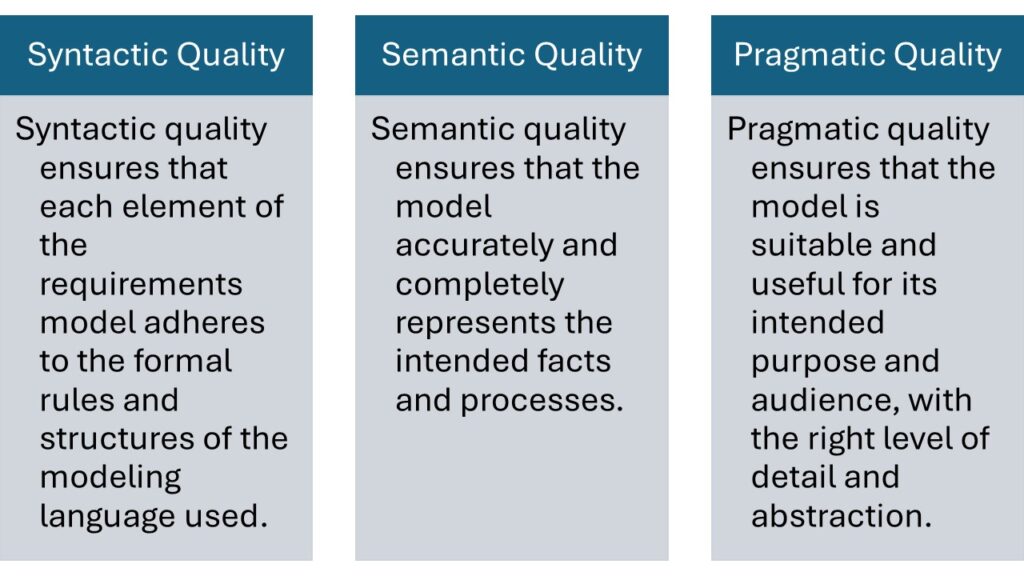
Three-column infographic titled “Syntactic Quality,” “Semantic Quality,” and “Pragmatic Quality,” each with a short explanatory paragraph.

Understanding the Quality Criteria of Requirements Models

When I evaluate the quality criteria of requirements models, I concentrate on three essential dimensions: syntactic, semantic, and pragmatic quality. Each plays a distinct role in determining how clearly and effectively a model communicates information. Syntactic quality ensures correctness of structure, semantic quality secures meaningful content, and pragmatic quality guarantees usability and understanding. Together, they define the overall effectiveness and reliability of any requirements model.

Understanding the Quality Criteria of Requirements Models Read More »

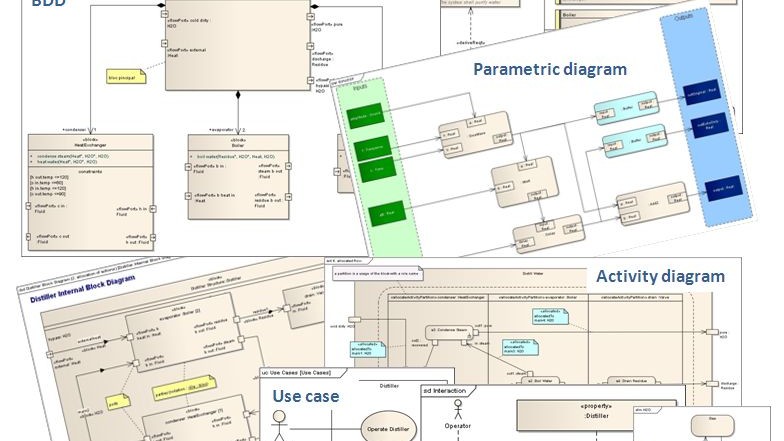
UML-style box diagram showing “Requirements Modeling” and “Diagram” with attributes/methods, plus a right-side “Diagram” box listing multiple benefit-like method names.

The Benefits of Requirements Modeling: Why I Swear by Diagrams

When I first began my career in tech, I focused almost entirely on textual specifications to define requirements. However, as projects grew more complex, I discovered the true benefits of requirements modeling through diagrams. They bring clarity, reveal relationships, and simplify communication across teams. Visualizing requirements not only enhances understanding but also reduces ambiguity and errors. That’s why I now consider diagrams an indispensable part of every successful requirements engineering process.

The Benefits of Requirements Modeling: Why I Swear by Diagrams Read More »

What is SysML?

As a requirements engineer and IT business analyst, I’ve always been intrigued by tools that simplify complex system management. One framework that truly stands out is SysML, the Systems Modeling Language. In this introduction to SysML, I’ll explain why it’s essential for bridging hardware and software development. I first used SysML on a project combining both domains, and it completely transformed how I handled system complexity, structure, and communication across all stakeholders.

What is SysML? Read More »

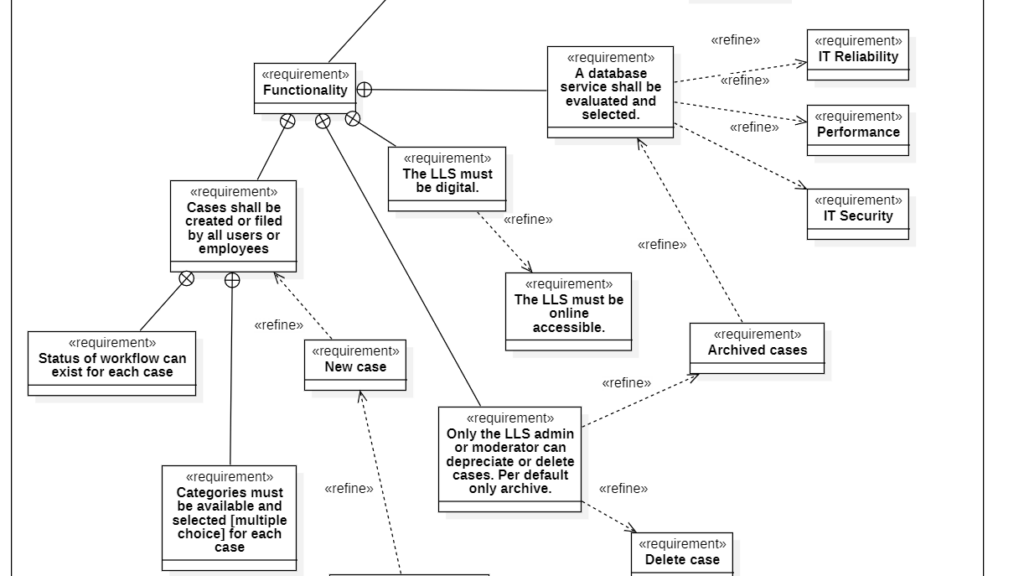
Integrating Textual Requirements in SysML: A Personal Take

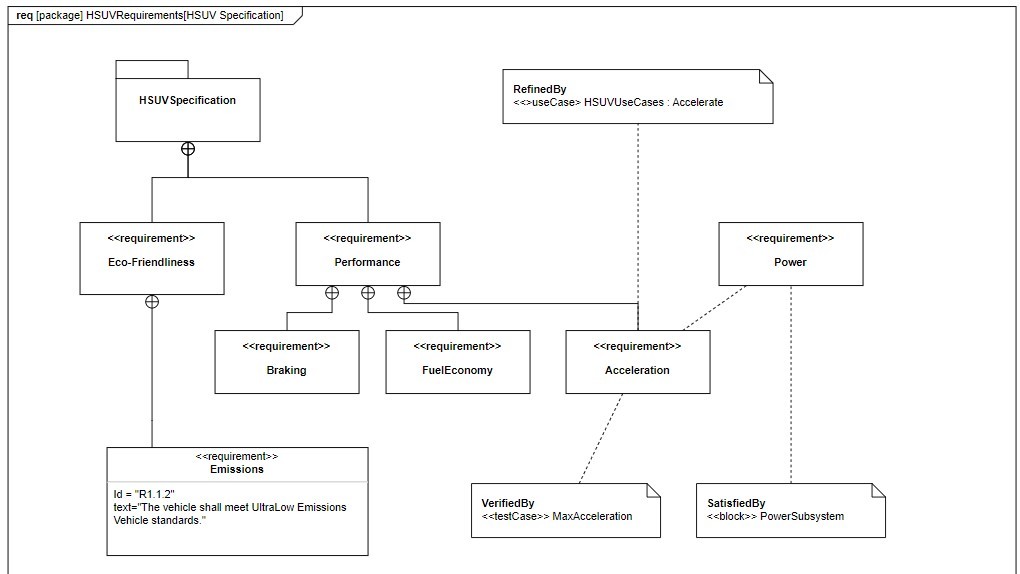
When I work with SysML, I value its dedicated way of handling textual requirements. Unlike UML, SysML provides a clear notation to express them and introduces a specific diagram type for this purpose. The SysML requirements diagram stands out because it isn’t bound to structural or behavioral views. Instead, it focuses entirely on defining, organizing, and linking requirements. This independence makes it a powerful tool for maintaining traceability and ensuring consistency across complex system models.

Integrating Textual Requirements in SysML: A Personal Take Read More »

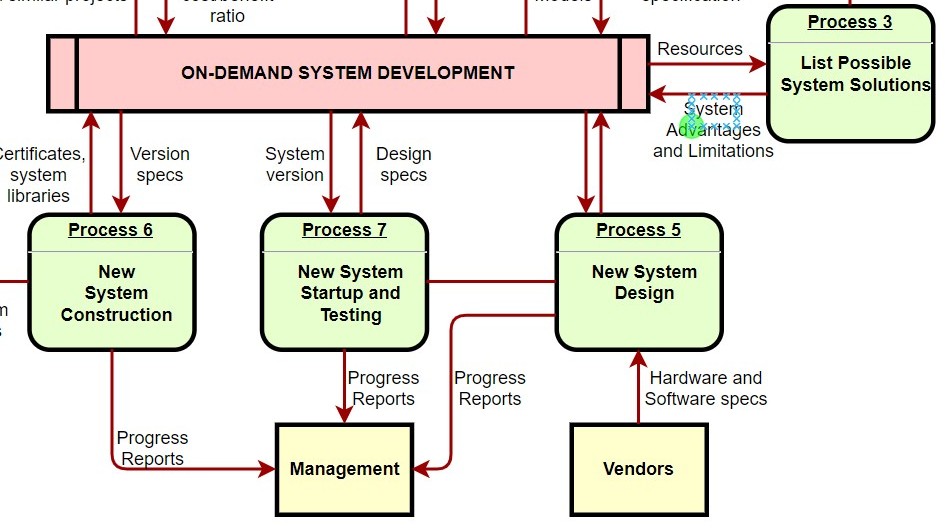
Process-style diagram with a central bar “ON-DEMAND SYSTEM DEVELOPMENT” and green boxes labeled “Process 5,” “Process 6,” “Process 7,” and “Process 3.”

Information Structure, Dynamics, Quality, and Constraints Views in Requirements Modeling

In my work, I often dive deep into the complexities of system development, where clarity and structure are everything. One aspect that continually captures my attention is how different perspectives help organize and interpret requirements effectively. By examining various views in requirements modeling, I can separate functional, structural, and behavioral aspects, making complex systems easier to understand, communicate, and validate across all stakeholders involved in a project’s lifecycle.

Information Structure, Dynamics, Quality, and Constraints Views in Requirements Modeling Read More »

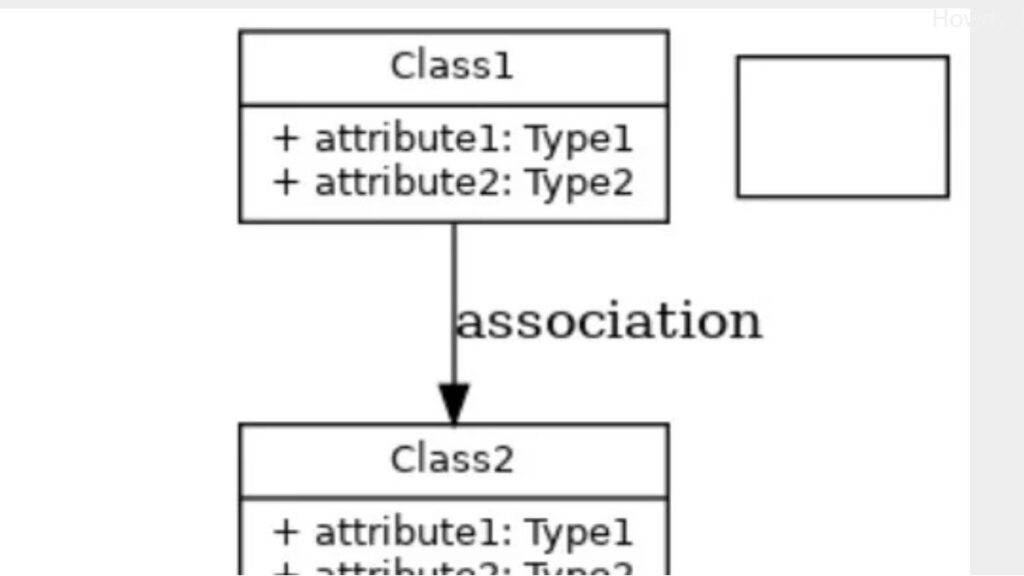
Class diagram snippet with “Class1” and “Class2,” attributes like “+ attribute1: Type1,” and a downward arrow labeled “association.”

Enhancing Requirements Modeling: Adapting UML and SysML with Stereotypes

Adapting and extending a modeling language is essential for precise requirements modeling. UML and SysML provide flexible mechanisms to customize modeling elements. This adaptability allows project-specific or domain-specific concepts to be seamlessly integrated into existing notations. By doing so, models stay both accurate and relevant to real-world systems. To understand this powerful capability, explore how stereotypes in UML and SysML enable tailored extensions for clearer, more meaningful representations.

Enhancing Requirements Modeling: Adapting UML and SysML with Stereotypes Read More »

Flow diagram with boxes “Input,” “Output,” and “Object,” plus rounded steps labeled “1.1” to “1.9” each showing “Row 1.”

Unleashing the Power of Dynamic View in Requirements Modeling

When developing a system, understanding its changing behavior over time is essential. The dynamic view in requirements modeling focuses on exactly that. It captures interactions, sequences, and state transitions that reveal how the system reacts to internal and external events. By exploring these dynamic aspects, I can ensure that the modeled system reflects real-world behavior and supports precise, effective requirements engineering practices.

Unleashing the Power of Dynamic View in Requirements Modeling Read More »

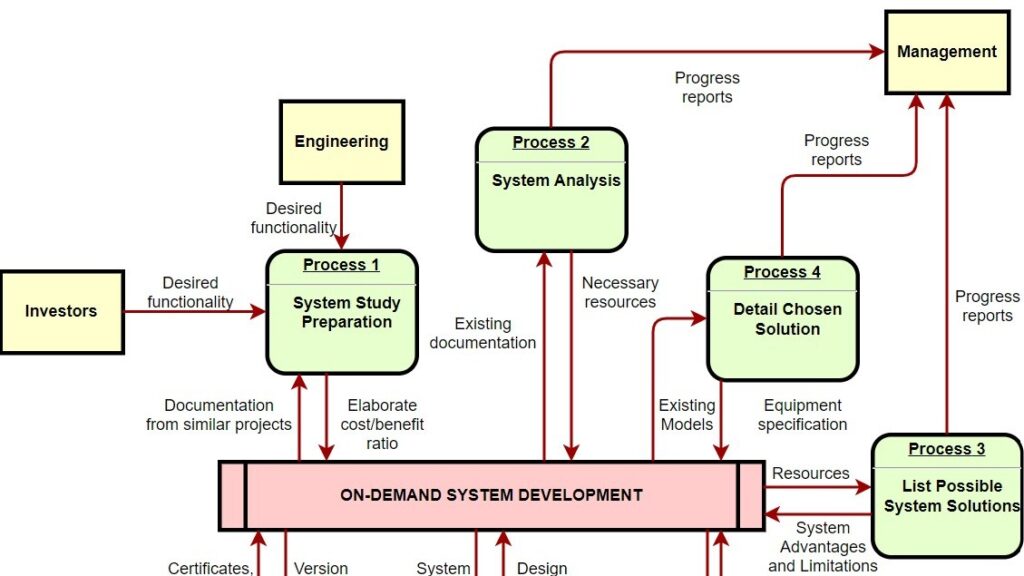
Diagram showing “ON-DEMAND SYSTEM DEVELOPMENT” with surrounding boxes such as “Investors,” “Engineering,” “Management,” and processes labeled “Process 1,” “Process 2,” “Process 3,” and “Process 4.”

Context Modeling in Requirements Engineering

A key challenge in requirements engineering and IT business analysis is understanding the full system context. It’s not just about the software being developed but also about how it interacts with surrounding systems. Knowing their roles, dependencies, and operational environments is essential for defining precise requirements. Effective context modeling helps capture these relationships clearly, ensuring alignment between business needs, technical design, and real-world system behavior.

Context Modeling in Requirements Engineering Read More »

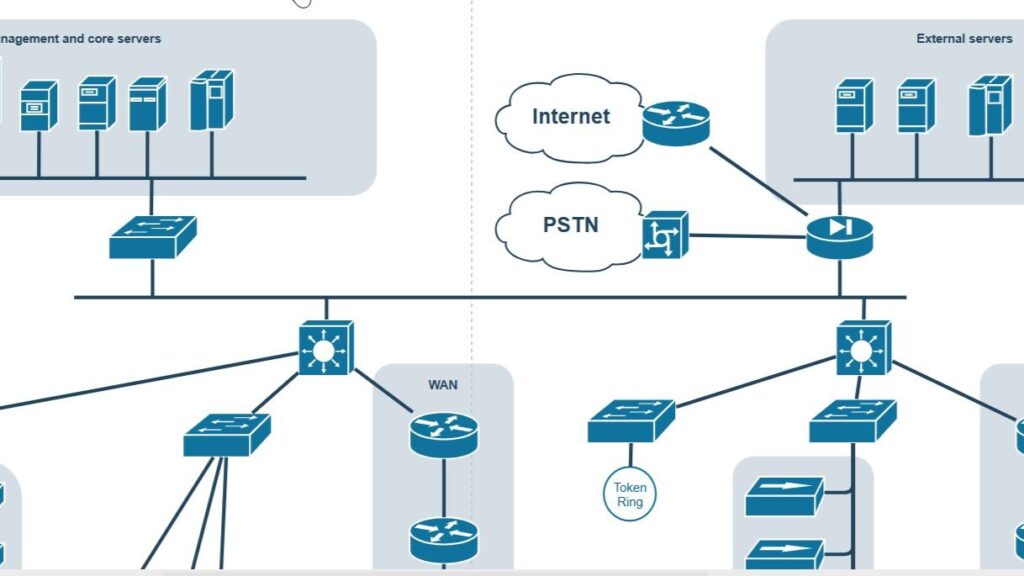
Network diagram with clouds labeled “Internet” and “PSTN,” server icons, and a section labeled “External servers.”

Requirements Modeling vs. Design Models

From my experience with complex systems, distinguishing requirements modeling design models can be difficult. UML and SysML are often used for both, which blurs the boundaries between requirements and design. This overlap can lead to mixed diagrams that reduce clarity. Over time, I’ve developed practical strategies to separate and manage these elements effectively, ensuring that each model serves its specific purpose in guiding development and maintaining project structure.

Requirements Modeling vs. Design Models Read More »

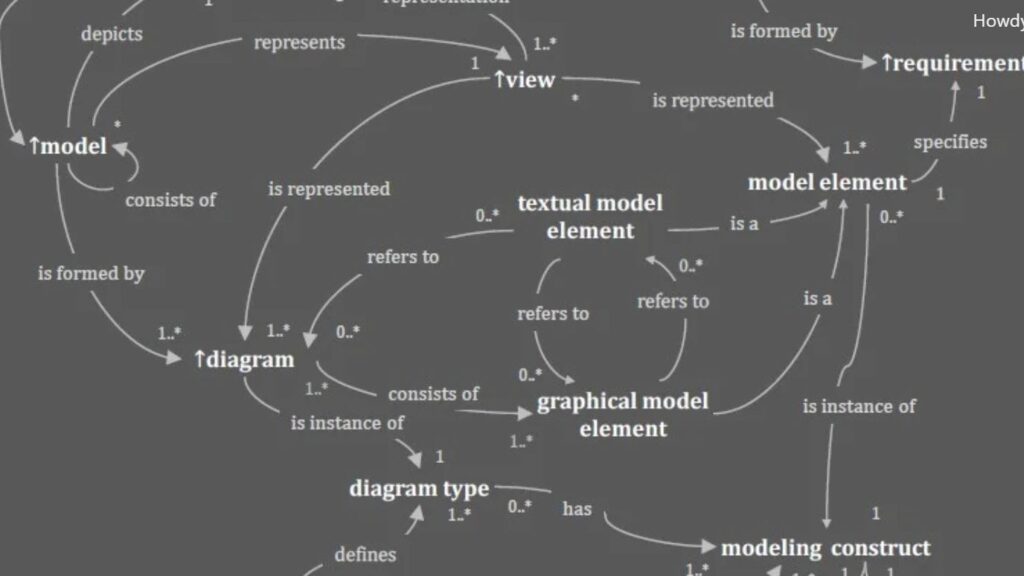
Dark concept map with terms like “model,” “view,” “diagram,” “requirement,” “model element,” and arrows labeled “represents,” “refers to,” and “consists of,” with multiplicities.

Terms and Concepts in Requirements Modeling

Requirements modeling is a key part of systems engineering. It connects stakeholder needs with system implementation and ensures clarity and consistency. By applying structured methods, it defines the terms and concepts in requirements modeling that shape clear and complete specifications. In this article, I explore these fundamental elements, their relationships, and their importance in building effective and reliable models for complex systems.

Terms and Concepts in Requirements Modeling Read More »

Scroll to Top
WordPress Cookie Plugin by Real Cookie Banner