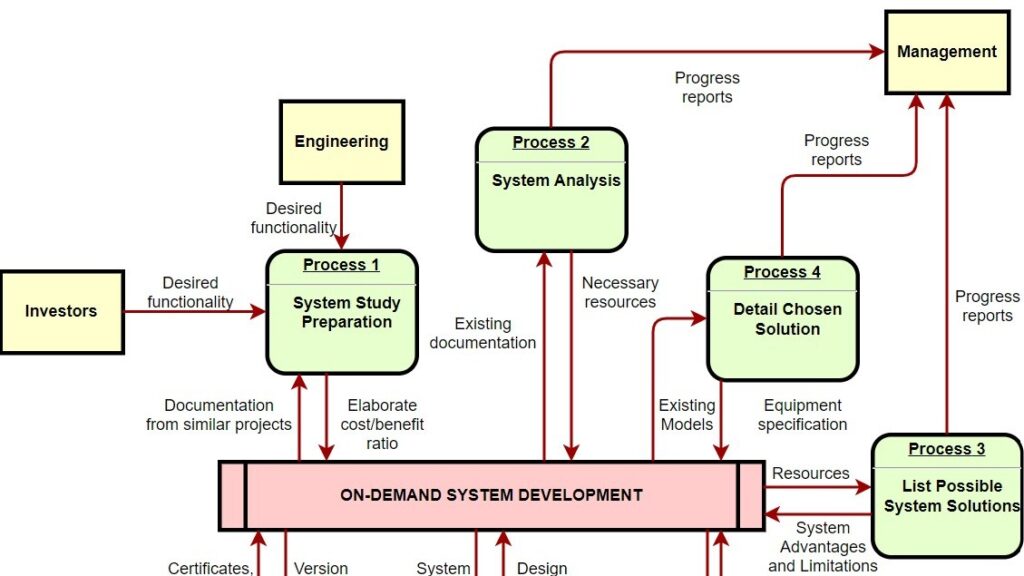
Understanding the Characteristics of a Project

Projects are everywhere in our professional lives. Whether it’s developing software, building a bridge, or launching a marketing campaign, projects drive innovation and progress. But how can we differentiate projects from routine tasks? That’s where understanding project characteristics becomes crucial. By defining these attributes, we set clear boundaries and expectations. In this article, I’ll explore the defining traits of projects, using examples and a business case to bring these concepts to life.

Understanding the Characteristics of a Project Read More »

How to Improve Stakeholder Communication in Requirements Engineering

As a Requirements Engineer, clear and effective interaction with stakeholders is vital to gathering accurate and complete requirements. Over time, I’ve learned valuable lessons about collaboration and problem-solving during the elicitation process. Strong Stakeholder Communication in Requirements Engineering and IT Business Analysis ensures shared understanding, reduces conflicts, and leads to better project outcomes. In this article, I share key insights and practical tips to strengthen your communication approach.

How to Improve Stakeholder Communication in Requirements Engineering Read More »

Demand Management in ITIL Service Strategy

ITIL demand management plays a vital role in every service strategy. When organizations ignore it, operations can quickly become inefficient and costly. Uncontrolled demand creates pressure on resources, increases risks, and reduces service quality. For example, having too much capacity wastes money without adding value. In this article, I explain how effective demand management helps balance capacity, control costs, and ensure that every service delivers measurable business value.

Demand Management in ITIL Service Strategy Read More »

Key Principles for Effective Project Implementation

Delivering successful projects is never easy. In today’s fast-changing world, systems engineering and project management work hand in hand to make it happen. From building factories to launching aircraft, these principles ensure structure and control. In this article, I’ll explain how they support effective project implementation and help organizations turn complex ideas into reliable, real-world results.

Key Principles for Effective Project Implementation Read More »

How to Make Better Decisions: Insights from a Requirements Engineer

As a Requirements Engineer, I must understand stakeholder needs and guide projects with clarity. However, diverse viewpoints can make elicitation difficult. Decision Making for Requirements Engineering helps me analyze information, set priorities, and align goals across teams. Therefore, I can improve collaboration, reduce uncertainty, and support stronger project outcomes.

How to Make Better Decisions: Insights from a Requirements Engineer Read More »

Mastering ITIL Service Portfolio Management (SPM)

Today, I’m focusing on an important part of the ITIL framework — ITIL Service Portfolio Management. It is about managing IT service investments proactively across the entire lifecycle. From new ideas to retired services, this process helps organizations make smart decisions and stay aligned with business goals. In this article, I’ll explain each step clearly and show how effective portfolio management keeps IT services valuable, balanced, and strategically focused.

Mastering ITIL Service Portfolio Management (SPM) Read More »

Cropped view of a “Lamp process” flowchart with the draw.io “Diagram” options panel visible on the right.

How to Exit draw.io

When I finish working on a diagram, I need to leave the tool safely. That is why I want to know How to exit draw.io properly. In this guide, I explain what to check before closing the session, why saving matters, and how a clear exit routine helps me keep my diagram workflow efficient and ready for the next session.

How to Exit draw.io Read More »

Draw.io diagram with a dropdown menu open showing keyboard shortcuts (e.g., Ctrl+O, Ctrl+S, Ctrl+P).

How to Close a Draw.io Diagram

Closing a diagram correctly helps me keep my draw.io workflow clean and safe. Before I leave the editor, I want to protect my changes and avoid confusion later. In this post, I explain how to close a Draw.io diagram step by step. You’ll learn what to check first and why a proper closing routine supports better diagram management.

How to Close a Draw.io Diagram Read More »

How to Change Habits: A Requirements Engineer’s Guide

As a Requirements Engineer and IT Business Analyst, I grow by improving my daily work habits. Stakeholder problems often show me where I need clearer communication, better focus, and more structure. Change habits requirements engineering helps me turn these lessons into practical action. Therefore, I can improve elicitation, support collaboration, and create better project outcomes.

How to Change Habits: A Requirements Engineer’s Guide Read More »

draw.io canvas with a bright yellow background behind two flowcharts and the Diagram panel visible on the right.

How to Change the Draw.io Page Setup

Learning to create a blog post in Confluence is a simple way to boost team communication and manage content in one place. Blog posts let you share updates, insights, and progress directly in your workspace. In this step-by-step guide, I’ll show you how to draft, edit, and publish posts efficiently, so you can build a smooth workflow and use Confluence’s collaboration features to the fullest.

How to Change the Draw.io Page Setup Read More »

Scroll to Top
WordPress Cookie Plugin by Real Cookie Banner