
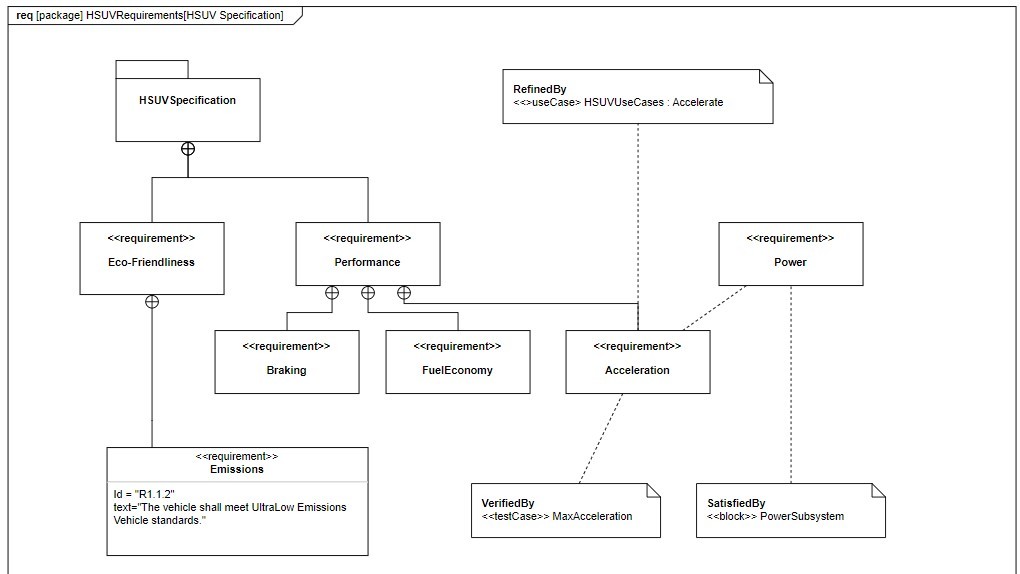
In modern requirements engineering, modeling has become essential. It clarifies complex systems, improves communication, and ensures consistency. Text alone no longer meets today’s needs. By using diagrams, engineers visualize system behavior and dependencies. In this article, I explore the key applications of requirements modeling—showing how it helps specify, validate, and clarify requirements effectively across different project contexts.
What Is Requirements Modeling?
I use requirements modeling to represent requirements and their relationships in a structured form. Depending on the problem, I model functions, behavior, information, interfaces, states, dependencies, or constraints.
A model reduces complexity because it focuses on selected aspects of a system. Therefore, I do not try to represent everything at once. Instead, I choose the information that matters for the question I want to answer.
For example, I may model a process to understand system behavior. In another case, I may model system boundaries and external actors. Likewise, I can model relationships between requirements to uncover dependencies.
A diagram often provides a visual view of such a model. However, I do not treat a diagram and a model as exactly the same thing. A model contains structured information and relationships. A diagram presents selected parts of that information visually.
Requirements modeling gives me a structured way to specify, analyze, and communicate requirements that become difficult to manage in text alone.
However, the purpose of the model matters. I distinguish three main applications.
1. Using Requirements Models as the Specification
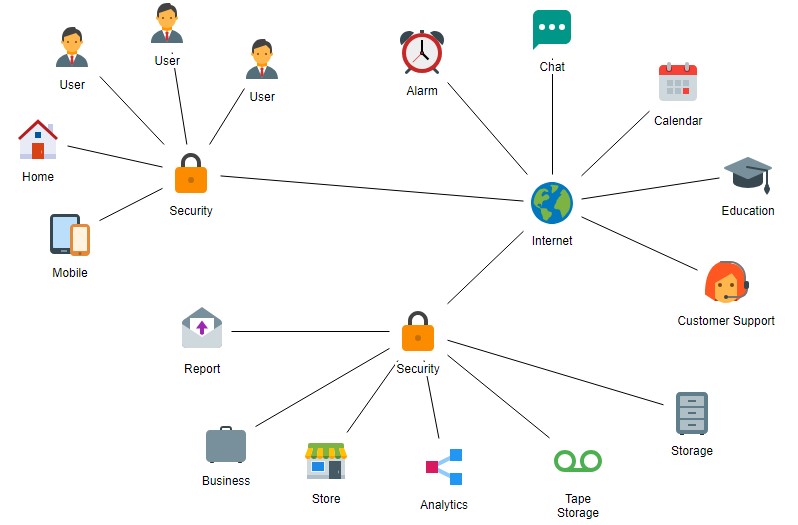
First, I can use a requirements model as the actual specification.
In this case, the model does not merely illustrate requirements. Instead, it expresses them directly. Therefore, the model becomes part of the authoritative requirements documentation.
For example, I may use a process model to define required behavior. I can show activities, decisions, events, and possible paths. Likewise, I may use a state model to define how a system reacts when its state changes.
This approach works especially well when relationships matter more than isolated statements. A diagram can show several connections at the same time. Consequently, readers do not need to reconstruct those connections from many separate sentences.
When I use a model for specification, the model itself carries requirements information and therefore needs the same level of precision as textual requirements.
That point has practical consequences. I need clear notation rules. I also need consistent terminology. Moreover, I must define what each model element means.
Text can still support the model. For example, I may add textual requirements for detailed constraints, calculations, quality requirements, or conditions that a diagram cannot express efficiently.
Therefore, I do not replace text simply because I can create a diagram. Instead, I choose the representation that communicates each requirement most precisely.
If a project requires textual requirements, I can also maintain a structured connection between the model and the corresponding text. However, I make the relationship explicit. Otherwise, two representations may slowly develop different meanings.
2. Using Requirements Models to Validate Textual Requirements
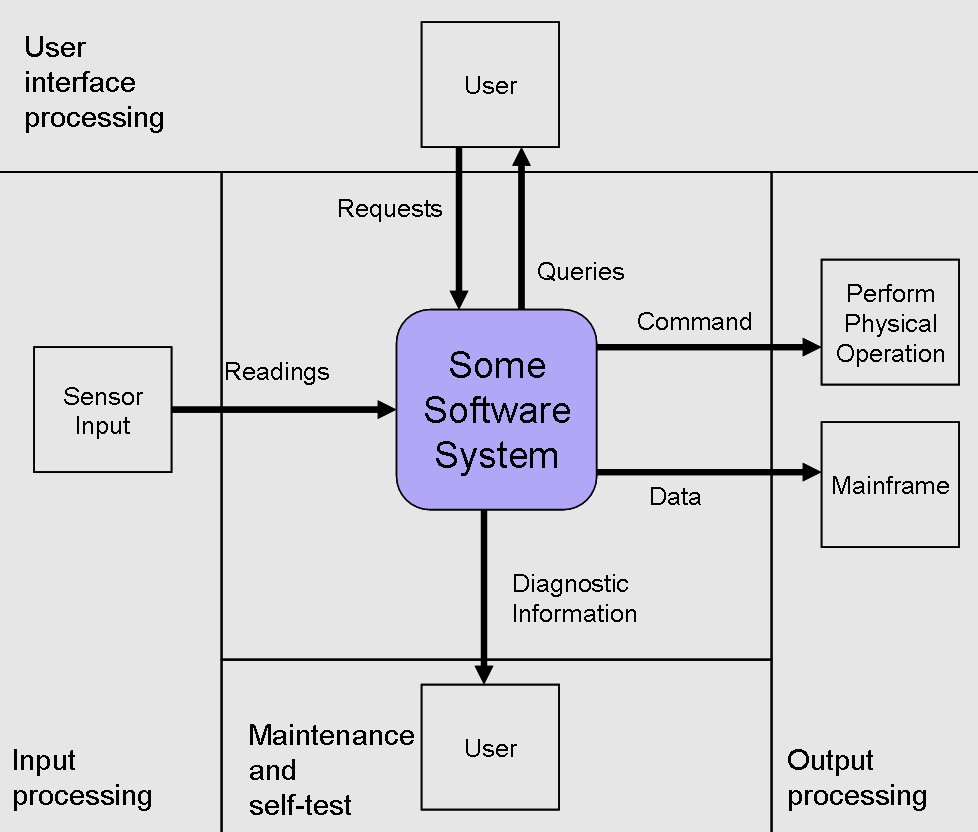
Second, I can create a model to analyze requirements that already exist in textual form.
Here, the text remains the primary specification. I use the model as an analytical tool.
This approach becomes valuable when many textual requirements describe connected behavior. Each individual requirement may appear correct. However, problems often become visible only when I examine how those requirements interact.
For example, I may translate several behavioral requirements into a process model. Then, I can follow the possible paths through the process. As a result, I may discover a missing decision, an undefined exception, or a requirement that conflicts with another requirement.
Likewise, I can use a state model to test whether textual requirements cover all relevant state changes. If the requirements describe how a system enters a state but never explain how it leaves that state, the model exposes the gap.
A model can reveal inconsistencies and omissions that remain difficult to recognize when I inspect requirements only as separate sentences.
Therefore, modeling supports requirements validation in a practical way. I do not ask only whether each requirement looks correct. I also ask whether the requirements work together as a coherent system.
Once I find a defect, I correct the authoritative requirements. I do not leave the correction only in my analytical diagram.
This distinction matters. The validation model serves the analysis. The requirements specification remains the source that defines what the system must do.
3. Using Requirements Models to Clarify Textual Requirements
Third, I use models to explain relationships that would otherwise require lengthy textual descriptions.
In this case, the model supplements the textual requirements. It helps readers understand them, but it does not necessarily replace them.
For example, several requirements may describe different parts of one workflow. Each statement may be precise on its own. Still, readers may struggle to understand the overall sequence. Therefore, I can add a process model that shows how the requirements fit together.
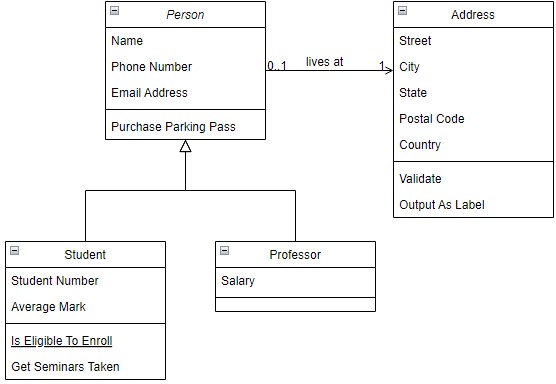
Similarly, I can use a context model to show system boundaries and external interfaces. I may also use a structural model to show relationships between relevant concepts.
A clarification model gives readers a coherent view of requirements that may otherwise appear fragmented across the specification.
However, this approach creates a risk. The text and model may contain the same information in different forms. If I change one representation but not the other, contradictions can arise.
Therefore, I define which representation has authority. I also keep related information traceable. When a requirement changes, I can then identify the models that may need an update.
I avoid unnecessary duplication as well. A model should add structure, context, or understanding. It should not simply repeat every sentence in graphical form.
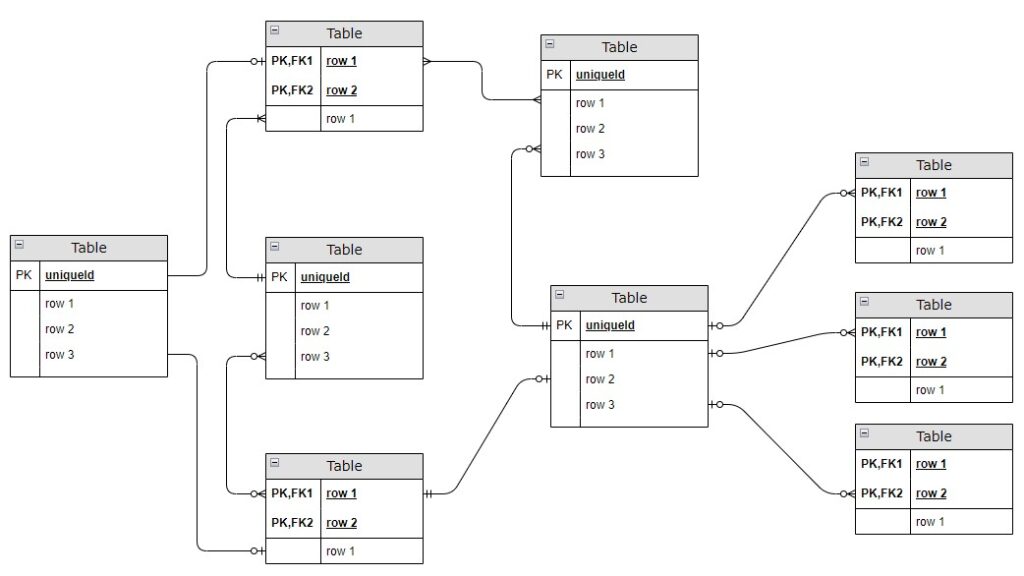
Specification, Validation, and Clarification Are Different
The three applications may look similar because all of them involve requirements models. However, their purposes differ significantly.
When I use a model for specification, the model defines requirements.
When I use a model for validation, the model helps me examine requirements.
When I use a model for clarification, the model helps people understand requirements.
The most important question is therefore not whether I should create a requirements model, but what role that model should have.
This distinction determines how carefully I need to control consistency, traceability, notation, and changes.
For example, an authoritative specification model must stay correct throughout the project. In contrast, I may create a temporary validation model only to investigate a problem. A clarification model may remain useful throughout the project, but I still need to keep it aligned with the authoritative requirements.
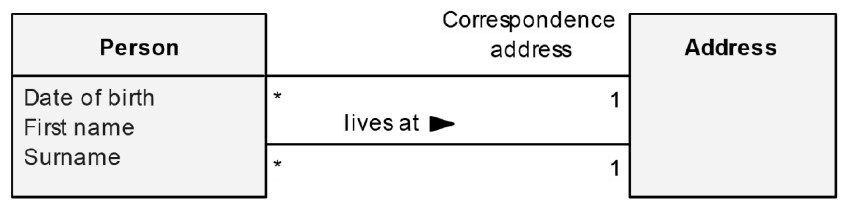
How I Choose the Right Application
Before I create a model, I ask what problem I want to solve.
If text becomes too cumbersome for expressing connected behavior, I consider using the model as part of the specification.
If I already have textual requirements but doubt their completeness or consistency, I create a model for validation.
If the requirements are correct but difficult for stakeholders to understand as a whole, I create a model for clarification.
Therefore, I let the purpose determine the model.
I also consider the audience. Developers may need technical detail. Business stakeholders may need a simplified view. Testers may need clear paths, conditions, and expected outcomes. Consequently, one model does not need to serve every audience.
Finally, I model only as much as necessary. More detail does not automatically create a better requirements model. Excessive detail can hide the information that actually matters.
I create a requirements model when the model makes requirements more precise, easier to analyze, or easier to understand.
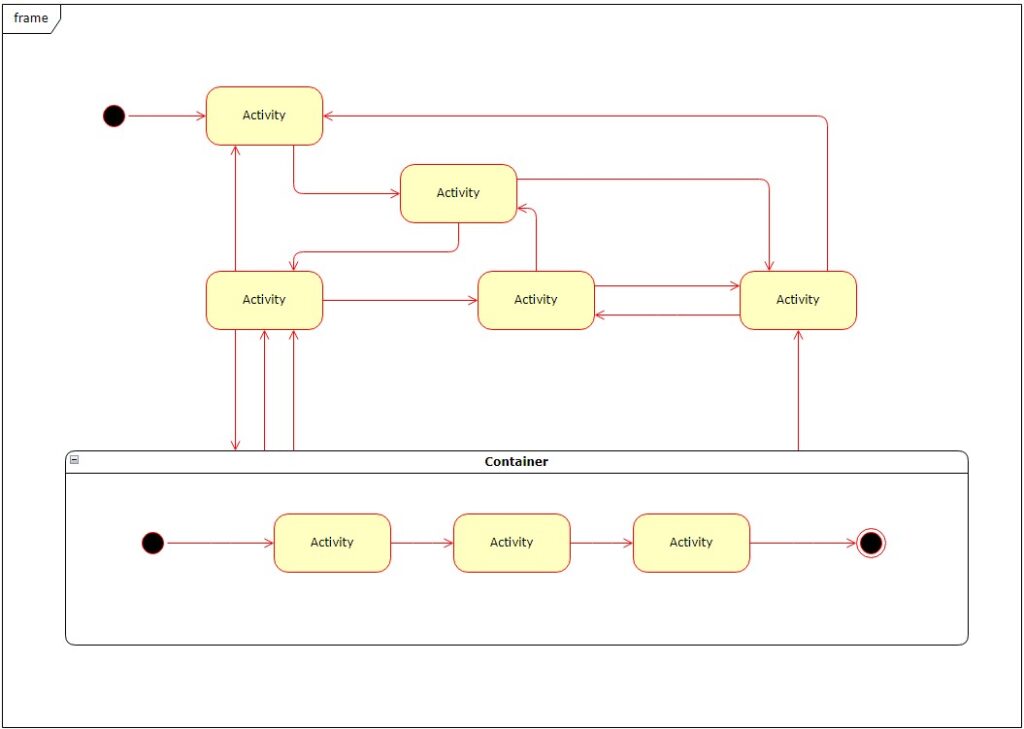
Conclusion
Requirements modeling offers more than a visual alternative to text. I use it in different ways depending on the purpose of the requirements work.
A model can become part of the specification. It can also help me validate textual requirements. Alternatively, it can clarify complex relationships without replacing the underlying text.
The distinction matters because each application creates different responsibilities. An authoritative model must define requirements precisely. A validation model must expose defects. A clarification model must improve understanding without creating contradictions.
Therefore, I always define the role of a model before I create it. This simple decision helps me choose the right level of detail, control redundant information, and maintain consistency.
Requirements modeling creates the greatest value when I use each model for a clearly defined purpose rather than creating diagrams simply because the system is complex.
What’s Next?!
Now that you know how requirements modeling helps visualize and clarify system needs, it’s time to explore how these ideas extend into programming. Understanding how objects are defined and interact is the next step. In my upcoming article, Object Name, State, and Behavior in Object-Oriented Programming, I explain how these core concepts shape modern software design. Click ahead and discover how models turn into real, functioning code.
Explore the Full Requirements Modeling Guide
If you want to connect all parts of requirements modeling, I recommend the main article on Requirements Modeling. There, I bring modeling concepts, process modeling, BPMN, and UML into one clear structure. As a result, you can see how different model types support better analysis, clearer communication, and stronger software decisions. Click through to the full guide and learn how I use requirements modeling to turn complex ideas into understandable visual structures.
This article covers concepts that are also included in the CPRE certification syllabus.