
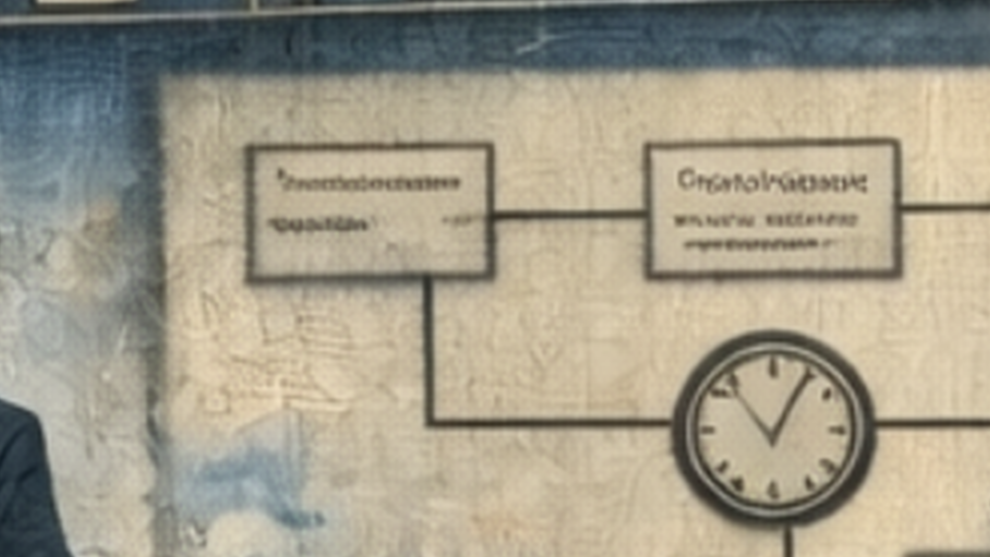
A requirements model represents system needs, behaviour, structure, context, and relationships through organised visual and textual elements.
Teams may use state diagrams, activity diagrams, sequence diagrams, use cases, or domain models. Therefore, they should select each view according to its purpose, audience, and system type.
Diagrams show structures, interactions, decisions, and dependencies clearly. In addition, supporting text defines conditions, constraints, assumptions, and rationale that graphics may not express.
A Requirements Model can connect individual statements with goals, stakeholders, system elements, and test cases. Consequently, it supports context understanding, traceability, and impact analysis.
Teams should review syntax, meaning, completeness, consistency, and suitability for the intended audience. Moreover, they should resolve contradictions between diagrams and supporting text.
Structured models may also support automated analysis or test-case generation. However, teams should control complexity through clear abstraction levels and separate views.
Well-designed models improve communication, reduce ambiguity, support validation, and provide a consistent foundation for development and testing.
« Back to Glossary Index
