All Tutorial Articles

This page presents requirements engineering tutorials. Tutorials guide your learning journey. They explain concepts with clarity. Each step builds practical skills. Examples illustrate methods and techniques. Guidance supports professional development goals. Tutorials cover models and tools. They strengthen analysis and documentation. Learning here improves project outcomes. Articles deepen requirements engineering knowledge.

UML-style box diagram showing “Requirements Modeling” and “Diagram” with attributes/methods, plus a right-side “Diagram” box listing multiple benefit-like method names.

The Benefits of Requirements Modeling: Why I Swear by Diagrams

When I first began my career in tech, I focused almost entirely on textual specifications to define requirements. However, as projects grew more complex, I discovered the true benefits of requirements modeling through diagrams. They bring clarity, reveal relationships, and simplify communication across teams. Visualizing requirements not only enhances understanding but also reduces ambiguity and errors. That’s why I now consider diagrams an indispensable part of every successful requirements engineering process.

The Benefits of Requirements Modeling: Why I Swear by Diagrams Read More »

Introduction to Issues in Jira

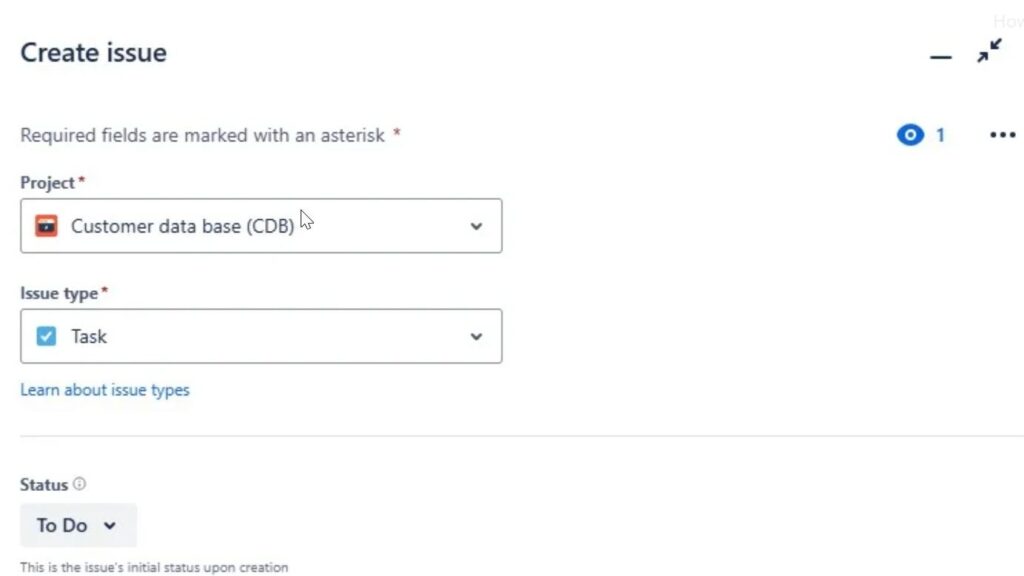
Jira helps me organize tasks, bugs, stories, and project work in one clear place. In this Introduction to Issues in Jira, I explain what issues are and how they support daily teamwork. You will learn how issues work, why they matter, and how they help teams track progress, assign responsibility, and manage work with more structure.

Introduction to Issues in Jira Read More »

What is SysML?

As a requirements engineer and IT business analyst, I’ve always been intrigued by tools that simplify complex system management. One framework that truly stands out is SysML, the Systems Modeling Language. In this introduction to SysML, I’ll explain why it’s essential for bridging hardware and software development. I first used SysML on a project combining both domains, and it completely transformed how I handled system complexity, structure, and communication across all stakeholders.
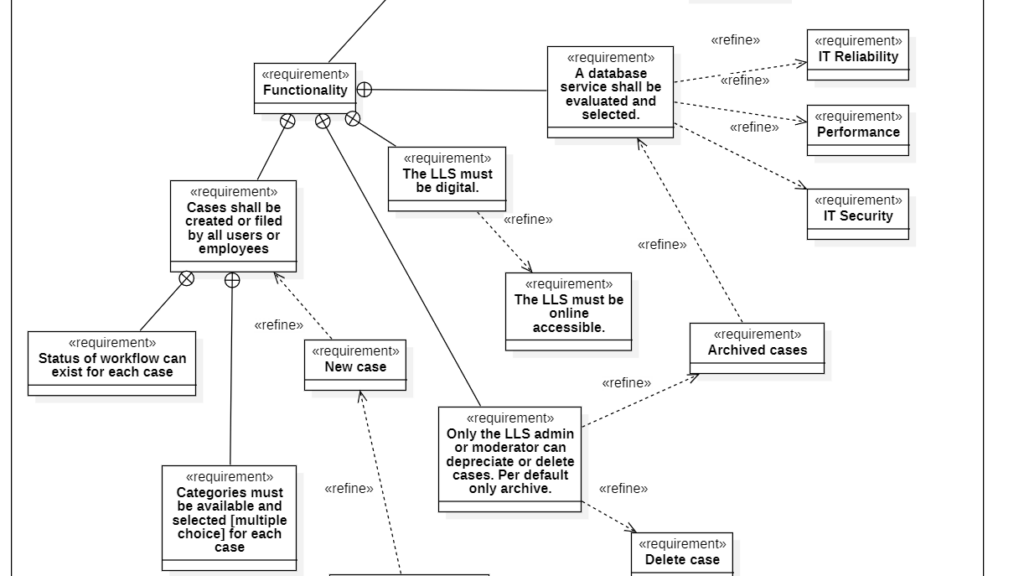
What is SysML? Read More »

Integrating Textual Requirements in SysML: A Personal Take

When I work with SysML, I value its dedicated way of handling textual requirements. Unlike UML, SysML provides a clear notation to express them and introduces a specific diagram type for this purpose. The SysML requirements diagram stands out because it isn’t bound to structural or behavioral views. Instead, it focuses entirely on defining, organizing, and linking requirements. This independence makes it a powerful tool for maintaining traceability and ensuring consistency across complex system models.

Integrating Textual Requirements in SysML: A Personal Take Read More »

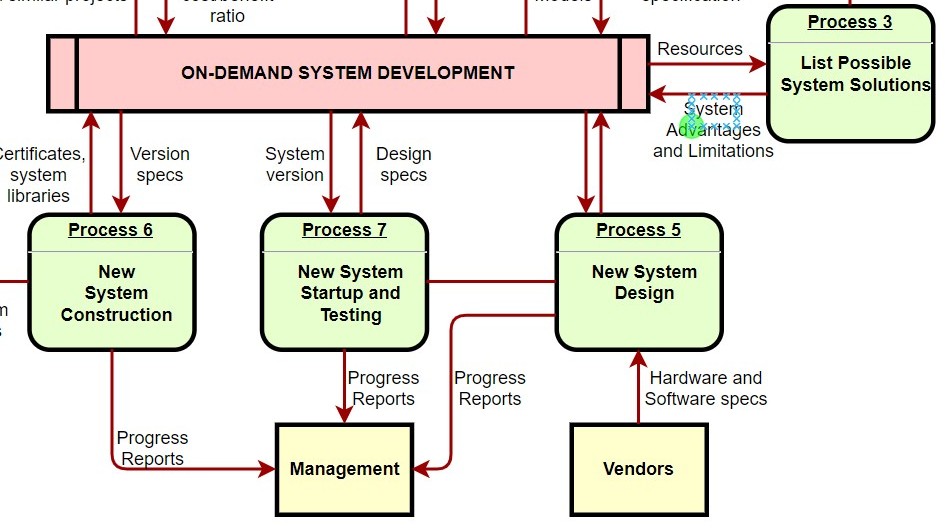
Process-style diagram with a central bar “ON-DEMAND SYSTEM DEVELOPMENT” and green boxes labeled “Process 5,” “Process 6,” “Process 7,” and “Process 3.”

Information Structure, Dynamics, Quality, and Constraints Views in Requirements Modeling

In my work, I often dive deep into the complexities of system development, where clarity and structure are everything. One aspect that continually captures my attention is how different perspectives help organize and interpret requirements effectively. By examining various views in requirements modeling, I can separate functional, structural, and behavioral aspects, making complex systems easier to understand, communicate, and validate across all stakeholders involved in a project’s lifecycle.

Information Structure, Dynamics, Quality, and Constraints Views in Requirements Modeling Read More »

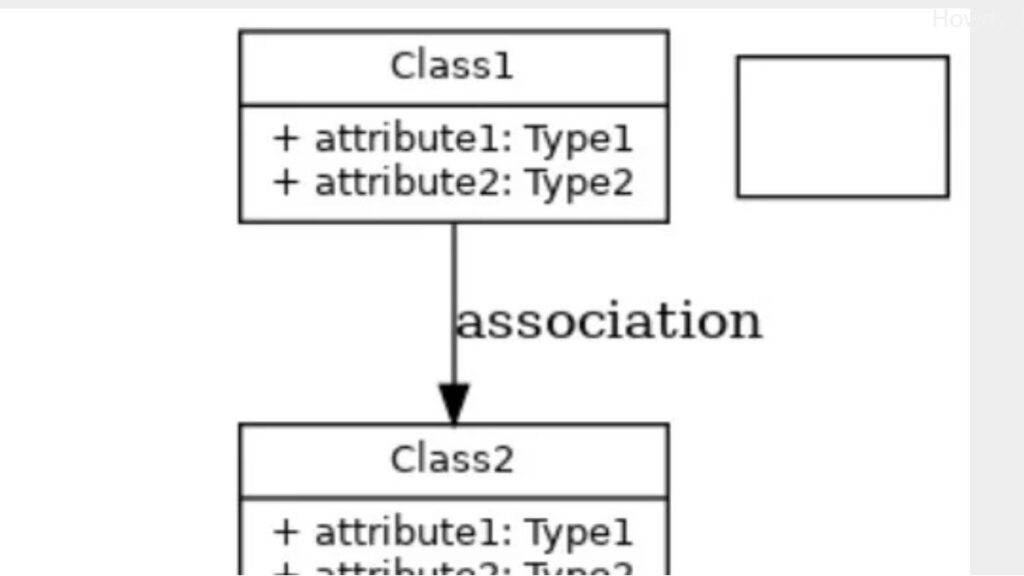
Class diagram snippet with “Class1” and “Class2,” attributes like “+ attribute1: Type1,” and a downward arrow labeled “association.”

Enhancing Requirements Modeling: Adapting UML and SysML with Stereotypes

Adapting and extending a modeling language is essential for precise requirements modeling. UML and SysML provide flexible mechanisms to customize modeling elements. This adaptability allows project-specific or domain-specific concepts to be seamlessly integrated into existing notations. By doing so, models stay both accurate and relevant to real-world systems. To understand this powerful capability, explore how stereotypes in UML and SysML enable tailored extensions for clearer, more meaningful representations.

Enhancing Requirements Modeling: Adapting UML and SysML with Stereotypes Read More »

Flow diagram with boxes “Input,” “Output,” and “Object,” plus rounded steps labeled “1.1” to “1.9” each showing “Row 1.”

Unleashing the Power of Dynamic View in Requirements Modeling

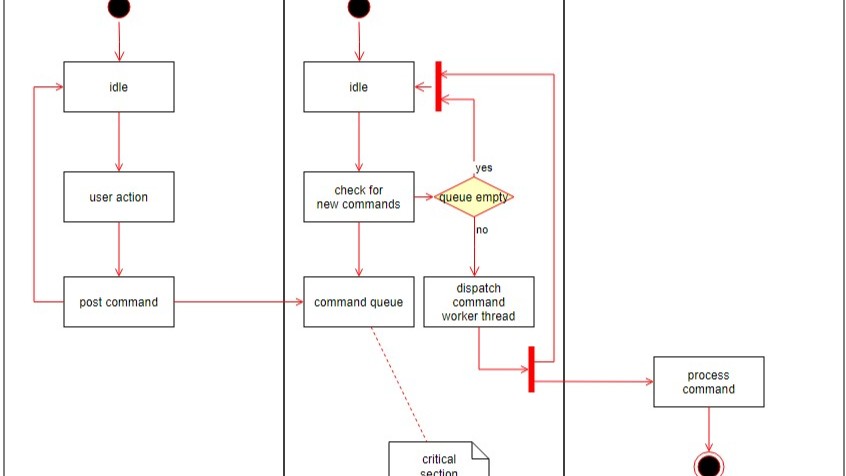
When developing a system, understanding its changing behavior over time is essential. The dynamic view in requirements modeling focuses on exactly that. It captures interactions, sequences, and state transitions that reveal how the system reacts to internal and external events. By exploring these dynamic aspects, I can ensure that the modeled system reflects real-world behavior and supports precise, effective requirements engineering practices.

Unleashing the Power of Dynamic View in Requirements Modeling Read More »

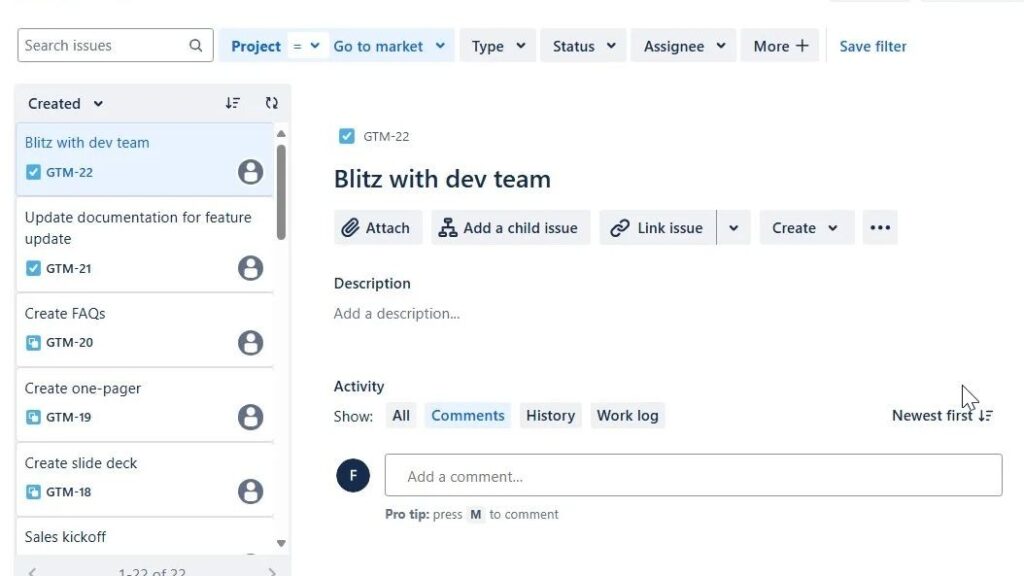
Jira issue view for “Blitz with dev team,” showing buttons like “Attach,” “Add a child issue,” and “Link issue,” with an issue list on the left.

Introduction to Jira Projects: Streamline Your Workflow with Ease

If I want clearer project work, I need structure from the start. In this introduction to jira projects, I show how Jira helps me plan tasks, organize teamwork, and track progress with ease. You will learn how projects create a shared workspace for tasks, workflows, and collaboration. As a result, your team can work with more clarity, focus, and control.

Introduction to Jira Projects: Streamline Your Workflow with Ease Read More »

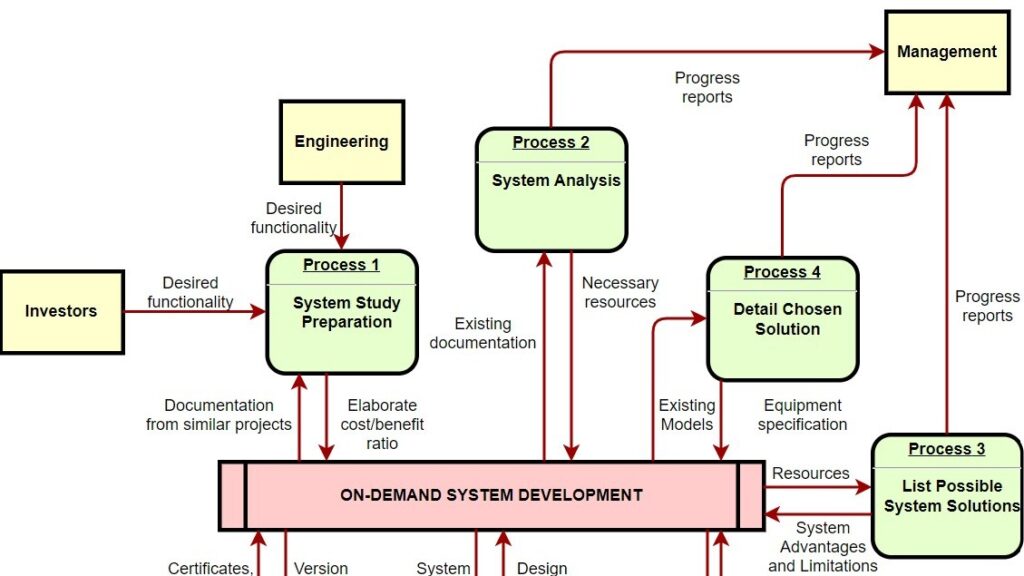
Diagram showing “ON-DEMAND SYSTEM DEVELOPMENT” with surrounding boxes such as “Investors,” “Engineering,” “Management,” and processes labeled “Process 1,” “Process 2,” “Process 3,” and “Process 4.”

Context Modeling in Requirements Engineering

A key challenge in requirements engineering and IT business analysis is understanding the full system context. It’s not just about the software being developed but also about how it interacts with surrounding systems. Knowing their roles, dependencies, and operational environments is essential for defining precise requirements. Effective context modeling helps capture these relationships clearly, ensuring alignment between business needs, technical design, and real-world system behavior.

Context Modeling in Requirements Engineering Read More »

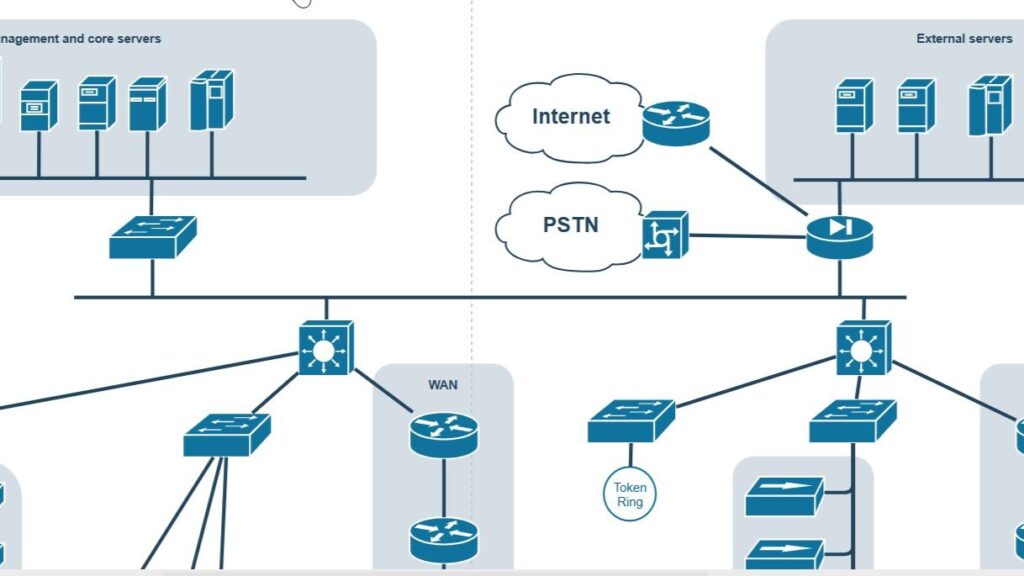
Network diagram with clouds labeled “Internet” and “PSTN,” server icons, and a section labeled “External servers.”

Requirements Modeling vs. Design Models

From my experience with complex systems, distinguishing requirements modeling design models can be difficult. UML and SysML are often used for both, which blurs the boundaries between requirements and design. This overlap can lead to mixed diagrams that reduce clarity. Over time, I’ve developed practical strategies to separate and manage these elements effectively, ensuring that each model serves its specific purpose in guiding development and maintaining project structure.

Requirements Modeling vs. Design Models Read More »

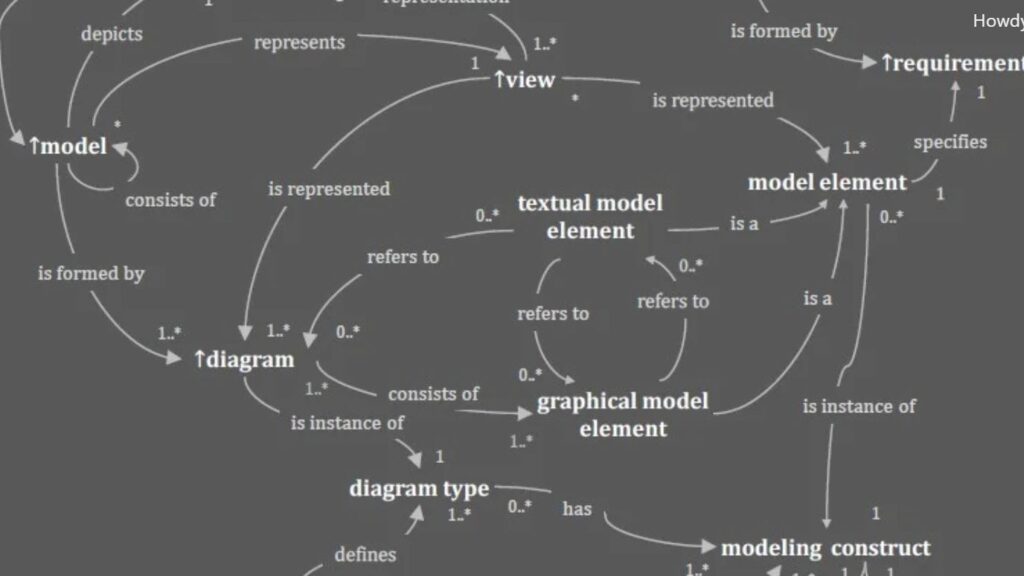
Dark concept map with terms like “model,” “view,” “diagram,” “requirement,” “model element,” and arrows labeled “represents,” “refers to,” and “consists of,” with multiplicities.

Terms and Concepts in Requirements Modeling

Requirements modeling is a key part of systems engineering. It connects stakeholder needs with system implementation and ensures clarity and consistency. By applying structured methods, it defines the terms and concepts in requirements modeling that shape clear and complete specifications. In this article, I explore these fundamental elements, their relationships, and their importance in building effective and reliable models for complex systems.

Terms and Concepts in Requirements Modeling Read More »

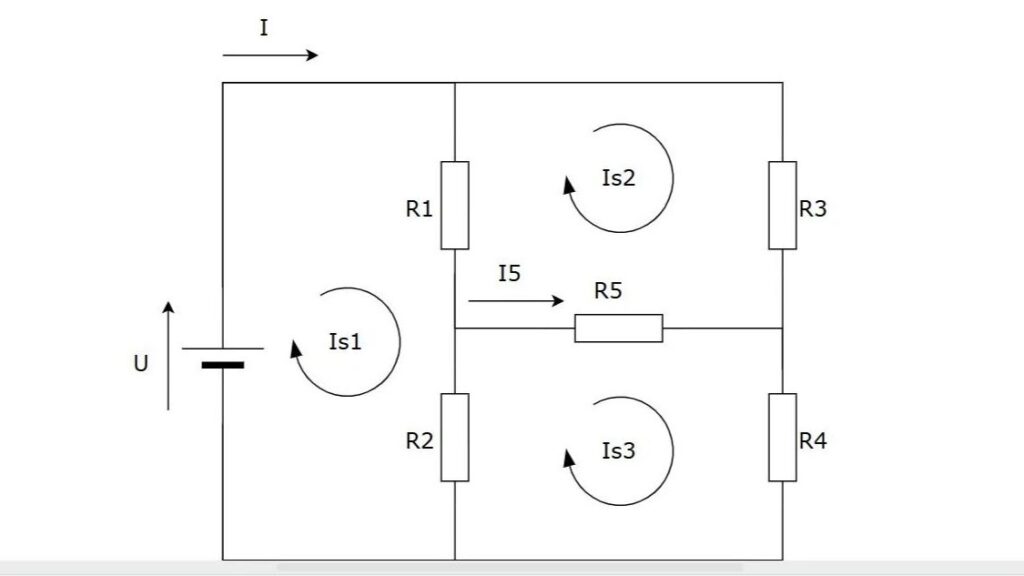
Electrical circuit diagram with resistors R1–R5, voltage U, current I and I5, and loop currents Is1, Is2, Is3.

Modeling Languages for Requirements Modeling

When exploring Modeling Languages for Requirements Modeling, choosing the right diagram and language is vital. The decision depends on your system’s complexity and your audience’s needs. Each modeling language highlights different aspects, from structure to behavior. In this article, I explain how to select and apply these tools effectively to ensure your models communicate requirements clearly and support collaboration throughout the development process.

Modeling Languages for Requirements Modeling Read More »

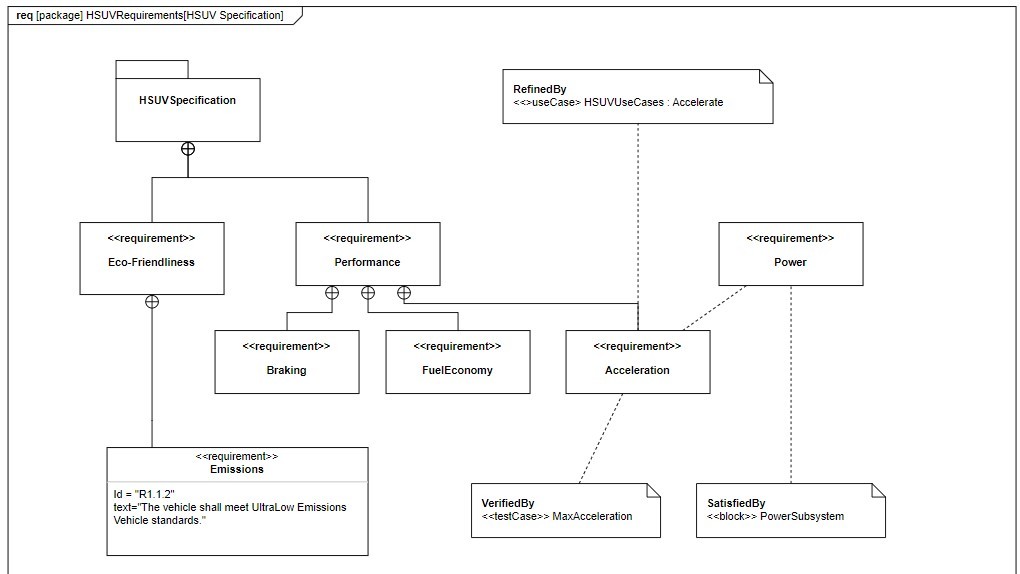
Requirements diagram with boxes labeled “HSUVSpecification,” “Eco-Friendliness,” “Performance,” “Power,” and “Acceleration,” connected by relationship lines.

Leveraging Applications in Requirements Modeling

In modern requirements engineering, modeling has become essential. It clarifies complex systems, improves communication, and ensures consistency. Text alone no longer meets today’s needs. By using diagrams, engineers visualize system behavior and dependencies. In this article, I explore the key applications of requirements modeling—showing how it helps specify, validate, and clarify requirements effectively across different project contexts.

Leveraging Applications in Requirements Modeling Read More »

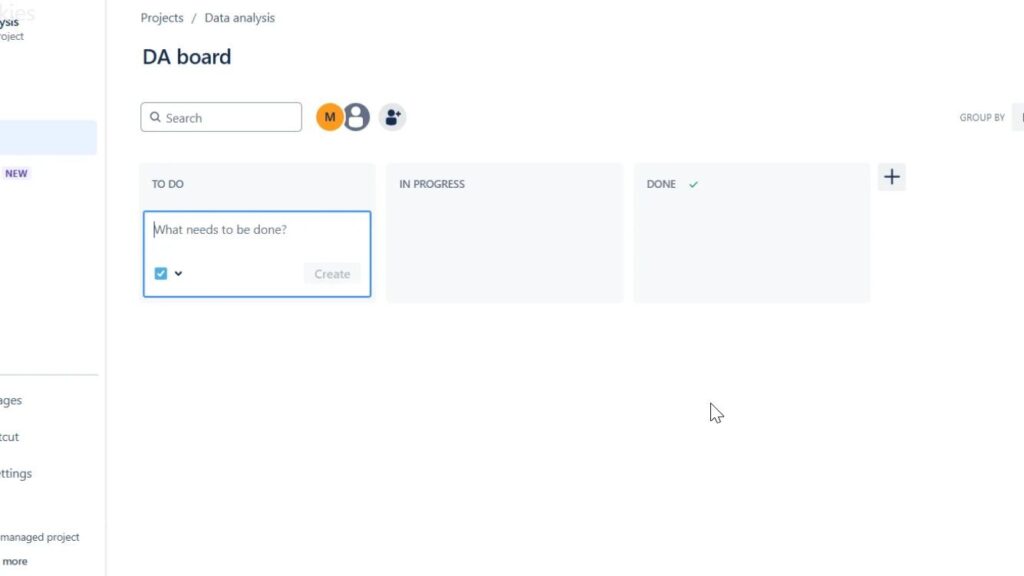
Kanban-style board titled “DA board” with columns “TO DO,” “IN PROGRESS,” and “DONE,” and a “What needs to be done?” input field.

How to Create a Project in Jira

Jira helps me organize tasks, bugs, features, and project work in one clear place. In this guide, I’ll show you how to create a project in jira step by step. You will learn how to set up your workspace, structure your work, and prepare your team for better task management. As a result, you can start faster and manage projects with more clarity.

How to Create a Project in Jira Read More »

Scroll to Top
WordPress Cookie Plugin by Real Cookie Banner