
How to Understand and Apply Piaget’s Schema Concept as a Requirements Engineer

As a Requirements Engineer, exploring interdisciplinary concepts helps me better solve stakeholder challenges during documentation. Piaget’s Schema in requirements engineering, originally from developmental psychology, provides powerful insights into how people process and structure information. By applying this idea, we can improve communication, understanding, and problem-solving in complex projects. In this article, I share how Piaget’s schemas enrich modern requirements practices.

How to Understand and Apply Piaget’s Schema Concept as a Requirements Engineer Read More »
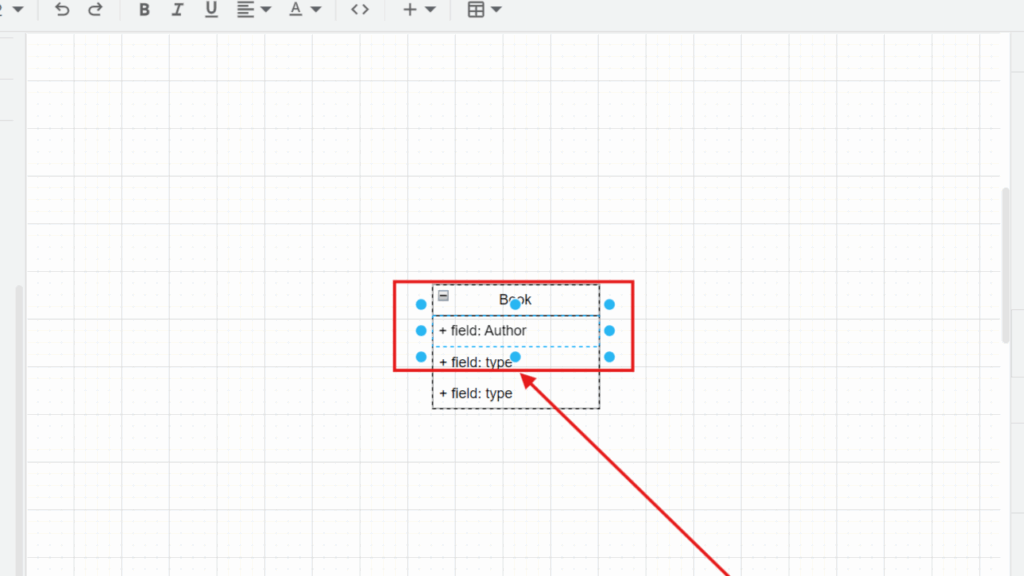
Box labeled “Person” highlighted with a red rectangle and a red arrow pointing to it.

Model UML Classes in draw.io

Modeling UML classes helps me understand complex systems. It structures information and makes relationships between objects clear. When I want a simple and effective tool for this, I use draw.io. It’s free, accessible, and perfect for creating UML diagrams. In this article, I’ll walk through UML classes, introduce draw.io, explain why it’s great for UML modeling, and guide you step-by-step to model UML classes in draw.io.

Model UML Classes in draw.io Read More »

Avoiding Mistake Repetition in Project Management

Mistakes happen in every project. But why do some organizations keep making the same mistakes over and over? As someone deeply involved in project execution, I’ve often wondered why lessons learned from past crises don’t always make it into future projects. In this post, I’ll dive into the challenges of preventing mistake repetition in project management and provide actionable advice to break the cycle.

Avoiding Mistake Repetition in Project Management Read More »

Leveraging Erikson’s Epigenetic Principle for Stakeholder Solutions

As a Requirements Engineer, I’m always on the lookout for ways to enhance my skills and understanding of the field. Recently, I delved into Erik Erikson’s epigenetic principle, seeking insights that could enrich my approach to requirements elicitation. Here’s what I learned, and how it can benefit both my work and the broader domain of Requirements Engineering. Learn about how leveraging eEikson’s epigenetic principle for stakeholder solutions.

Leveraging Erikson’s Epigenetic Principle for Stakeholder Solutions Read More »

How to Navigate Stakeholder Issues in Requirements Elicitation

As a Requirements Engineer, understanding stakeholder dynamics is key to successful collaboration and clear communication. By applying insights from Erik Erikson’s Psychosocial Development theory, I’ve gained a deeper understanding of human motivation and interaction in projects. This perspective has helped me address Stakeholder Issues in Requirements Elicitation more effectively. In this article, I share how psychology can enhance stakeholder management and project outcomes.

How to Navigate Stakeholder Issues in Requirements Elicitation Read More »

A Guide to ITIL Service Design: Crafting IT Services That Deliver

In today’s fast-changing digital world, IT services must align with business goals to stay effective and competitive. This alignment improves performance, user satisfaction, and overall value. ITIL Service Design provides a clear framework to achieve this balance. In this article, I’ll explain how to create strong service designs based on ITIL principles that ensure stability, efficiency, and long-term success for both IT teams and the business they support.

A Guide to ITIL Service Design: Crafting IT Services That Deliver Read More »

Project Management Context: Unlocking Success with Strategic Insights

In today’s fast-changing world, understanding the project management context is key to success. Managing projects professionally can be complex, especially with new technologies and growing collaboration demands. Still, a clear grasp of the project management context helps teams navigate challenges, set priorities, and achieve goals. In this article, I’ll explain the essentials and show how context shapes every step of a project.

Project Management Context: Unlocking Success with Strategic Insights Read More »

ITIL Service Design

ITIL Service Design: Key Role in Business Transformation

ITIL Service Design is a key phase in the ITIL framework that shapes how IT services are planned and delivered. It defines how each service supports business goals and adapts to future needs. By focusing on design, organizations can ensure that services are reliable, efficient, and easy to maintain. In this article, I’ll explain why Service Design is so important and how it helps create a strong foundation for long-term IT and business success.

ITIL Service Design: Key Role in Business Transformation Read More »

Learning in Project Management

Learning in project management is key to long-term success. Every project teaches us something, but only if we take time to reflect. Many teams skip this step because of deadlines or budget limits. As a result, they repeat the same mistakes. Learning in project management means recognizing errors, documenting lessons, and applying improvements. In this article, I’ll explain how learning turns experience into real progress for future projects.

Learning in Project Management Read More »

How to Understand Personality Analysis in Requirements Engineering

As a Requirements Engineer and IT Business Analyst, understanding human behavior is essential for successful collaboration and project outcomes. Each personality shapes communication, decision-making, and problem-solving within a team. Exploring these traits reveals how people influence requirements and project dynamics. In this article, we dive into Requirements Engineering Personality Analysis to uncover how personality insights can enhance teamwork and project success.

How to Understand Personality Analysis in Requirements Engineering Read More »

ITIL Service Strategy Roles

ITIL Service Strategy Roles: Explained with an Example for a Telecommunications Provider

Understanding ITIL Service Strategy roles is key to delivering high-quality IT services. These roles ensure that your service strategy aligns perfectly with customer needs and business objectives. Let’s look at how a telecommunications provider could implement these roles and why they matter for their success.

ITIL Service Strategy Roles: Explained with an Example for a Telecommunications Provider Read More »

Understanding the Characteristics of a Project

Projects are everywhere in our professional lives. Whether it’s developing software, building a bridge, or launching a marketing campaign, projects drive innovation and progress. But how can we differentiate projects from routine tasks? That’s where understanding project characteristics becomes crucial. By defining these attributes, we set clear boundaries and expectations. In this article, I’ll explore the defining traits of projects, using examples and a business case to bring these concepts to life.

Understanding the Characteristics of a Project Read More »

How to Improve Stakeholder Communication in Requirements Engineering

As a Requirements Engineer, clear and effective interaction with stakeholders is vital to gathering accurate and complete requirements. Over time, I’ve learned valuable lessons about collaboration and problem-solving during the elicitation process. Strong Stakeholder Communication in Requirements Engineering and IT Business Analysis ensures shared understanding, reduces conflicts, and leads to better project outcomes. In this article, I share key insights and practical tips to strengthen your communication approach.

How to Improve Stakeholder Communication in Requirements Engineering Read More »

Scroll to Top
WordPress Cookie Plugin by Real Cookie Banner