
Processes drive everything in business. Whether handling customer orders, manufacturing products, or managing IT services, well-defined processes ensure efficiency and consistency. But what exactly is a process? And why is process management so important? Let’s dive into the details.
What is Process Management?
Process management is the structured approach to designing, monitoring, and improving processes within an organization. It ensures that activities follow a logical order, creating efficiency and reducing errors. Without proper management, businesses struggle with inefficiencies, miscommunication, and wasted resources. By implementing process management, companies streamline operations, increase productivity, and enhance customer satisfaction.
What is a Process?
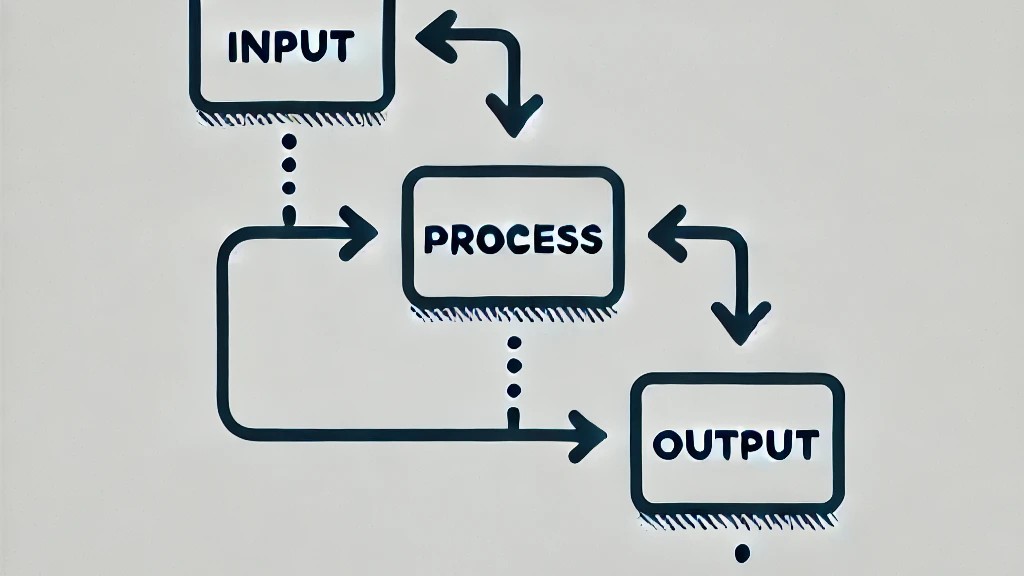
A process is a structured sequence of activities with a defined start and end. It is characterized by its time-logical order, meaning that each step must follow a predefined sequence for the transformation to occur effectively. A process is not just a set of tasks; it is a structured flow that ensures an input is transformed into a valuable output while maintaining efficiency and consistency.
Key characteristics of a process include:
- Defined Input and Output: Every process begins with an initial state (input) and concludes with a transformed result (output).
- Structured Activities: The sequence of activities follows a predefined, logical order to achieve the desired outcome.
- Customer-Centric Value Addition: A process ultimately serves a purpose, whether it is fulfilling a customer need or improving internal efficiency.
- Repeatability and Consistency: Processes are designed to be repeatable, ensuring consistent results under similar conditions.
- Resource Utilization: Processes require resources (time, people, systems) to operate effectively and achieve their goals.
- Constant Feedback: Processes also require constant feedback loops in order to improve in line with real-world conditions
By understanding these abstract characteristics, businesses can create efficient workflows that maximize productivity and deliver value consistently.
Example: Order Processing in an E-Commerce Business
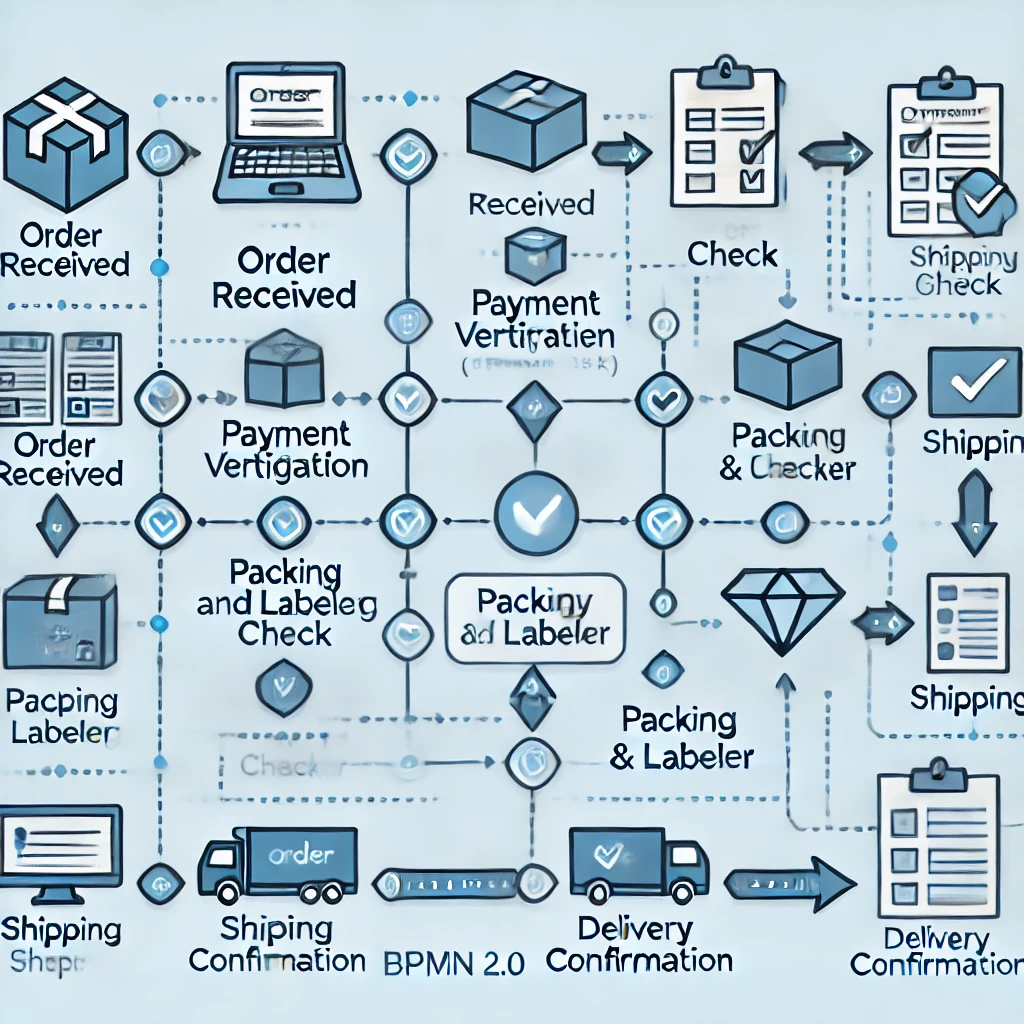
Imagine an online store that sells electronics. The order processing system ensures that every purchase follows the same structured path:
- Order Received: The system logs the order.
- Payment Verification: The payment gateway processes the transaction.
- Inventory Check: The system verifies stock availability.
- Packing and Labeling: The warehouse team prepares the package.
- Shipping: The courier picks up and delivers the order.
- Delivery Confirmation: The customer receives a notification.
Final Thoughts
Understanding what a process is helps businesses create structure and efficiency. Process management ensures tasks flow smoothly from start to finish, reducing errors and improving outcomes. Whether managing customer orders, IT services, or internal workflows, structured processes add value and enhance operations. By focusing on clear inputs, logical steps, and valuable outputs, businesses can thrive in an organized and efficient manner.