Massimo

Requirements Validation Checks

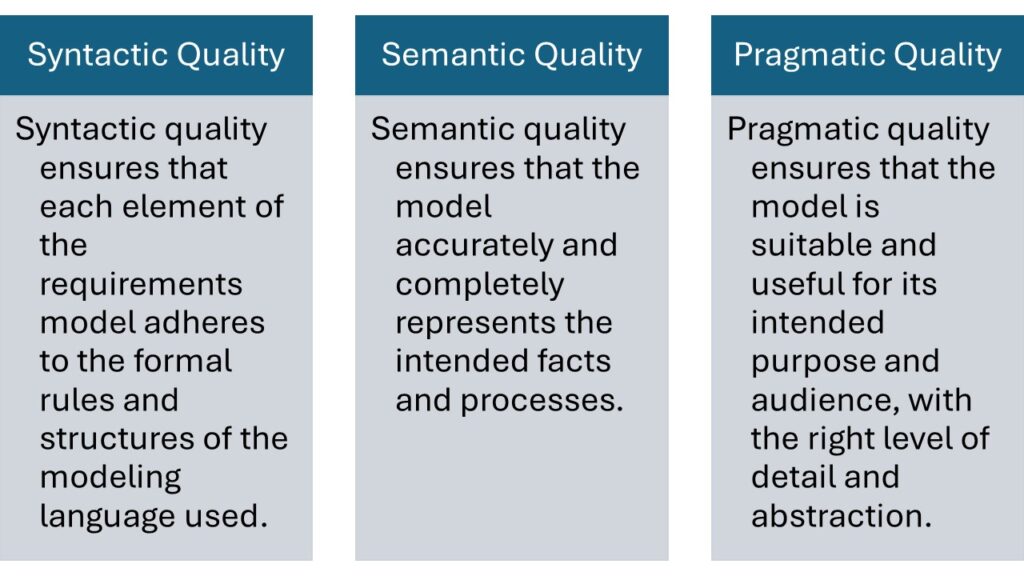
When developing software, capturing accurate requirements is vital. But gathering them isn’t enough. I must ensure they’re valid, complete, and realistic. That’s where validation checks come in. Without proper checks, I risk creating a system that fails to meet user needs. Through careful validation, I can confirm consistency, correctness, and feasibility before development begins. In this article, I’ll explain how these checks strengthen requirements engineering and ensure project success.

Requirements Validation Checks Read More »

Improving Project Costs: A Guide to Better Project Management

Improving project costs and meeting schedules are vital for every organization. Time and money are limited, and poor planning can cause serious delays or losses. In this article, I’ll explain how improving project costs starts with better management, clear priorities, and efficient resource use. I’ll also share a real business case to show how these principles help achieve stronger, more predictable project results.

Improving Project Costs: A Guide to Better Project Management Read More »

The Difference Between Requirements Verification and Validation

When building a system, we must ensure it works exactly as intended. But how can we be confident about that? This is where requirements verification and validation come into play. Although they may sound similar, each serves a distinct purpose. Verification checks if we built the system right, while validation ensures we built the right system. Understanding their differences helps reduce costly errors, save time, and deliver products that meet real user expectations.

The Difference Between Requirements Verification and Validation Read More »

Black-and-white illustration with an arrow labeled “validation” between two framed landscape scenes.

The Importance of Validating Requirements

When developing systems, requirements validation is absolutely crucial. I cannot stress this enough. Without it, we risk building solutions that disappoint stakeholders and fail to meet real needs. Even worse, we might waste valuable time and money fixing issues that proper validation could have prevented. In this article, I’ll highlight why validating requirements early ensures quality, alignment, and long-term project success.

The Importance of Validating Requirements Read More »

How to Understand and Apply Piaget’s Schema Concept as a Requirements Engineer

As a Requirements Engineer, I use interdisciplinary ideas to solve stakeholder challenges more clearly. Piaget’s Schema in requirements engineering helps me understand how people structure and process information. Therefore, I can improve communication, reduce misunderstandings, and support better problem-solving in complex projects.

How to Understand and Apply Piaget’s Schema Concept as a Requirements Engineer Read More »

Selected “Book” box showing lines like “+ field: Author” and “+ field: type,” highlighted by a red frame and arrow.

Model UML Class Attributes in draw.io

Have you ever wondered how to visualize complex systems? UML diagrams make it easy to represent structures, especially when you want to show class attributes. In this article, I’ll walk you through modeling UML class attributes in draw.io step by step. By the end, you’ll be able to create clean and organized diagrams that bring clarity to your designs.

Model UML Class Attributes in draw.io Read More »

Box labeled “Person” highlighted with a red rectangle and a red arrow pointing to it.

Model UML Classes in draw.io

Modeling UML classes in draw.io helps me understand complex systems more clearly. I can structure information, show objects, and explain relationships in a visual way. In this article, I show why draw.io works well for UML modeling and guide you step by step through creating UML classes in draw.io.

Model UML Classes in draw.io Read More »

two business people discussing ITIL Service Design Principles with each other

ITIL Service Design: Key Principles

As a tech writer, I see how ITIL Service Design principles improve IT service planning and delivery. They help organizations create services that stay efficient, reliable, and user-focused. In this article, I’ll explain the core ideas, show practical examples, and share a simple case study. As a result, we can see how strong design principles support business goals and long-term success.

ITIL Service Design: Key Principles Read More »

Avoiding Mistake Repetition in Project Management

Mistakes happen in every project. But why do some organizations keep making the same mistakes over and over? As someone deeply involved in project execution, I’ve often wondered why lessons learned from past crises don’t always make it into future projects. In this post, I’ll dive into the challenges of preventing mistake repetition in project management and provide actionable advice to break the cycle.

Avoiding Mistake Repetition in Project Management Read More »

Leveraging Erikson’s Epigenetic Principle for Stakeholder Solutions

As a Requirements Engineer and IT Business Analyst, I explore human behavior to improve elicitation and collaboration. Erikson’s Epigenetic Principle for Stakeholder Solutions helps me understand motivation, growth, and conflict in projects. Therefore, I can address stakeholder needs with more empathy, guide discussions more clearly, and support better project outcomes.

Leveraging Erikson’s Epigenetic Principle for Stakeholder Solutions Read More »

How to Navigate Stakeholder Issues in Requirements Elicitation

As a Requirements Engineer, I need to understand stakeholder dynamics to support clear communication and collaboration. Psychology helps me see motivation, behavior, and conflict more deeply. Stakeholder Issues in Requirements Elicitation show why this insight matters. Therefore, I can address tensions better, improve stakeholder management, and support stronger project outcomes.

How to Navigate Stakeholder Issues in Requirements Elicitation Read More »

A Guide to ITIL Service Design: Crafting IT Services That Deliver

In today’s fast-changing digital world, ITIL Service Design helps me align IT services with business goals. This alignment improves performance, user satisfaction, and long-term value. In this article, I’ll explain how ITIL principles support stable, efficient, and practical service designs that help IT teams deliver reliable services and support business success.

A Guide to ITIL Service Design: Crafting IT Services That Deliver Read More »

Project Management Context: Unlocking Success with Strategic Insights

Project management context helps me understand the environment around a project. It includes goals, stakeholders, constraints, risks, technologies, and collaboration needs. Therefore, I can set better priorities and make smarter decisions. As a result, teams can navigate change, manage complexity, and guide each project step toward successful outcomes.

Project Management Context: Unlocking Success with Strategic Insights Read More »

ITIL Service Design

ITIL Service Design: Key Role in Business Transformation

ITIL Service Design helps me plan IT services that support business goals and future needs. It defines how services should work, perform, and stay reliable. With strong design, organizations can improve quality, reduce risks, and make services easier to maintain. In this article, I’ll explain why Service Design matters and how it creates a strong foundation for long-term IT and business success.

ITIL Service Design: Key Role in Business Transformation Read More »

Scroll to Top
WordPress Cookie Plugin by Real Cookie Banner