
Fred

Feature Oriented Requirements Validation: A Complete Guide

Requirements engineering is essential in every software project. Yet, capturing what users need is just the first step. We must also confirm that those requirements truly reflect desired system behavior. For complex, feature-driven systems, this task becomes even more crucial. That’s where Feature Oriented Requirements Validation comes in. It focuses on validating each feature in context, ensuring consistency, usability, and alignment with overall goals to deliver a system that fully meets expectations.

Feature Oriented Requirements Validation: A Complete Guide Read More »
Black graphic with the headings “Project Requirement” and “Process Requirement” and several cut-off white category boxes at the bottom.

Model Based Requirements Validation: Ensuring Software Quality with Precision

Ever launched a project only to spot major flaws late in development? I have, and it’s frustrating. That’s why Model Based Requirements Validation matters. It uncovers issues early by checking whether requirement models truly reflect stakeholder needs. This prevents costly mistakes, boosts collaboration, and improves software quality. It turns early insights into long‑term project success.

Model Based Requirements Validation: Ensuring Software Quality with Precision Read More »

Guidance on ISO 9001:2015 | Simplifying Documented Information

When applying Guidance on ISO 9001, many organizations worry about documentation. I understand this concern, but the 2015 version of the standard is more flexible. It allows each company to decide how much documentation is needed to plan, operate, and control processes effectively. With this Guidance on ISO 9001, businesses of any size can meet quality goals without creating unnecessary paperwork.

Guidance on ISO 9001:2015 | Simplifying Documented Information Read More »

Testing Based Requirement Validation: Catching Defects Early for Success

Detecting defects early saves time, money, and frustration. Therefore, Testing Based Requirement Validation helps me validate requirements with test cases before implementation starts. By linking tests directly to requirements, I can uncover gaps, ambiguity, and inconsistencies early. As a result, I improve clarity, reduce risk, and support reliable software quality.

Testing Based Requirement Validation: Catching Defects Early for Success Read More »

Requirements Inspections: A Crucial Step for High-Quality Software Development

When I build software, clear requirements guide every step. Stakeholder input can become complex, so I use an Software Requirements Specification (SRS) as a solid project foundation. However, errors and ambiguity can still appear. Therefore, requirements inspections help me review the SRS in a structured way, detect issues early, and keep requirements accurate, consistent, and complete.

Requirements Inspections: A Crucial Step for High-Quality Software Development Read More »

Prototyping for Validation: Unlocking Better Requirements

Understanding user needs can be difficult. Requirements change, and misunderstandings can create costly rework. Therefore, prototyping for validation helps me turn abstract ideas into visual models early. Developers and customers can review them together. As a result, I close communication gaps, reduce risk, refine requirements, and align expectations before the final product takes shape.

Prototyping for Validation: Unlocking Better Requirements Read More »

Requirements Validation Techniques: Ensuring System Success

When I build a system, I need to validate requirements early. Otherwise, I risk missing user needs or business goals. Therefore, requirements validation techniques help me check accuracy, completeness, and feasibility. They also help me reduce errors, avoid rework, and improve project results. In this article, I explain practical methods and show why they matter for success.

Requirements Validation Techniques: Ensuring System Success Read More »

Improving Project Costs: A Guide to Better Project Management

Improving project costs and meeting schedules are vital for every organization. Time and money are limited, and poor planning can cause serious delays or losses. In this article, I’ll explain how improving project costs starts with better management, clear priorities, and efficient resource use. I’ll also share a real business case to show how these principles help achieve stronger, more predictable project results.

Improving Project Costs: A Guide to Better Project Management Read More »

How to Understand and Apply Piaget’s Schema Concept as a Requirements Engineer

As a Requirements Engineer, I use interdisciplinary ideas to solve stakeholder challenges more clearly. Piaget’s Schema in requirements engineering helps me understand how people structure and process information. Therefore, I can improve communication, reduce misunderstandings, and support better problem-solving in complex projects.

How to Understand and Apply Piaget’s Schema Concept as a Requirements Engineer Read More »

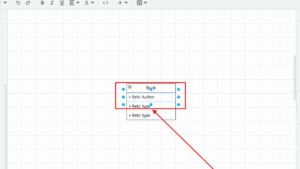
Selected “Book” box showing lines like “+ field: Author” and “+ field: type,” highlighted by a red frame and arrow.

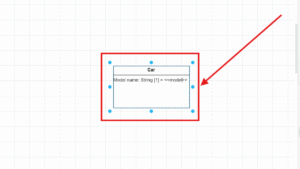
Model UML Class Attributes in draw.io

Have you ever wondered how to visualize complex systems? UML diagrams make it easy to represent structures, especially when you want to show class attributes. In this article, I’ll walk you through modeling UML class attributes in draw.io step by step. By the end, you’ll be able to create clean and organized diagrams that bring clarity to your designs.

Model UML Class Attributes in draw.io Read More »

Avoiding Mistake Repetition in Project Management

Mistakes happen in every project. But why do some organizations keep making the same mistakes over and over? As someone deeply involved in project execution, I’ve often wondered why lessons learned from past crises don’t always make it into future projects. In this post, I’ll dive into the challenges of preventing mistake repetition in project management and provide actionable advice to break the cycle.

Avoiding Mistake Repetition in Project Management Read More »

Leveraging Erikson’s Epigenetic Principle for Stakeholder Solutions

As a Requirements Engineer and IT Business Analyst, I explore human behavior to improve elicitation and collaboration. Erikson’s Epigenetic Principle for Stakeholder Solutions helps me understand motivation, growth, and conflict in projects. Therefore, I can address stakeholder needs with more empathy, guide discussions more clearly, and support better project outcomes.

Leveraging Erikson’s Epigenetic Principle for Stakeholder Solutions Read More »

How to Navigate Stakeholder Issues in Requirements Elicitation

As a Requirements Engineer, I need to understand stakeholder dynamics to support clear communication and collaboration. Psychology helps me see motivation, behavior, and conflict more deeply. Stakeholder Issues in Requirements Elicitation show why this insight matters. Therefore, I can address tensions better, improve stakeholder management, and support stronger project outcomes.

How to Navigate Stakeholder Issues in Requirements Elicitation Read More »

Scroll to Top
WordPress Cookie Plugin by Real Cookie Banner