I define a backlog item as a single element of a backlog. First, it acts as a token for work. Next, it drives conversation between the product owner and the team. For example, a backlog item can be a requirement, a story, a task, a feature, an epic, a defect to fix, or a refactoring to do. I keep each item focused. In addition, I use the item to capture acceptance criteria or simple test cases. Therefore, I can check if the team delivered what I expect.
I follow the 3C model: card, conversation, confirmation. First, I put the idea on a card. Then, I discuss the card with stakeholders. Next, I refine the acceptance tests that live on the back of the card. When the iteration ends and we run the acceptance tests, I learn that the team can, and will, deliver what I need. In short, the card starts a conversation. Moreover, the confirmation comes from running tests.
I apply INVEST to make backlog items good. First, I make items Independent of each other. Then, I keep them Negotiable during refinement. In addition, I ensure each item is Valuable to someone. Next, I ask the team to provide an Estimated size. After that, I make items Small enough to fit an iteration. Finally, I confirm each item is Testable. If an estimate shows the item is too large, I split it. Therefore, I reduce risk and increase flow.
I split large items using simple heuristics. For example, I split by workflow steps. Or, I split by business rules, data channels, or happy-path versus edge cases. In addition, I create smaller acceptance tests for each split item. As a result, each new item fits into an iteration. Also, I avoid splitting in ways that remove value.
I prioritize backlog items to focus on value. First, I order items by value and risk. Then, I refine the top items for the next 2–3 sprints. In addition, I keep the backlog more vague farther out. Therefore, the team knows what to pull next. Moreover, I avoid keeping many detailed items too far in the backlog. Otherwise, I risk doing unnecessary work when priorities change.
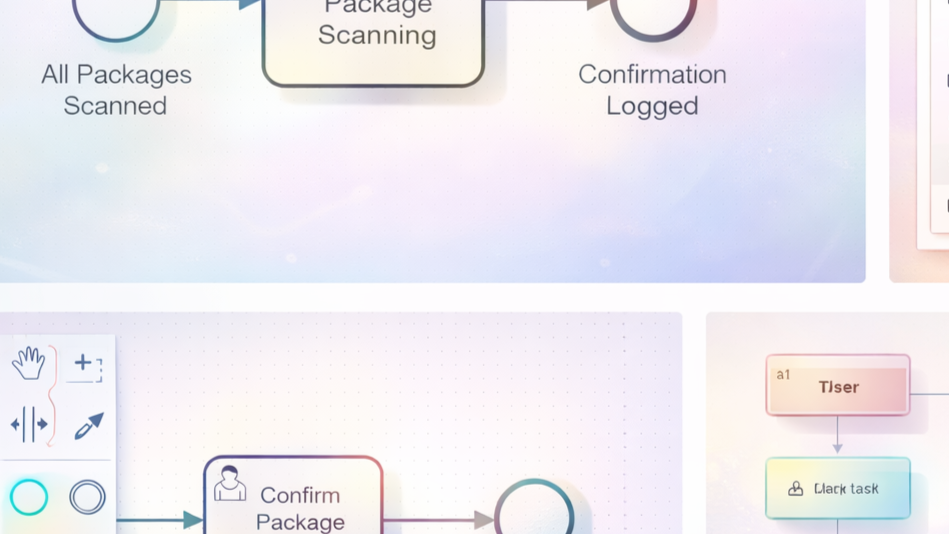
I supplement backlog items with other artifacts when needed. For example, I add activity diagrams, BPMN models, flow charts, or data-flow diagrams to explain complex behavior. In addition, I use mockups or wireframes to show UI intent. Thus, I reduce ambiguity. Meanwhile, the card stays the communication hub.
I define a clear Definition of Ready for items we plan to implement. First, I confirm the acceptance criteria exist. Then, I confirm the team can estimate the item. Next, I confirm dependencies and scope are clear. If an item does not meet the DoR, I refine it further. Therefore, I avoid surprises during the iteration.
I use acceptance tests as the final agreement. First, I write or agree on tests with the developers. Then, we use those tests to confirm completion. Finally, when the tests run and pass, I accept the work. As a result, I keep feedback fast and precise.
In short, I treat each backlog item as a small, negotiable unit of value. I prioritize, estimate, split, and test each item. In addition, I use diagrams and clear acceptance criteria to avoid misunderstandings. Therefore, I help the team deliver the right things at the right time.
« Back to Glossary Index