
In today’s software world, clear documentation of what people need is crucial. Yet, we often overlook old systems and past solutions that still hold valuable insights. These legacy systems can reveal what works well and what causes trouble. By studying them, we gain ideas that improve new projects. In this article, you’ll learn more about requirements determination from existing systems and how it leads to smarter software development.
Learning from Existing Systems
When developing new software, looking at what already exists can be a game changer. Requirements determination, in requirements engineering and IT business analysis, from existing systems helps us uncover proven features, workflows, and user expectations that might otherwise be missed.
Existing systems can preserve requirements knowledge that stakeholders no longer state explicitly.
However, existing behavior does not automatically represent a valid future requirement. Therefore, I always ask what exists, why it exists, and whether the underlying need still remains.
By analyzing competitor products and legacy systems, we gain insight into what works well and what needs improvement. This approach saves time, reduces risks, and builds a solid foundation for innovation. To dive deeper, read Discovering Hidden Gems in Existing Systems. To expand your knowledge, continue with the main article “Requirements Engineering” and learn how clear requirements help software projects succeed.
Legacy, Neighboring, and Competitive Systems
I mainly distinguish between three types of systems.
Legacy Systems
Legacy systems show me existing functionality, workflows, business rules, data structures, user expectations, problems, and technical limitations.
A legacy system shows me what the new solution may need to preserve and what it should improve.
However, I separate real business needs from historical implementation decisions.
Neighboring Systems
Neighboring systems interact with the system I want to build or change.
They reveal interfaces, exchanged data, dependencies, responsibilities, and system boundaries.
Neighboring systems help me identify integration requirements and technical constraints.
Therefore, I analyze them early. Otherwise, I may design a system that works alone but fails in its wider IT environment.
Competitive Systems
Competitive systems help me understand common functionality, market expectations, alternative solutions, and possible gaps.
I use competitive systems for comparison and inspiration, not as direct requirement specifications.
Every finding still needs to fit my own users, goals, and project context.
What Existing Systems Can Reveal
I can investigate more than visible functionality.
Existing systems may reveal:
- workflows
- business rules
- interfaces
- data structures
- dependencies
- user roles
- technical constraints
- recurring exceptions
- operational problems
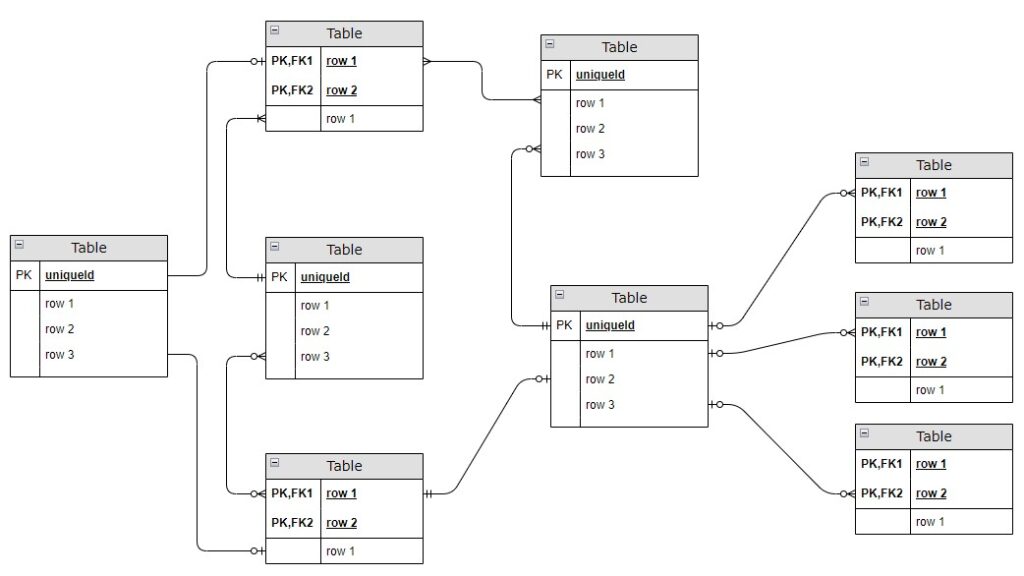
They may also contain information models, entity-relationship models, interface specifications, or data warehouse descriptions.
These artifacts can reveal entities, attributes, relationships, multiplicities, and data flows.
Existing models often expose system knowledge that would be difficult to reconstruct from stakeholder interviews alone.
I Validate Existing Information
Existing documentation may be outdated.
Systems change, while specifications often remain unchanged. Therefore, an old interface description or data model may no longer reflect reality.
Existing documentation is evidence that I need to validate, not unquestioned truth.
I compare documentation with current system behavior and stakeholder knowledge.
When necessary, I can formulate acceptance tests that describe observable results and check them against the actual system.
Acceptance tests help me replace assumptions about existing behavior with observable evidence.
Users, product owners, and technical experts can then help me decide whether that behavior still supports current needs.
Existing Systems Reveal Technical Debt
Legacy systems often contain shortcuts, obsolete technologies, duplicated logic, difficult interfaces, or complex workarounds.
These problems can reveal technical debt.
However, technical debt itself does not define a future requirement.
Technical debt helps me understand which old limitations I should avoid carrying into the new solution.
Therefore, I distinguish between useful behavior and historical constraints.
I Separate Needs from Solutions
This distinction is essential.
Suppose an old system requires users to enter the same information on three screens. I should not automatically specify three screens for the new system.
The real requirement may simply be to collect and verify the information.
I preserve the underlying need when it remains valid, not necessarily the old implementation.
This allows me to learn from the existing system without reproducing its weaknesses.
My Practical Approach
I use a simple process:
- I identify relevant legacy, neighboring, and competitive systems.
- I examine functions, processes, interfaces, data, and documentation.
- I identify possible requirements, constraints, assumptions, and problems.
- I validate important findings against actual system behavior.
- I involve stakeholders when I need business or technical confirmation.
- I decide what the future system should preserve, improve, replace, or remove.
The purpose of analyzing an existing system is to understand which knowledge still matters for the future solution.
Common Mistakes I Avoid
I avoid:
- copying legacy functionality without questioning it
- trusting old documentation blindly
- ignoring interfaces and data
- treating technical limitations as business requirements
- copying competitors
- overlooking neighboring systems
- preserving technical debt without analysis
An existing feature proves that something was implemented, not that it remains a valid requirement.
Therefore, I always investigate the need behind the behavior.
Final Thoughts
Requirements from existing systems give me valuable evidence before I design a new solution.
Legacy systems reveal established functionality, problems, and technical debt. Neighboring systems reveal interfaces and dependencies. Competitive systems reveal expectations and alternatives. Existing models can also expose data structures and relationships.
However, I validate all important findings against current behavior and stakeholder needs.
The strongest requirements come from understanding existing systems critically rather than simply reproducing them.
Therefore, I use existing systems as evidence, validate that evidence, and keep only the needs, constraints, and lessons that should shape the future solution.
What’s Next?!
Now that you’ve explored how Information Modeling for Existing Systems uncovers structure and meaning in what already exists, it’s time to take a step back and ask the bigger question. In my next article, “Why Model Requirements?” I’ll explain why modeling is more than just documentation — it’s a strategic tool for clarity, communication, and project success. Join me to discover how modeling turns abstract ideas into actionable, high-quality requirements.
Deepen Your Understanding with Requirements Modeling
If I want to move from written requirements to a clearer system view, Requirements Modeling helps me make that step. In the main article on Requirements Modeling, I explore Modeling Concepts, Process Modeling with BPMN, and UML to show how different models reveal structure, behavior, and relationships. Therefore, I can understand processes more clearly, describe systems more precisely, and communicate complex requirements more effectively. Click through to see how Requirements Modeling helps me turn ideas into clear and useful representations.
Credits: Photo by Anete Lusina from Pexels
This article covers concepts that are also included in the CPRE certification syllabus.