Massimo

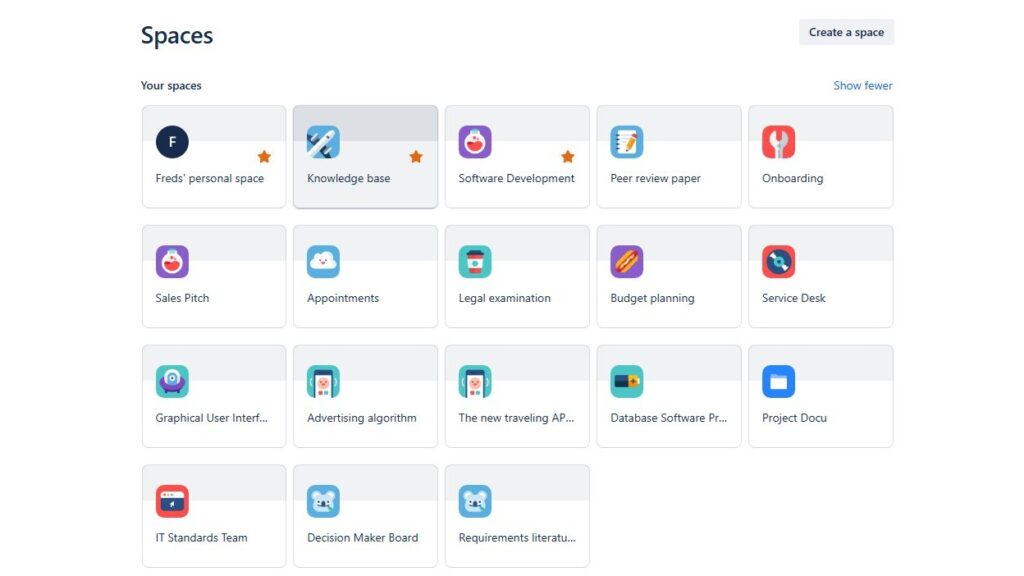
“Spaces” overview grid showing multiple space tiles such as “Freds’ personal space,” “Knowledge base,” “Software Development,” and “Onboarding.”

Spaces in Confluence

In this introduction to confluence spaces, I explain how spaces help teams organize work in Confluence. Spaces give each project, team, or topic a clear home. As a result, I can create, share, and manage content with less confusion. They support better structure, smoother collaboration, and easier access to important knowledge.

Spaces in Confluence Read More »

Requirements Determination from Existing Systems: A Key to Successful Software Development

In today’s software world, clear documentation of what people need is crucial. Yet, we often overlook old systems and past solutions that still hold valuable insights. These legacy systems can reveal what works well and what causes trouble. By studying them, we gain ideas that improve new projects. In this article, you’ll learn more about requirements determination from existing systems and how it leads to smarter software development.

Requirements Determination from Existing Systems: A Key to Successful Software Development Read More »

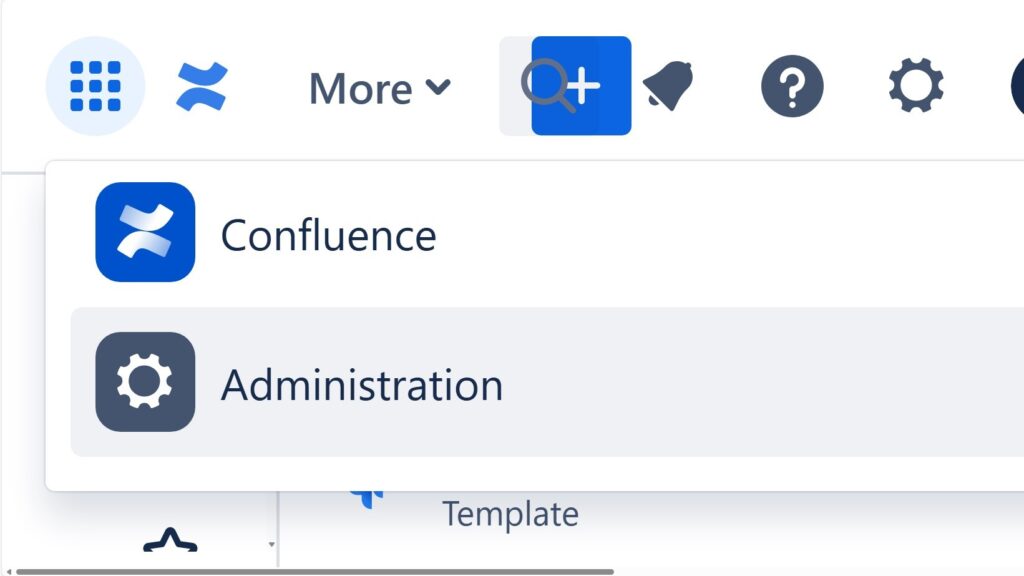
Cropped dropdown/menu showing “Confluence” and “Administration,” with “Administration” highlighted.

The Power of Confluence

The power of confluence helps me turn scattered project knowledge into one reliable workspace. I use Confluence to document decisions, requirements, meeting notes, risks, and tasks in a clear structure. Therefore, my team finds facts faster, avoids repeated questions, and works with shared context. In this article, I show how Confluence supports collaboration, project documentation, requirements engineering, and transparent knowledge management.

The Power of Confluence Read More »

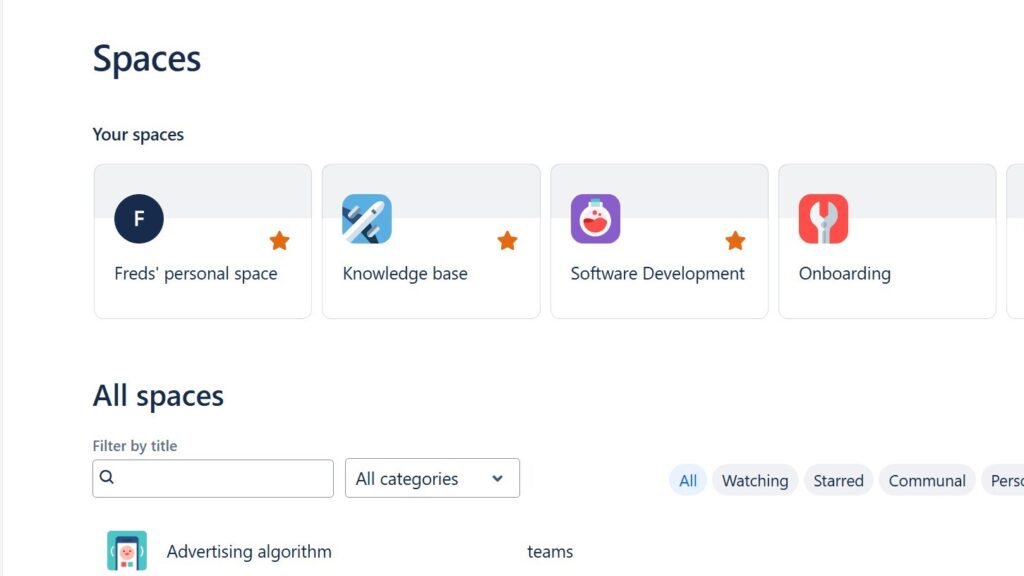
Confluence “Spaces” page showing “Your spaces” cards (Freds’ personal space, Knowledge base, Software Development, Onboarding) and an “All spaces” filter area.

How to Create a Space in Confluence

Learning how to create a Space in Confluence helps me organize team content with clarity. A space works as a home for related pages, projects, departments, or topics. As a result, I can structure information, reduce confusion, and support smoother collaboration. In this guide, I show you the steps to set up a useful Confluence space.

How to Create a Space in Confluence Read More »

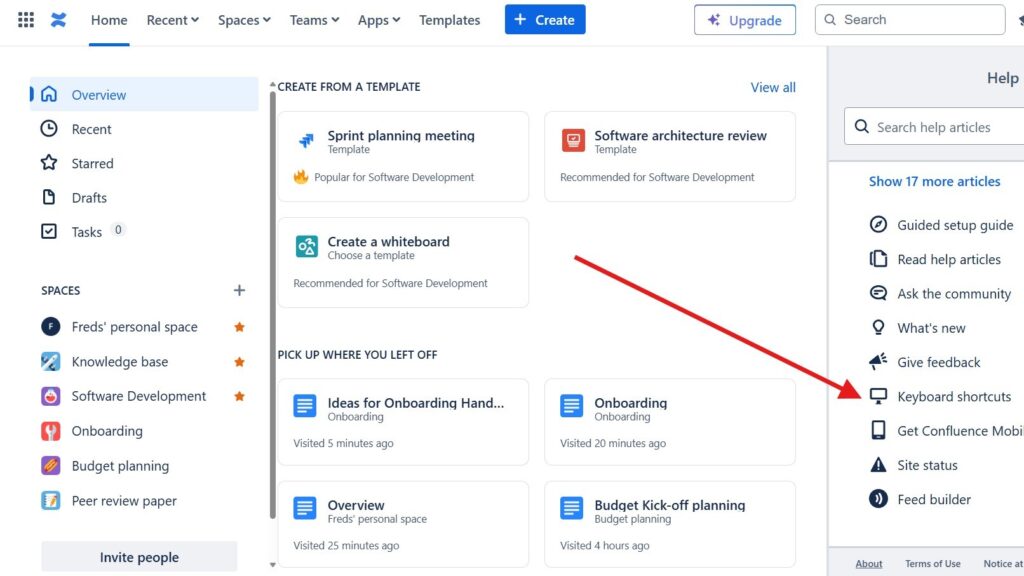
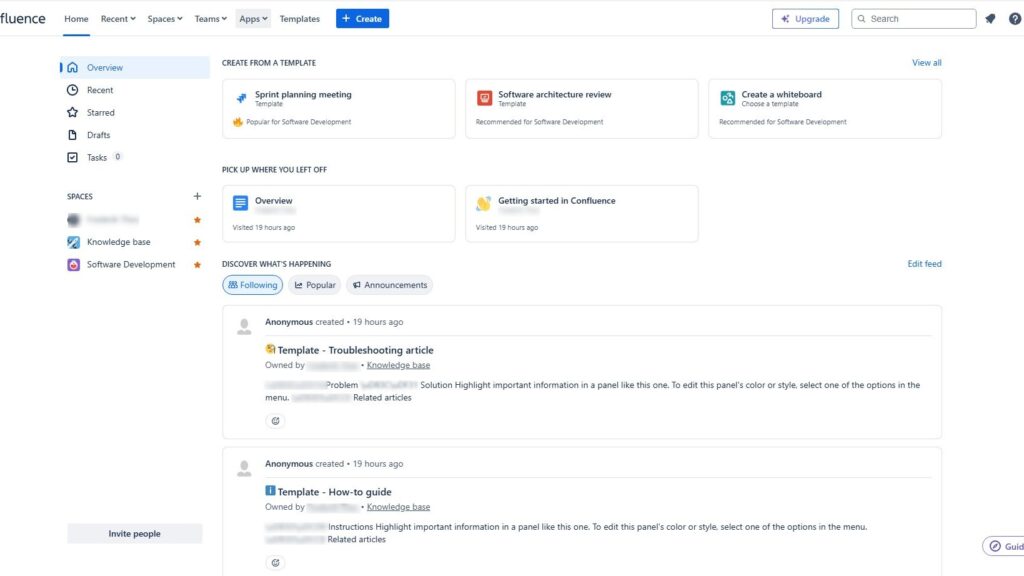
Confluence home dashboard with left navigation (Overview, Recent, Starred, Drafts, Tasks), template cards at the top, and an activity feed below.

The Confluence Dashboard

This introduction confluence dashboard guide shows the dashboard as your central workspace. It helps you find updates, key information, spaces, pages, and navigation in one place. As a result, teams stay aligned and new members get a clear first impression. A well-structured dashboard supports better collaboration from the start.

The Confluence Dashboard Read More »

Effective Communication in Requirements Engineering for Successful Projects

Effective communication in requirements engineering keeps projects clear, focused, and aligned. I use it to connect stakeholders, share goals, and uncover real needs early. Therefore, teams avoid confusion, reduce rework, and make better decisions. In IT business analysis, clear dialogue turns stakeholder input into requirements that support real project success.

Effective Communication in Requirements Engineering for Successful Projects Read More »

Stakeholder Lists in the Requirements Engineering of Complex Projects

In complex business projects, stakeholder lists in requirements engineering help me identify everyone who can influence the system. I document customers, users, suppliers, teams, experts, decision makers, and affected groups. Therefore, I avoid gaps, manage expectations, and create shared clarity. In addition, I see interests, responsibilities, risks, and knowledge sources early. As a result, I build stronger requirements and guide the project with better information from the start from day one.

Stakeholder Lists in the Requirements Engineering of Complex Projects Read More »

Personas in Requirements Engineering and IT business analysis

When we build computer programs, they must fit the needs of the people who use them. Yet, it is often hard to speak with every future user directly. To solve this, we use imaginary but realistic characters that represent typical users. These characters help us understand goals, behaviors, and expectations. They make requirements clearer and more user-focused. In this article, you discover more about personas in requirements engineering.

Personas in Requirements Engineering and IT business analysis Read More »

Stakeholder Management in Requirements Engineering: Roles, Responsibilities, and Communication

Stakeholders in requirements engineering help me identify everyone who affects, uses, funds, supports, or accepts a system. I involve them early because they reveal goals, risks, constraints, conflicts, and hidden needs. Therefore, stakeholder work gives my requirements a clear business context. It also helps me avoid wrong assumptions and late rework. As a result, I create requirements that support real decisions, real users, and successful software projects.

Stakeholder Management in Requirements Engineering: Roles, Responsibilities, and Communication Read More »

Understanding Requirements: Who and What Matters

Understanding Requirements helps me clarify what a system must achieve before design or development starts. I use this step to identify real needs, business goals, users, constraints, risks, documents, and existing systems. Therefore, I do not rely on guesses. Instead, I compare evidence, ask precise questions, and close gaps early. As a result, I create a clear foundation for better software, stronger decisions, and smoother project communication.

Understanding Requirements: Who and What Matters Read More »

Prioritization Techniques for Requirements Management in Software Projects

Requirements prioritization techniques help me decide what to build first when time, budget, and capacity are limited. I use them to compare business value, user impact, risk, urgency, effort, and dependencies. Therefore, I avoid random decisions and make priorities clear. As a result, teams can focus on the requirements that create the most value and support realistic delivery.

Prioritization Techniques for Requirements Management in Software Projects Read More »

Getting What We Need for Challenging Software Development

Challenging software development needs more than code. It needs clear goals, shared language, strong requirements, and constant validation. Therefore, I focus on user needs, business goals, and realistic delivery. I use structure to reduce confusion, control change, and guide decisions. As a result, challenging software development becomes manageable, testable, and valuable, even when priorities keep changing.

Getting What We Need for Challenging Software Development Read More »

Why Stakeholder Communication Is Important in Making Software

Stakeholder Communication in Making Software helps me turn different views into clear requirements and useful decisions. I use it to understand business goals, user needs, risks, and constraints before the team builds the wrong thing. Therefore, I communicate early and clearly. As a result, I reduce misunderstandings, build trust, support collaboration, and guide software work toward real value.

Why Stakeholder Communication Is Important in Making Software Read More »

Challenges in Checking Requirements for Projects with Distributed Development Teams

Requirements for Projects with Distributed Teams are often more complex than in traditional settings. Clear communication, detailed documentation, and well-defined processes become critical. Teams spread across locations face cultural and time zone differences, making aligned requirements essential. Using collaborative tools and standardized methods helps avoid misunderstandings. Effective management of requirements ensures success even in distributed project environments.

Challenges in Checking Requirements for Projects with Distributed Development Teams Read More »

Scroll to Top
WordPress Cookie Plugin by Real Cookie Banner