
ECMS stands for Eurosystem Collateral Management System. I use this term to describe the single collateral management system. It supports Eurosystem credit operations across all euro area jurisdictions. It replaces the individual collateral management systems previously used by national central banks. Therefore, it increases efficiency in the mobilisation and management of collateral across the euro area.
Although this topic comes from payment and market infrastructure. I use it here as a real-world use case for requirements engineering. In other words, I apply system analysis methods to a regulated, safety-critical IT service. Therefore, I keep my wording precise and my structure clear. At the same time, I explain the domain logic in simple steps. So the text remains easy to learn and easy to translate.
In daily operations, ECMS supports several collateral types and processes. For marketable assets, counterparties initiate mobilisation and demobilisation by sending instructions to the system. If an instruction passes business validation, the service forwards the related settlement instruction to T2S. And later updates the internal asset position only after it receives settlement confirmation from T2S. Moreover, it ensures that only eligible marketable assets from the ECB eligible asset list are mobilised, while it sets the collateral value to zero immediately if an asset becomes ineligible.
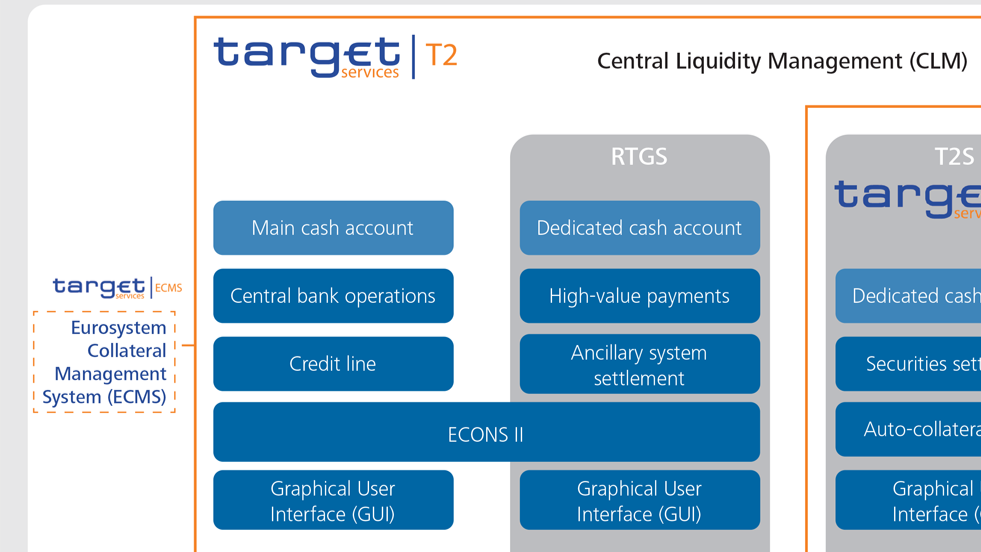
In addition, the system supports credit claims, including individual mobilisation under the General Framework and the Temporary Framework. It can record externally managed collateral when credit claims remain outside its scope. It also interacts with CLM inside T2. For example, it can capture cash from a counterparty’s Main Cash Account in CLM for use as collateral. It sends payment instructions to debit or credit the CLM account. Furthermore, users connect via ESMIG in A2A and U2A mode, with ISO 20022 messaging for A2A and role-based access rights for business functions. Consequently, I can treat this service as a strong reference case for stable, rule-driven requirements, clear interfaces, and auditable controls in critical financial infrastructures.
« Back to Glossary Index