Control flow

« Back to Glossary Index

Control flow defines the order in which a system or process executes activities and events.

It shows sequences, decisions, loops, and parallel paths. Therefore, it explains when one action starts and which action follows.

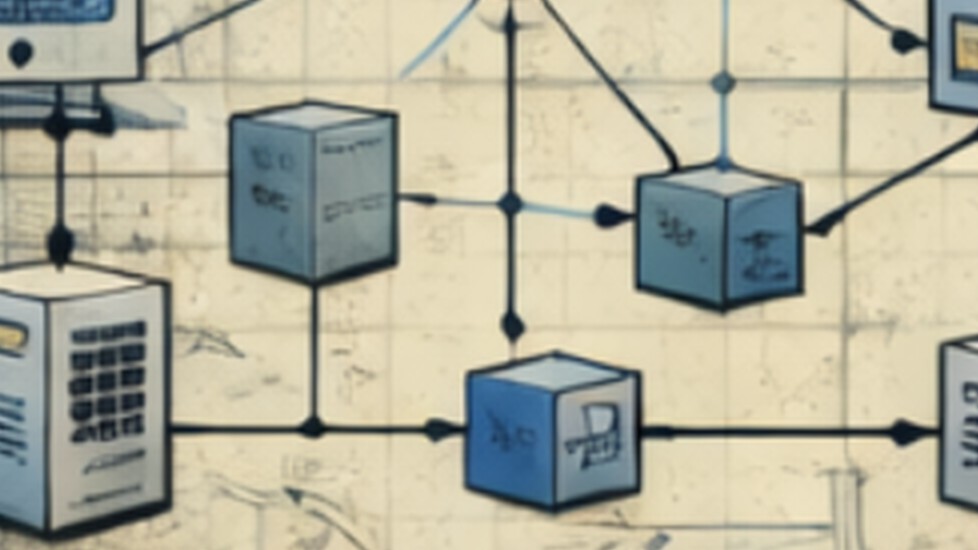
Teams often model this logic with BPMN diagrams, UML activity diagrams, or flowcharts. For example, tasks represent actions. Gateways represent decisions or parallel paths. Meanwhile, arrows connect the elements in their execution order.

The Control Flow concept differs from data flow. It focuses on processing order and timing. In contrast, data flow focuses on the movement of information between processes, actors, and systems.

Clear models reveal missing steps, incorrect branches, and synchronization problems. Moreover, they support process validation and test design.

A clear execution sequence improves process understanding, communication, implementation, and verification.

« Back to Glossary Index

Scroll to Top
WordPress Cookie Plugin by Real Cookie Banner