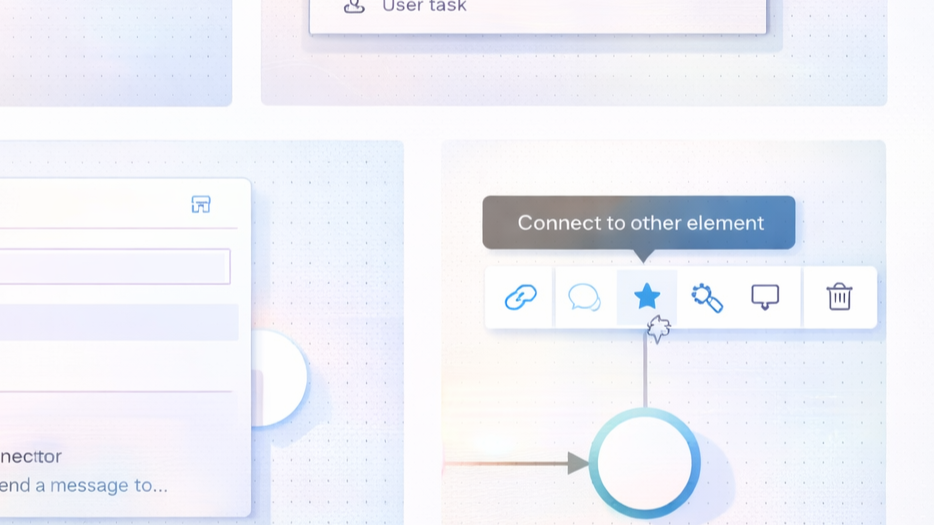
A behavior model describes how a system, component, or process acts and reacts over time.
It shows actions, states, events, decisions, and interactions. Therefore, it helps stakeholders understand dynamic requirements and system responses.
Different diagram types support different purposes. For example, activity diagrams show workflows. State machine diagrams show changes between states. Meanwhile, sequence diagrams show messages and interactions between participants.
Teams can use a behavior model to document an existing system or specify a future system. Moreover, they can review or simulate the model to find missing paths, invalid states, and unclear responses.
In contrast, a structure model describes static elements and their relationships.
Clear behavioral models support requirements analysis, communication, implementation, and testing.
« Back to Glossary Index